How to Identify Hidden Storm or Hail Damage on Your Roof
Uncovering hidden storm or hail damage on your roof can be tricky, but knowing what to look for is key. From loose shingles to subtle leaks, potential issues might be lurking unnoticed.
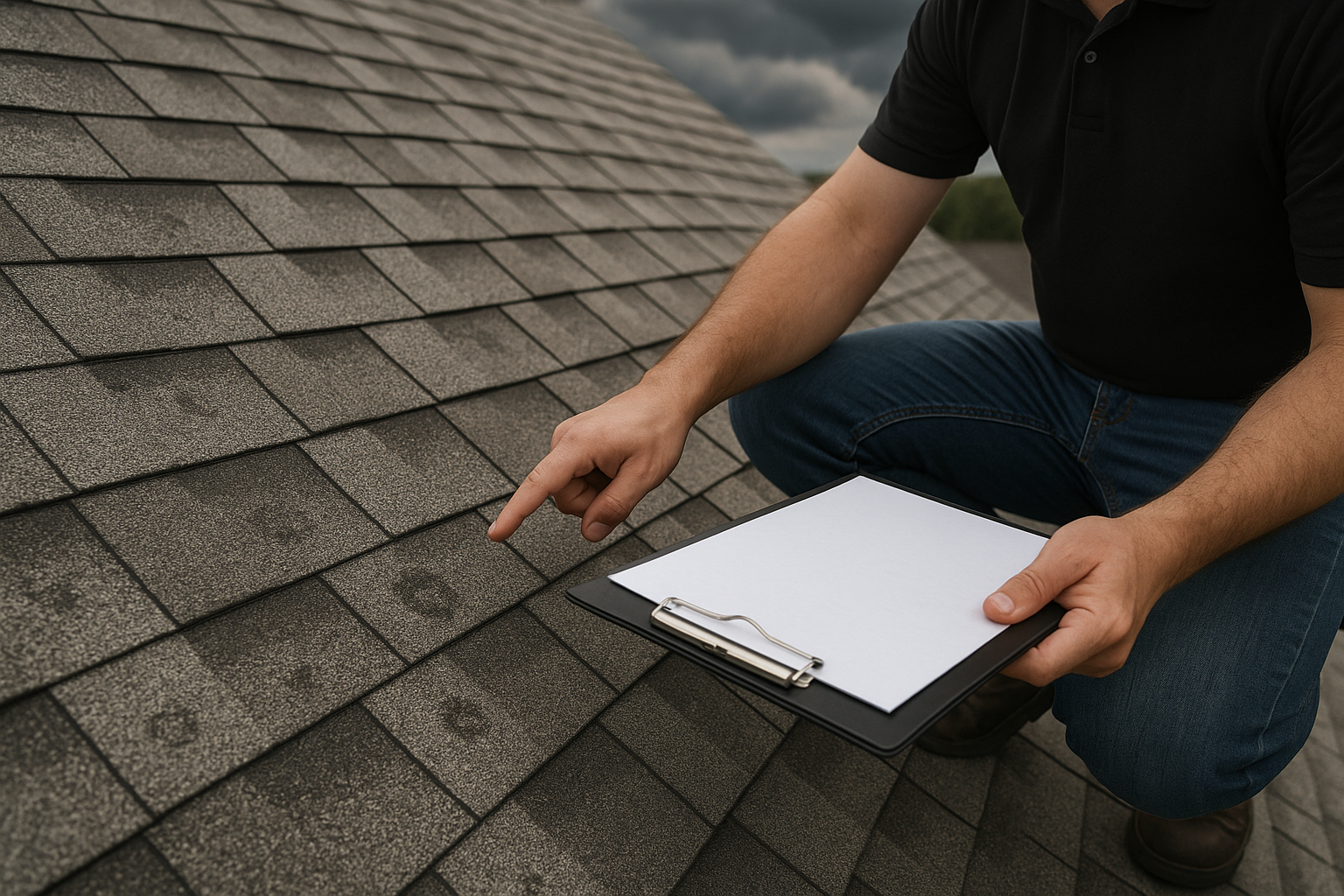
Identifying Hidden Roof Damage from Storms or Hail
When storms roll through your area, it's not always easy to spot the damage they've left behind. While some signs of roof damage, such as missing shingles or leaks, are obvious, others can be hidden and require a keen eye to detect. Identifying these hidden issues early can save you time, stress, and money in the long run. Here's what you need to know about spotting storm and hail damage on your roof.
Common Signs of Roof Damage
After a storm or hail event, it's essential to inspect your roof for damage. Some signs are evident, while others might require a bit more investigation:
- Missing or Displaced Shingles: Shingles that are missing or have moved from their original position need immediate attention to prevent water intrusion.
- Cracked or Bruised Shingles: Hail can leave behind bruises or cracks not immediately visible. Check for soft spots on the shingle surface.
- Granule Loss on Shingles: After a storm, you might find granules from your shingles in gutters or downspouts. These granules protect your roof; losing too many can expose it to further damage.
- Water Spots on Ceilings: If you notice water spots inside your home after a storm, it might indicate a leak that wasn’t visible from the outside.
Understanding Hidden Roof Damage
Why is storm damage often hidden? Roofs are designed to last, but severe weather can sneak in subtle vulnerabilities that aren't visible to the untrained eye. Hail, in particular, can cause impact dents or even microscopic fractures, weakening the material and leading to future problems.
Another form of hidden damage is mold and structural deterioration. A small, unnoticed leak can gradually lead to mold growth under the roof materials or in the attic, posing health risks and weakening your home's structure.
Steps to Properly Inspect Your Roof
Conducting a thorough roof inspection post-storm involves several steps. It's crucial to ensure these are performed safely and, where possible, by professionals.
- Visual Inspection from the Ground: Start by walking around your home to observe any visible damage. Use binoculars to see the harder-to-reach areas.
- Check for Debris: Look for debris on the roof or in gutters, which might indicate damaged areas.
- Inside Attic Check: Inspect the attic for signs of leaks or moisture, including patches of dampness or water stains on the wood.
- Professional Inspection: Having a professional roofer inspect your roof post-storm is the best way to catch hidden damage. They can provide a more detailed assessment with specialized tools.
Professional Roof Inspection Benefits
A professional inspection ensures no stone is left unturned. Professionals use advanced techniques like thermal imaging to detect moisture and can traverse roofs safely to check each shingle for integrity. According to National Roofing Contractors Association, regular inspections can extend the life of a roof by up to 5 years, preventing major repair costs.
Insurance Considerations for Storm Damage
Understanding your insurance policy is crucial. Most policies cover storm or hail damage, but the claim process can be tricky. Take pictures, document damages meticulously, and keep all repair invoices.
Having a professional roofer can help during inspections, as they might work alongside you and your insurance company to ensure an accurate assessment and classification of damages. For more insights, visit Insurance Journal for the latest guidelines on roofing claims.
Case Studies: Real-World Examples
To understand the significance of identifying hidden roof damage, consider the example of John, a homeowner in Texas. After a severe hailstorm, he didn't notice any damage initially. A year later, he discovered severe water damage that had developed from a hairline crack not addressed earlier. By then, repairing the damage cost triple what a post-storm intervention might have.
Conclusion
Being proactive about your roof's health after a storm can prevent costly repairs down the line. Regular inspections, immediate attention to any damaged areas, and understanding of your insurance coverages are vital steps in maintaining your roof's longevity and your home's safety.