How to Identify the Tell-Tale Signs Your Roof Needs Replacing
Wondering if your roof needs a replacement? Look for key signs like missing shingles, persistent leaks, or aging materials. While these indicators suggest potential issues, a professional assessment is crucial to determine if a replacement is necessary.
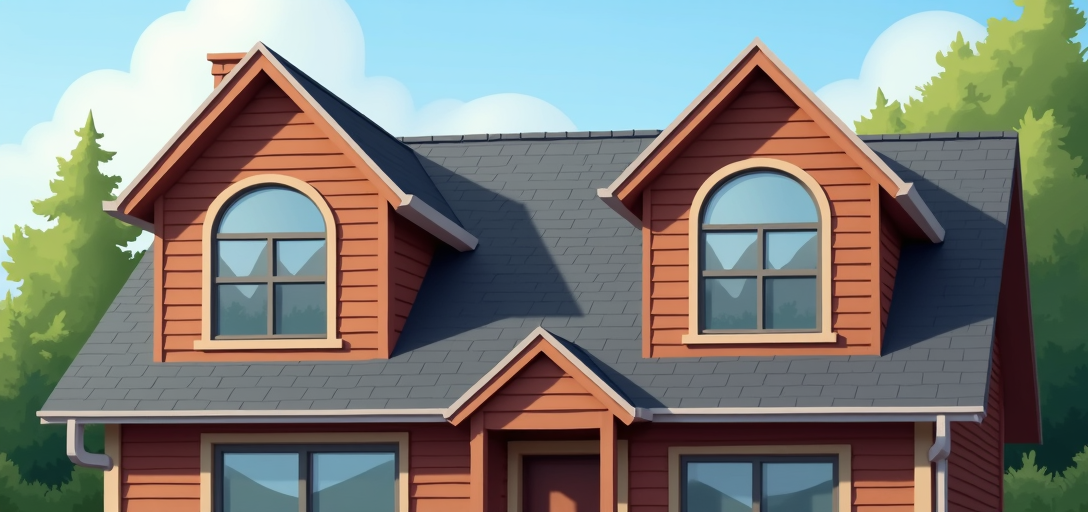
Signs That Your Roof May Need Replacement
The roof over your head plays a vital role in protecting your home and family from the elements. However, it's not always easy to know when it needs replacement. Understanding the signs of roof damage and knowing when to take action can save you both money and hassle. Here, we'll explore some of the key indicators that your roof may be due for a replacement. By staying informed, you can take the necessary steps to maintain a safe and secure home environment.
Age of Your Roof
One of the most straightforward indicators that your roof may need replacing is its age. Most roofing systems have a typical lifespan:
- Asphalt shingles: 15-30 years
- Wood shingles: 20-25 years
- Metal roofs: 40-70 years
- Slate roofs: 50+ years
If your roof is approaching or has exceeded the expected lifespan for its material, it may be time to start considering replacement options. Advances in roofing technology mean newer systems are often more durable and energy-efficient, potentially saving you money in the long run.
Visible Damage or Wear
Physical damage to your roof can manifest in several ways. Regular inspections can help identify issues such as:
- Missing or broken shingles: These can expose your home to water infiltration, increasing the risk of leaks.
- Curling or buckling shingles: This may indicate that the shingles have reached the end of their lifespan.
- Granule loss: If you notice granules in your gutters, it may suggest that your asphalt shingles are deteriorating.
Beyond individual shingles, the roof as a whole may exhibit sagging, particularly in older homes. This structural issue is a major red flag that warrants immediate attention, as it could signify severe underlying problems.
Leaks and Water Damage
One of the clear signs that your roof is compromised is water entering your home. Leaks can occur after heavy rain or snow and typically show up as water stains on ceilings or walls. However, leaks are not always immediately visible, and over time, they can lead to more significant issues such as mold growth or structural damage.
- Interior water damage: Check your attic and upper floors for any signs of water penetration.
- Mold and mildew: The presence of these can indicate ongoing moisture problems and potential roof failure.
Engaging a professional roofer to conduct a thorough inspection can help determine the extent of the issue and whether a full replacement is necessary.
Energy Efficiency Concerns
Your roof is a key component in your home's thermal regulation. If you notice your energy bills rising without a clear explanation, your roof might be to blame. Poor insulation or ventilation can lead to heat loss in the winter and excessive heat gain in the summer.
Replacing your roof can significantly improve energy efficiency by incorporating modern roofing materials designed to reflect solar radiation and improve airflow within the attic. This not only enhances comfort but also reduces energy costs.
Weather Impact
Given the increasing frequency of extreme weather events across many parts of the US, the resilience of your roof is more crucial than ever. Hurricanes, hailstorms, and heavy snow can all take their toll on your roofing system. Regular damage assessments following significant weather events can help catch problems early on.
Contemporary roof systems often come with features designed to withstand such conditions better, but frequent exposure to harsh weather can accelerate the need for replacement, even in newer installations.
Industry Insight and Recommendations
According to the National Roofing Contractors Association (NRCA), regular inspections and maintenance are crucial in preserving the health of your roof. They recommend semi-annual inspections directly after the heaviest seasons (spring and fall) to check for damage and perform any necessary repairs.
Staying current with roofing trends and technology can also benefit homeowners significantly. The 2026 Roofing Industry Report highlights an increasing move towards sustainable roofing with options like solar shingles and green roofs rising in popularity due to their dual functionality of protection and energy generation (NRCA, U.S. Department of Energy).
The Decision to Replace
Replacing a roof is a significant investment that requires careful consideration. Weighing the cost against the potential benefits in terms of energy savings, home value, and peace of mind is essential. Engaging with a reliable roofing contractor can provide valuable guidance tailored to your specific situation and needs.
Ultimately, keeping abreast of the health of your roof and recognizing the signs of needing replacement can help protect one of your most substantial life investments—your home.