How to Navigate Government Grants for Walk-In Showers: A Comprehensive Guide
Discover how you may qualify for government grants for walkin showers. These grants could assist eligible individuals in making essential home modifications. While qualifying depends on specific criteria, understanding available resources might help you or loved ones improve bathroom accessibility.
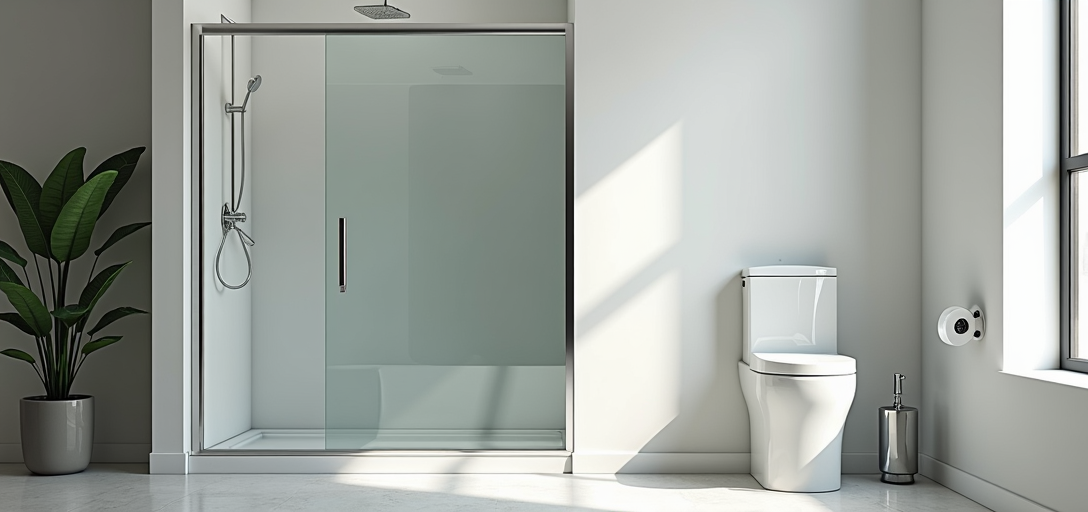
Understanding Government Grants for Walk-In Showers
For many individuals in the United States, maintaining independence and safety in the home is a top priority. As we age or manage disabilities, accessible home modifications become essential. Walk-in showers offer a safer, more comfortable bathing option that reduces the risk of falls and accommodates mobility challenges. Fortunately, numerous government grants and programs can help offset the costs of these installations.
What Are Government Grants for Walk-In Showers?
Government grants for walk-in showers are financial assistance programs provided by federal, state, or local governments to help eligible individuals make home modifications. These grants aim to improve accessibility and ensure safe living conditions for seniors and people with disabilities.
Types of Grants Available
There are several types of grants available, each with its own eligibility criteria and application process. Here’s a look at some of the most prominent ones.
Federal Government Programs
- Medicaid’s Home and Community-Based Services (HCBS) Waivers: These waivers help states provide services that allow eligible individuals to remain in their homes. Waivers may cover the cost of installing walk-in showers.
- The Home Improvements and Structural Alterations (HISA) Grant: Available to veterans, this grant covers medically necessary home improvements, including bathroom modifications like walk-in showers.
State and Local Programs
Each state may offer additional programs tailored to the needs of their residents. It's essential to check with state and local housing authorities:
- State Assistive Technology Projects: These projects often provide funding for home modifications, including walk-in showers, for those in need.
- Local Community Development Block Grants (CDBG): Managed by local governments, these grants often fund home modification projects through organizations serving low to moderate-income families.
Eligibility Requirements
Eligibility for government grants primarily depends on income, age, disability status, and veteran status. Here are some typical criteria:
- Low to moderate income levels based on federal or state guidelines.
- Individuals aged 65 or older or those living with disabilities.
- U.S. veterans or service members in need of home modifications due to injuries or disabilities.
It is important to verify specific grant guidelines, as they can vary by program and location. Check official sources such as Medicaid's website or the U.S. Department of Veterans Affairs for the most current information.
Application Process
Applying for a government grant involves several steps. Here's how you can get started:
Step One: Research
Identify which grants you qualify for by researching both federal and state programs. Reach out to local non-profit organizations that specialize in home modifications, and utilize resources provided by the AARP for guidance.
Step Two: Gather Documentation
Prepare necessary documents such as proof of income, medical records, and identification. Veterans should also prepare military service records where applicable.
Step Three: Apply
Submit your application through the appropriate channels. Frequently check your mail or email for any correspondence from grant administrators. Be prepared for a home assessment to determine specific needs and costs.
Why Opt for a Walk-In Shower?
Walk-in showers provide numerous benefits, especially for seniors and those with mobility issues:
- Safety: A lower barrier to entry minimizes the risk of tripping, making it safer than stepping into a traditional bathtub.
- Accessibility: Shower seats, detachable shower heads, and handrails enhance usability and independence.
- Modern Design: Walk-in showers are not only functional but can be aesthetically pleasing, increasing your home's value.
Real-World Impact
According to a 2026 report by the National Council on Aging, falls account for 50% of all accidental deaths in the home among seniors. By installing walk-in showers, households have reported increased safety and independence, as evidenced by stories from grant beneficiaries who emphasize the peace of mind it brings to both users and their families.
Next Steps
If you or a loved one could benefit from a walk-in shower, explore the available grants in your area. Ensure you meet the eligibility criteria and have all required documentation ready before applying. Connect with local housing authorities or veteran service organizations for personalized assistance.