How to Remodel a Mobile Home Bathroom Without Breaking the Bank
Considering a Mobile Home Bathroom Remodel On A Budget? Learn smart strategies to transform your space without breaking the bank. Our guide offers creative tips for maximizing style and function, ensuring your remodel remains financially manageable.
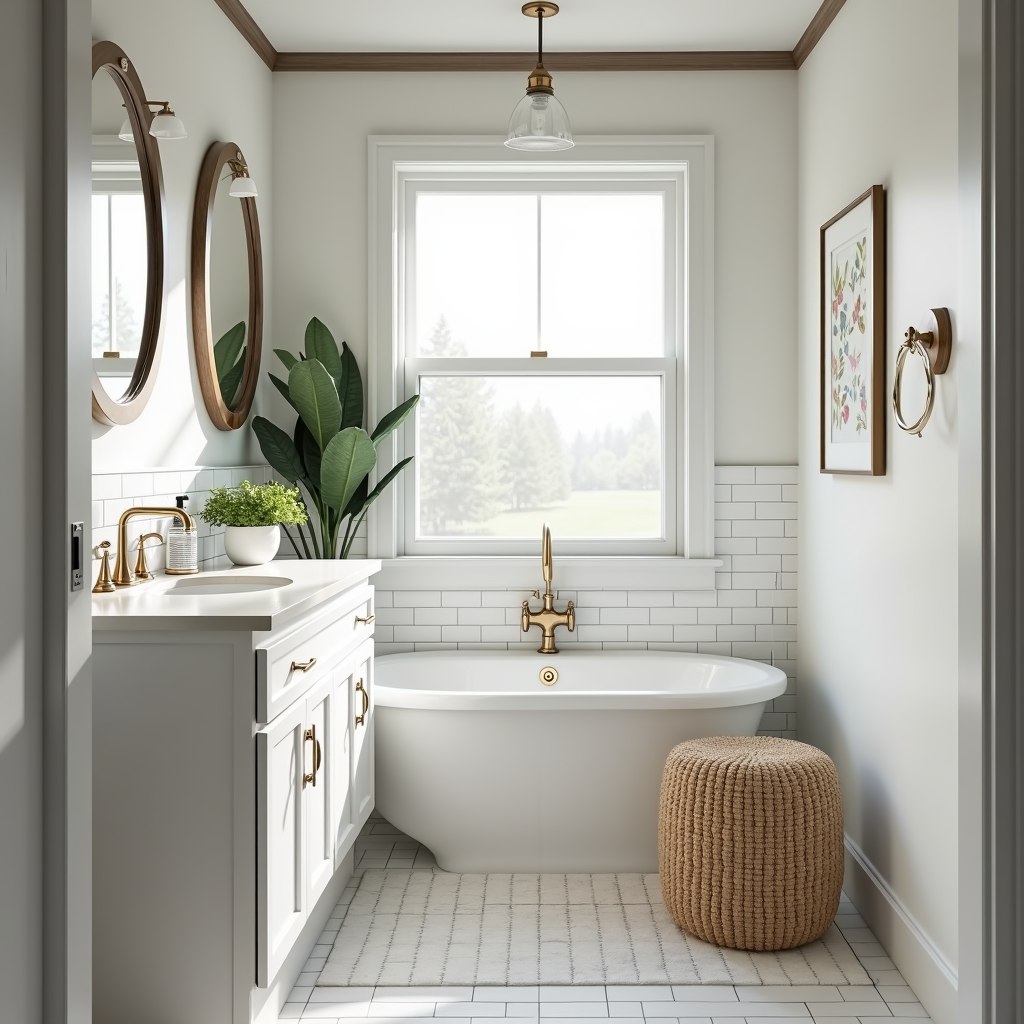
Transforming a bathroom in a mobile home often feels like a mission impossible—a combination of structural limitations, space constraints, and a seemingly insurmountable budget. You see the pictures of luxury master baths and think, "That's out of reach." But the reality is that a stunning, functional, and custom-feeling remodel for a mobile home is absolutely achievable, even when your wallet suggests otherwise. The key isn't just cutting costs; it's strategic, smart design.
Understanding the Mobile Home Bathroom Challenge
Before picking out a single tile or fixture, it’s crucial to understand what makes remodeling a mobile home bathroom different from working on a stick-built house. Mobile homes are designed and constructed differently, meaning we must address specific structural and utility concerns first. These foundational considerations determine what is feasible, saving you from expensive mistakes.
Structural and Utility Limitations: The Must-Knows
The greatest difference lies in the wall and plumbing structure. Traditional homes have robust framing, but mobile homes often have thinner, prefabricated wall systems. This impacts how plumbing lines are run and what kind of weight the walls can bear.
- Water Lines and Drainage: Any plumbing modification requires extreme caution. Since the home is prefabricated, running new drain lines can be highly disruptive and may require professional plumbing consultation early on.
- Vapor Barrier and Moisture Control: Mobile homes can be more susceptible to moisture issues. When remodeling, ensure the underlying waterproofing and vapor barriers meet modern energy codes. This is non-negotiable for longevity.
- Insulation and Climate Control: Since energy efficiency is a major concern in 2026, incorporating modern insulation techniques (like spray foam in difficult-to-access areas) during the remodel can significantly increase comfort and reduce long-term utility costs.
Defining "On a Budget": Setting Realistic Expectations
When people say "on a budget," they usually mean "maximize aesthetic impact while minimizing spend." A budget remodel doesn't mean corner-cutting on quality; it means focusing your spending on high-impact areas and utilizing smart substitutions.
Budget Hierarchy of Spending:
- Tier 1 (High Impact, Medium Cost): Fixtures (vanity, toilet, tub/shower combo). These define the look and feel.
- Tier 2 (Visual Impact, Low Cost): Surfaces (tile, paint, hardware). These provide the *wow* factor.
- Tier 3 (High Effort, Moderate Cost): Plumbing and Electrical Rewires. These should always be handled by licensed professionals for safety and code compliance.
By prioritizing upgrades in Tier 1 and Tier 2, you get the luxurious look without the luxury price tag. According to a 2025 industry analysis of residential remodeling trends, the biggest value gains in small spaces come from fixture updates and surface finishes, not solely structural changes [Source: Residential Design Magazine, 2025].
High-Impact, Low-Cost Renovation Strategies
The secret sauce of a budget remodel is maximizing visual change with minimal physical upheaval. This means focusing heavily on materials and fixtures that can radically alter the perception of the space.
Tiling and Surface Updates: The Transformation Engine
Tile is the single most powerful tool in a budget bathroom remodel. It instantly updates a space, hides older materials, and creates a sense of luxury. The key is choosing materials that offer the look of expensive custom finishes but are affordable and durable.
Choosing the Right Tile
- Porcelain vs. Ceramic: For wet areas like showers, porcelain is almost always superior to ceramic. Porcelain is denser, less porous, and much harder, meaning it resists moisture absorption and daily wear better—a crucial factor in mobile home environments.
- Large Format Tiles: Counter-intuitively, using large format tiles (e.g., 12x24 inches) can make a small bathroom feel much bigger. Fewer grout lines mean less visual clutter, creating a seamless, custom look.
- Subway Tile Hacks: Subway tile remains a classic, but don't just stick to basic white. Consider stacking patterns, incorporating colored grout (like dark gray on white tile) to define the lines and add depth, or using it in conjunction with natural stone-look accents.
Pro-Tip on Grout: Don't underestimate grout! Choosing a contrasting or colored grout can be the most impactful, lowest-cost design decision you make. It adds character and depth where painting cannot.
Fixtures and Vanity Upgrades: Making it Feel New
The sink, toilet, and shower fixture are the heart of the remodel. If these look dated, the entire room will feel outdated, no matter how beautiful the tile is. Fortunately, cosmetic upgrades are often much cheaper than full replacements.
- Vanity Refresh: Instead of buying an entirely new vanity, consider painting the existing cabinet (if the wood is solid) or upgrading the vanity top and faucet. Modern, minimalist faucets (like single-handle matte black or brushed gold) can instantly modernize a space.
- Storage Solutions: In small spaces, storage is paramount. Opt for floating vanities, which give the illusion of more floor space, and use recessed medicine cabinets.
- Shower Doors: A partially enclosed, stylish shower screen or door can look custom and block excessive moisture, yet it costs significantly less than a full custom enclosure.
Lighting, Ventilation, and Finish Hardware: The Finishing Touches
These smaller elements are critical because they control the mood, function, and perceived quality of the final space. They are the areas where a few smart purchases can yield exponential visual returns.
The Crucial Role of Strategic Lighting
Good lighting makes everything look better, and poor lighting makes even the prettiest tile look dingy. Focus on layers of light:
- Ambient Light: Overhead fixture (use warm-toned LED bulbs, 2700K–3000K).
- Task Light: Lighting at the vanity mirror (choose sconces or strip lighting that illuminate the face evenly).
- Accent Light: Small spotlights or LED strip lights under the vanity or niche shelves. This adds depth and sophistication.
Modern LED lighting systems are incredibly energy efficient and have become more affordable, making this an ideal budget upgrade. By 2026, smart lighting systems that can adjust color temperature based on time of day will become standard, improving both function and ambiance.
Hardware and Plumbing Finish Consistency
This is a high-return, low-cost hack. Identify one cohesive finish for all visible hardware: faucet, towel bars, cabinet handles, shower trim. Do you want matte black? Brushed nickel? Polished chrome? Choose it and stick with it.
Consistency signals professionalism and high quality. When all the metals speak the same design language, the entire remodel looks deliberate, expensive, and custom-built.
Layout Planning: Maximizing Functionality in Small Spaces
When space is tight, the layout must be optimized for function first, then aesthetics. Every inch counts.
The Power of Vertical Design
Don't just look horizontally. Use vertical space by installing recessed niches into the shower walls (instead of bulky, separate shelving) and using tall, slender towel stacks. Floating elements (floating vanities, floating shelves) keep the floor visible, making the room appear larger and less cluttered.
Ventilation: A Health and Preservation Priority
This is arguably the most important functional element. A high-quality exhaust fan, paired with a good filter and proper venting system, is mandatory. Poor ventilation leads to mold, mildew, and persistent moisture issues that can quickly degrade the appearance of even the most expensive tile. Investing in a strong, quiet fan is key to protecting your investment.
Summary: Your Action Plan for a Budget-Friendly Dream Bath
A truly beautiful and functional remodel on a budget is less about finding the cheapest product and more about being a strategic designer. Follow these steps:
- Audit First: Understand your mobile home's structural limits and required utilities.
- Select Your Palette: Choose a cohesive hardware finish (e.g., matte black) and a primary tile material. This decision anchors the entire design.
- Prioritize the Show:** Spend your largest proportion of the budget on the vanity, shower fixtures, and tiling, as these make the biggest visual difference.
- Maximize Light: Use layered, warm-toned LED lighting to enhance the room's atmosphere.
By focusing on these strategic, high-impact areas, you can transform a modest mobile home bathroom into a sleek, modern, and functional sanctuary without compromising your budget or sacrificing style. It's about smart design decisions, not deep pockets.
***
Sources & Further Reading:
- National Association of Gas Appliance and Plumbing Contractors (AGAPC). (2024). *Guidelines for Prefabricated Housing Plumbing Modifications.* (Consult local code officials for specific compliance data.)
- American Ceramic Society. (2025). *Porcelain vs. Ceramic Tile Durability in Wet Environments.* (Excellent resource for material science comparisons.)
- Design Today Magazine. (2026). *Small Bathroom Design Trends: Verticality and Low-Cost Luxury.* (Trend analysis for space efficiency.)