How to Start Your Uber Driving Journey Without Owning a Car
Discover how to start driving for Uber if you don’t have a car, including creative solutions and tips to get on the road. Whether through rental programs or partnering with vehicle owners, we'll explore feasible paths to becoming an Uber driver.
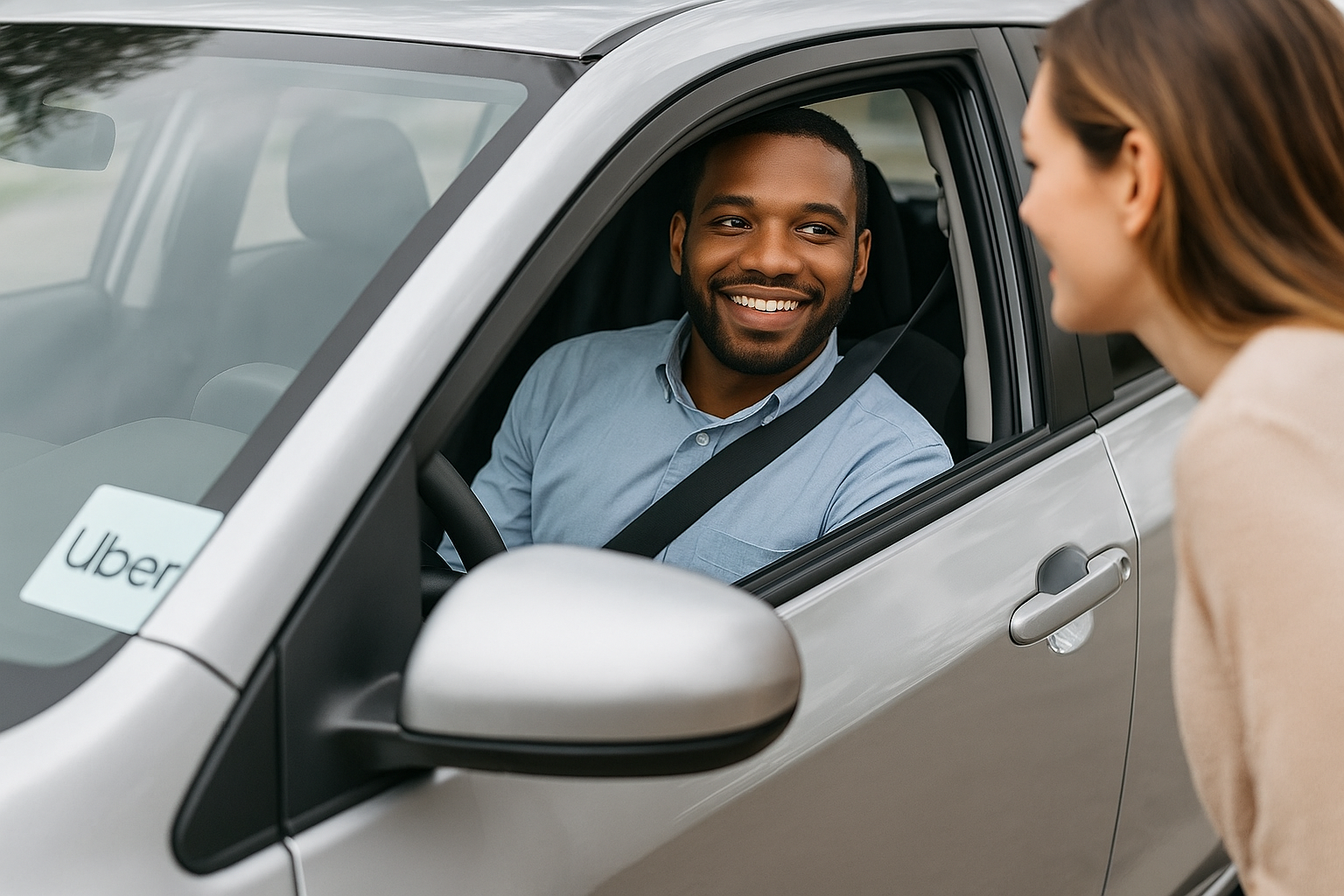
How to Start Driving for Uber If You Don’t Have a Car
If you've been considering becoming an Uber driver but lack a vehicle, you're not alone. Many people find themselves in similar positions, seeking ways to tap into the gig economy without owning a car. Fortunately, there are viable options to get started driving for Uber even if you don't own a vehicle. Here's how you can begin to earn money through one of the most popular ride-sharing apps in the world without the upfront investment of purchasing a car.
Exploring Your Options
Driving for Uber requires access to a qualifying vehicle, but owning it isn't mandatory. Here are the main pathways to consider:
- Renting a Car: Uber partners with several car rental companies to offer flexible leasing options tailored for prospective drivers. These programs typically do not require long-term commitments and include insurance and maintenance.
- Leasing a Car: Uber also provides lease-to-own options which allow drivers to eventually own the vehicle they use, though this is a lengthier process.
- Car Rental Platforms: Platforms like HyreCar or Fair offer rental cars specifically for rideshare and delivery drivers, often with more flexibility than traditional rentals.
Renting a Car Through Uber
Uber has partnered with several companies to simplify the rental process for prospective drivers. Here’s a more detailed look at how renting a car through Uber works.
- Uber's Vehicle Solutions Program: This program provides access to rental vehicles through partners like Hertz and Avis. These plans often include unlimited mileage, routine maintenance, and auto insurance, making them suitable for part-time or full-time drivers.
- Flexibility: Rentals can usually be arranged on a weekly or monthly basis, providing the flexibility to stop or pause as your schedule demands.
- Costs: Rental rates vary by location but generally start at around $200 per week. However, take into account the income potential against these expenses and your driving frequency.
Leasing Through Uber
Leasing is another avenue for those serious about driving with Uber in the long term. Here's what you should know:
- Lease-to-Own Options: Some leasing programs are available where drivers can work towards owning the car they drive. While requiring longer commitments, they offer a path to vehicle ownership.
- Credit Impact: Traditional leasing often requires a credit check, but Uber's partnerships typically offer leases with lenient credit requirements.
- Payment Structures: Payments are generally deducted automatically from drivers’ weekly earnings, simplifying financial management.
Independent Car Rental Platforms
In addition to Uber’s official partnerships, there are independent rental platforms catering to rideshare drivers.
- HyreCar: A marketplace that connects car owners with prospective drivers. It allows you to rent vehicles on a short-term or long-term basis, offering great flexibility for those testing the waters as drivers.
- Fair: This platform offers no long-term commitments, flat payments, and includes insurance. Ideal for those looking to transition into ridesharing slowly.
- Flexibility and Variety: These platforms offer a wide range of vehicles in terms of size, make, and model, enabling you to choose one that best suits your needs and budget.
Comparing Costs and Benefits
Before committing to a rental or lease, it's important to gauge the financial implications. Consider:
- Weekly Costs: Assess whether the expected working hours align with rental costs. Online platforms and Uber estimate tools can help predict weekly earnings.
- Insurance and Maintenance: Rentals and leases usually cover basic insurance and maintenance; nonetheless, verify what's included and any potential deductibles.
- Long-term Commitments: While rentals offer short-term solutions, leases might be beneficial if aiming for vehicle ownership down the line.
Tips for Maximizing Your Earnings
Here's how to make the most of your time driving with Uber:
- Peak Hours: Drive during peak hours and surge pricing areas for higher earnings.
- Learn the Market: Understanding your city's dynamics can help you position yourself strategically to get more rides.
- Customer Service: Maintaining high ratings can boost your appeal to riders and improve potential for tips.
Conclusion
Starting a new venture as an Uber driver without a car is certainly manageable with the right information and resources. Whether you choose to rent, lease, or utilize platforms like HyreCar, weigh the options and factor in your lifestyle and income goals before making a decision. Remember, the ride-sharing industry is dynamic, and keeping up-to-date with the latest trends can maximize your earnings. With the flexibility these options provide, you can start earning while enjoying the benefits of driving on your terms.
For more information, check out resources like Uber's Vehicle Solutions Program, recent insights from the HyreCar Review on Rideshare Central, and Fair.com to explore opportunities available in 2026.
References
https://www.uber.com/us/en/drive/insurance/
https://www.uber.com/us/en/drive/
https://help.uber.com/
https://support.uber.com/