How to Trade In Your Damaged Vehicle: What You Need to Know
Considering a car tradein but worried about your damaged vehicle? Discover if you are eligible for a tradein even with that dented bumper or scratched paint. While each appraisal is unique, this guide helps you understand potential options and improve your chances.
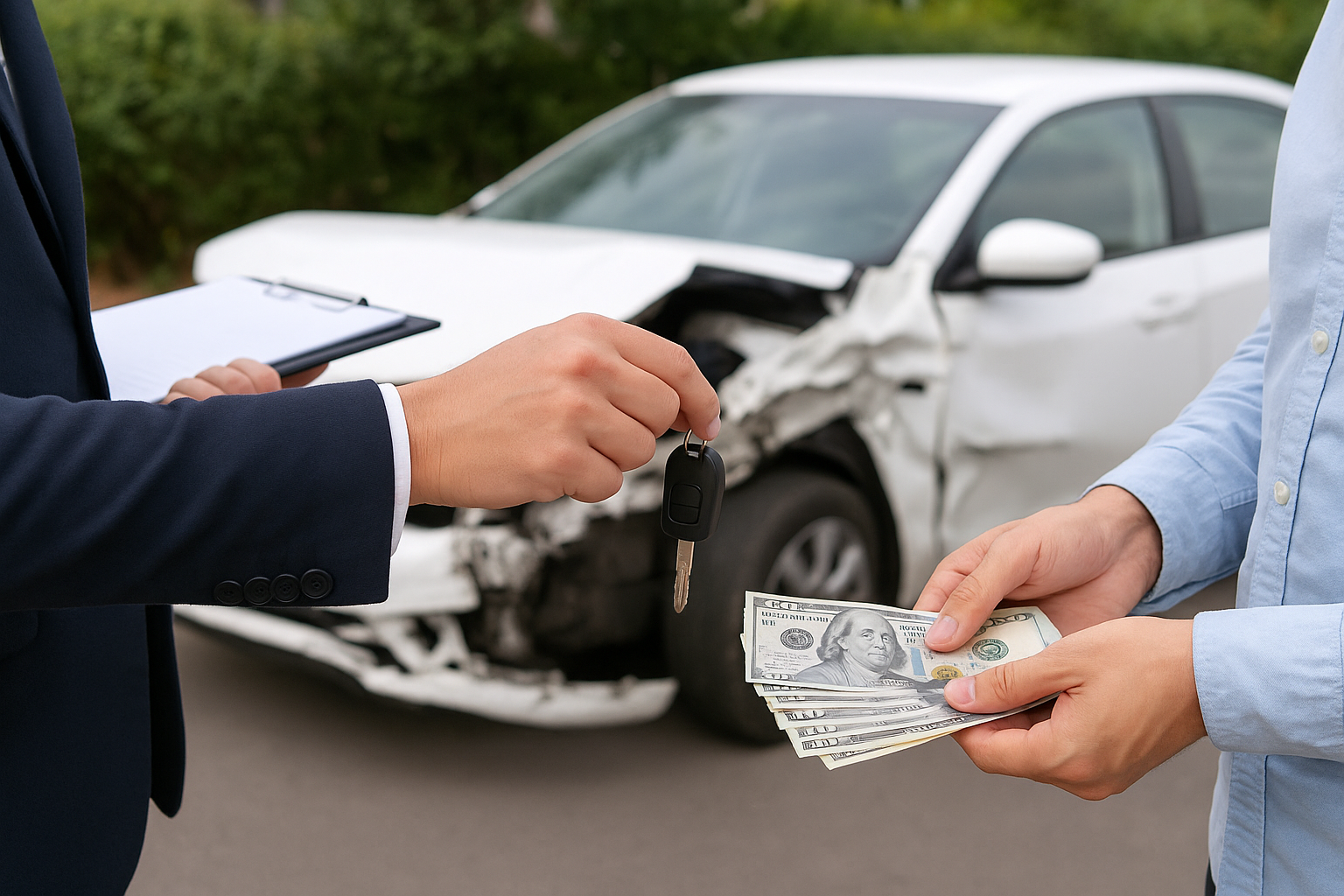
Understanding Car Trade-In with a Damaged Vehicle
Car trade-in opportunities are a great way for vehicle owners to upgrade their cars without the hassle of a private sale. But what happens when your car is damaged? Are you still eligible for a trade-in? Let’s dive into understanding the process of trading in a damaged vehicle and explore the factors to consider.
What Is a Car Trade-In?
A car trade-in involves selling your current vehicle to a dealership as part of the purchase of a new or used vehicle. The dealer assesses the value of your trade-in car and applies it toward your new vehicle purchase. It’s a convenient option for those looking to simplify the transaction process.
Are Damaged Vehicles Eligible for Trade-In?
Yes, damaged vehicles are typically eligible for trade-in, depending on the dealership's policy. Most dealerships accept cars in various conditions, understanding that not every car brought in will be in pristine condition. The key is how the damage affects the vehicle's overall value and functionality.
Factors Affecting Trade-In Value of a Damaged Vehicle
- Extent of Damage: Minor cosmetic damages may have little impact on value, whereas extensive mechanical issues might significantly reduce it.
- Repair Costs: If the cost to repair exceeds the car's value, expect a lower offer. Dealerships will consider the work required to refurbish the car for resale.
- Market Value: The make, model, age, and popularity of your vehicle play crucial roles in its valuation, damage notwithstanding.
- Demand: High-demand vehicles might still be valuable even when damaged, as repairs can be profitable for dealers once reconditioned and sold.
Research conducted by Kelley Blue Book in 2026 indicates that damaged vehicles depreciate more rapidly, losing about 10% more value per year compared to well-maintained counterparts. This underscores the importance of accurately assessing the condition of your vehicle and setting realistic expectations.
How to Prepare for a Trade-In with a Damaged Vehicle
Being prepared can help maximize your trade-in value, even with a damaged vehicle. Here's how:
- Documentation: Gather all service records, repair receipts, and the vehicle title. Clear records can assuage dealer concerns about hidden issues.
- Cleanliness: A clean vehicle interior and exterior can make a positive first impression, showcasing your car as cared for, despite any damage.
- Get Appraised: Obtain several trade-in appraisals from different dealers for comparison. This step helps you understand the car's market value and find the best deal.
- Weigh Repair Options: Consider if minor repairs might increase the trade-in value substantially without costing a fortune.
Benefits of Trading in a Damaged Car
Trading in a damaged vehicle can be highly beneficial. For one, it allows you to avoid the effort and time associated with private sales, where potential buyers might be deterred by visible damage or potential repairs. Furthermore, it streamlines the buying process as the trade-in value directly reduces the purchase price of a new vehicle.
Real-Life Example: What to Expect
Consider a 2018 Ford Escape with front bumper damage and some interior wear. Upon trade-in, the dealership examines repair costs, deducting these from the preferred market value of an undamaged model. In situations like this, dealerships often repair in-house and resell at a profit, while still offering a competitive trade-in value that reduces the customer's hassle.
Research and Statistics for 2026
Recent studies by the National Automobile Dealers Association (NADA) reveal that trade-ins account for nearly 45% of transactions in the new car market. This statistic is supported by evolving consumer attitudes favoring convenience and streamlined transitions over private sales negotiations.
According to a 2026 report by Edmunds, vehicles with minor damage might see deductions as low as 5% of trade-in value, whereas those with major damage could see reductions upwards of 20% or more, highlighting the importance of damage assessment.
For additional insights, resources like Kelley Blue Book and Edmunds can help estimate trade-in values and market trends.
Conclusion: Is Trading-In Worth It?
Ultimately, the decision to trade in a damaged vehicle depends on weighing the convenience and benefits against potential trade-in value losses. For those seeking a hassle-free experience and immediate credit toward another vehicle, trading in remains a viable option. With careful preparation and realistic expectations, you can navigate this process effectively and emerge satisfied with the transition.
https://www.progressive.com/answers/how-to-trade-in-car/
https://legalclarity.org/can-you-trade-a-car-in-with-damage-what-to-know/
https://www.investopedia.com/how-does-trading-in-a-car-work-5118389
https://www.carmax.com/faq/selling-a-car
https://legalclarity.org/can-you-trade-in-a-wrecked-car-steps-and-options/
https://www.wsj.com/buyside/personal-finance/auto-insurance/diminished-value-claim
https://www.reddit.com/r/carmax/comments/1kz54mo/
https://www.carmax.com/articles/how-to-sell-your-car-to-carmax