How Unplugging Everyday Devices Can Reduce Your Energy Consumption According to Electricians
Curious about reducing your energy costs? Electricians say unplugging often overlooked devices could help lower your electric bill. Explore how small changes, like powering down these energyhogging gadgets, might make a difference.
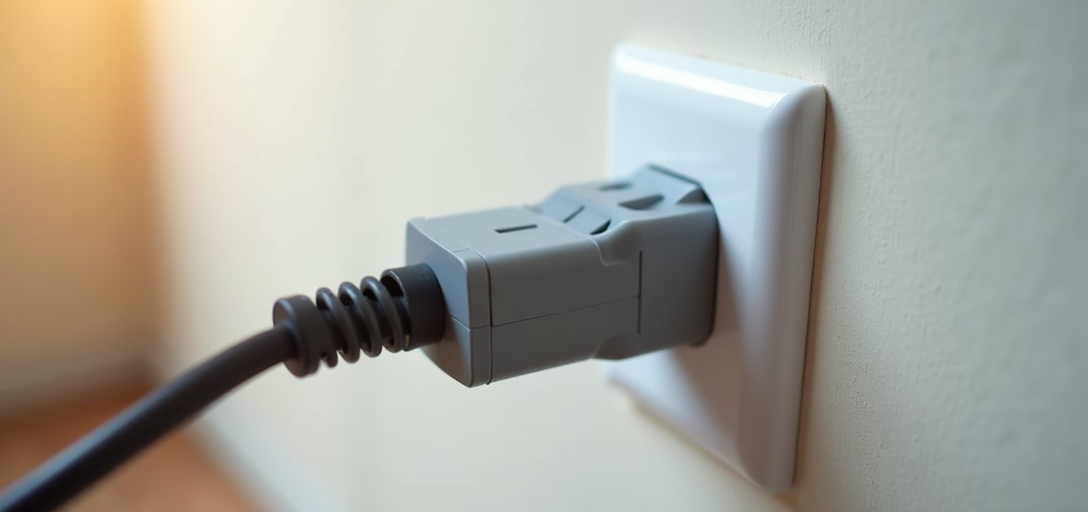
Why Unplugging Devices Helps Lower Your Electric Bill
If you're looking to save money on your electric bill, you may have seen advice suggesting that unplugging certain devices can make a difference. But why does this work? Many household devices continue to draw power even when turned off, a phenomenon known as "phantom load" or "vampire power." This means that chargers, televisions, computers, and other electronics can collectively add up to a substantial amount of energy consumption over time, impacting your overall electricity costs.
In fact, according to the U.S. Department of Energy, these phantom loads can account for about 10% of an average household's electricity use, which translates to around $100 per year for most American households. Reducing this waste not only helps your wallet, but also benefits the environment by decreasing overall energy demand.
Most Common Devices Contributing to Phantom Load
- Chargers and Power Adapters: These continue to use power even when they're not charging a device.
- Televisions: TVs in standby mode can still draw power, especially older models.
- Game Consoles: Often left on or in standby, these can use significant amounts of electricity.
- Computers and Laptop Power Bricks: Standby mode still consumes energy unless unplugged or fully shut down.
- Kitchens Appliances: Coffee makers, microwaves, and other small appliances often have clocks or lights that draw power.
Practical Strategies to Manage Phantom Load
Tackling phantom load doesn't have to be a daunting task. Here are some practical steps you can take:
Smart Power Strips and Timers
Investing in smart power strips can help manage these devices more efficiently. Smart strips can cut power to devices that are in standby mode, thus preventing unnecessary energy consumption. You can also use timers for devices that don't need to be on all the time, like holiday lights or garden fountains, ensuring they are only consuming energy when you use them.
Sustainable Habits
Adopting simple habits such as unplugging devices when they're not in use can prove beneficial. This habit can be simplified by organizing your electronics such that unplugging several at once is an easy task. For instance, using one power strip for all computer-related electronics allows you to turn everything off at the end of the day with a single switch.
Monitor Your Consumption
There are tools available that allow you to track and monitor energy use. Devices such as energy monitors can provide real-time data on the electricity being used by different appliances, helping you identify which are the most significant energy wasters.
Recent Developments and Research on Energy Efficiency
In the last few years, various studies and technological advancements have illuminated more ways to curb energy waste effectively. According to an Energy Information Administration report from 2026, there's been a growing adoption of energy-efficient appliances, which can significantly offset costs related to phantom loads.
Additionally, the shift towards Internet of Things (IoT) technology in households has made it easier to remotely control and conserve electricity. Smart thermostats, lights, and even smart fridges allow for more precise energy management, aiding households in cutting down unnecessary power usage.
Government Initiatives and Incentives
The U.S. government, along with several state initiatives, offers various incentives to promote energy efficiency in homes. For example, programs like ENERGY STAR offer rebates for replacing old appliances with new, energy-efficient models. Keeping abreast of these opportunities can help alleviate initial costs when upgrading your home electronics.
Real-Life Examples and Success Stories
Seeing how others have successfully reduced their power consumption can be very motivating. Consider the case of a family in California who leveraged smart home technology, unplugged unused devices, and used high-efficiency appliances to reduce their electric bill by 30% over one summer.
Moreover, the rise of community energy challenges where neighborhoods compete to reduce their energy usage has encouraged collective efforts to address power waste effectively. These community initiatives often result in educational workshops and more significant discounts from utility services on energy-efficient devices.
Conclusion: Taking Action Today
While unplugging devices may seem like a small step, it forms part of a broader strategy to manage household electricity use more effectively. By adopting smart strips, promoting sustainable habits, and staying informed about new technologies and incentives, you can take substantial steps towards reducing your electric bill.
Addressing these seemingly minor details may not only reflect on monthly savings but also align with wider societal efforts to combat energy waste and reduce environmental impact.
For further reading on how to enhance energy efficiency in everyday life, check out resources provided by the U.S. Department of Energy and the ENERGY STAR program.