How Your Driving Habits Could Influence Your Auto Insurance Rates
Ever wondered how your driving behavior might play a role in your insurance coverage? From smooth turns to abrupt stops, your habits on the road could influence your insurance rates and terms.
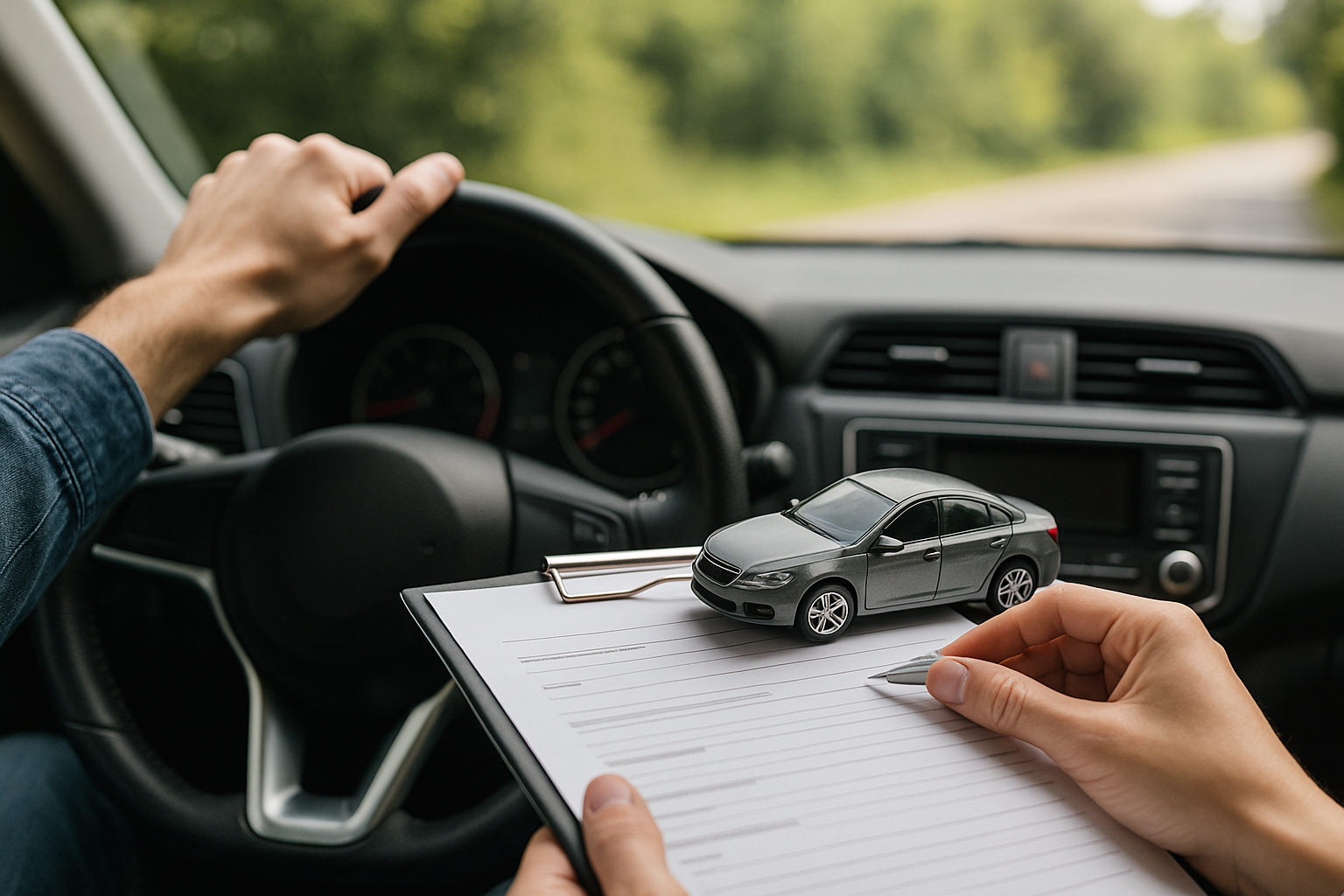
Understanding the Impact of Driving Behavior on Your Insurance Coverage
Insurance coverage is a vital component of financial planning for drivers, but many may not realize just how much their personal driving behavior can influence their insurance premiums. Insurers are constantly developing new ways to more precisely calculate the risk associated with insuring a particular driver, and driving behavior is playing an increasingly significant role in this process.
What is Driving Behavior and How is it Monitored?
Driving behavior encompasses a wide range of actions and habits exhibited by a driver, including speed, braking patterns, acceleration, and adherence to traffic signals. Advances in technology have made it possible for insurance companies to closely monitor these behaviors through devices known as telematics. These devices, which can be installed in your car or accessed through smartphone apps, provide insurers with detailed data about how you drive.
Telematics technology has become more widespread in recent years. According to a 2026 study by the Insurance Information Institute, nearly 40% of top insurers in the United States offer telematics-based discount programs. This technology allows insurers to not only assess risk more accurately but also reward safer drivers with lower premiums.
Key Driving Behaviors that Affect Insurance Costs
While there are many factors that influence auto insurance premiums, several key driving behaviors are known to have a direct impact:
- Speeding: Consistently driving over the speed limit can lead to higher premiums as it indicates a higher risk for accidents.
- Hard Braking: Frequent abrupt stops may suggest aggressive driving habits and increase your risk profile.
- Rapid Acceleration: Sudden accelerations are another indicator of risky driving, which can result in raised costs for coverage.
- Idle Time: Excessive idling can affect your car’s fuel efficiency and emissions footprint, indirectly impacting insurance evaluations.
Insurance providers use this data to calculate a more personalized premium that reflects your specific risk as a driver, making it crucial to adopt safer driving habits to potentially lower insurance costs.
How Driving Behavior is Used by Insurers
Insurers utilize driving behavior data primarily to assess risk and personalize insurance products. Here's how it typically works:
- Risk Assessment: By analyzing driving behaviors, insurers can identify patterns that correlate with higher risk, such as frequent speeding or hard stops.
- Premium Adjustments: Safe drivers who demonstrate good road habits may receive discounts, sometimes called “safe driving discounts”. Conversely, risky behaviors might result in higher premiums.
- Feedback and Improvement: Some telematics-based programs provide feedback to drivers, which can help encourage better driving habits over time and potentially lead to lower premiums.
Real-World Example: Telematics in Action
Consider the example of John, who recently enrolled in a telematics-based insurance program. Over the past year, John's insurer provided him with monthly reports highlighting his driving habits. These reports detailed instances of speeding, hard braking events, and periods of rapid acceleration.
By reviewing this data, John was able to take note of his risky behaviors and actively worked to improve them. At the end of the year, his efforts paid off in the form of a 15% discount on his insurance premium. This example illustrates the tangible benefits of being mindful of one's driving behaviors and adopting safer practices on the road.
The Future of Driving Behavior and Insurance
Looking ahead, the integration of driving behavior data into insurance assessments is expected to become even more sophisticated. With advancements in artificial intelligence and machine learning, insurers will have the tools to analyze data on a larger scale and with greater accuracy, potentially leading to even more personalized insurance models.
Furthermore, the push for autonomous vehicles may also influence how driving behavior impacts insurance coverage. As more semi-autonomous and fully autonomous vehicles hit the road, the focus may shift from individual driver behavior to the performance and safety records of different vehicle models.
Conclusion: Taking Control of Your Insurance Premium
Understanding how driving behavior affects insurance coverage empowers drivers to take proactive steps towards safer driving and cost-effective insurance policies. By leveraging telematics technology and developing conscientious driving habits, drivers can benefit from personalized premiums and contribute to safer roads for everyone.
For drivers interested in exploring telematics options, numerous resources and informational guides are available from insurance providers and industry experts like the Insurance Information Institute and NHTSA. Staying informed and engaged with these developments can pave the way to both safer driving and potentially significant savings.