Identifying Termite Damage: Key Signs to Watch For in Your Home
Worried about termites in your home? Discover key indicators of termite damage to protect your property. Signs of termite damage can be subtle, from discolored drywall to hollowsounding wood. Understand these telltale clues to safeguard against costly repairs.
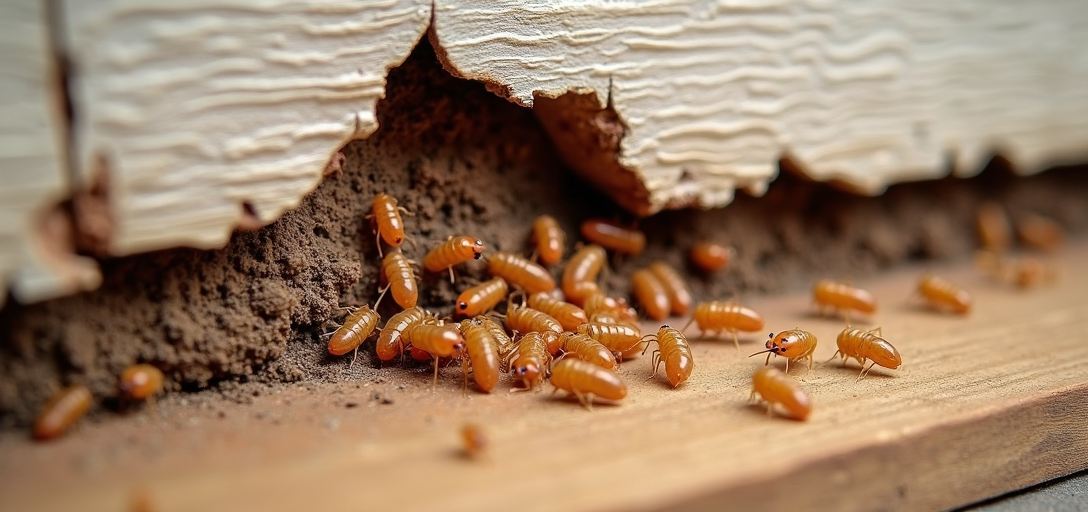
Understanding Termite Damage: Why It's a Big Deal
Termites, often referred to as "silent destroyers," cause more damage to Australian homes than fires, floods, and storms combined. According to the latest 2026 research, termites are responsible for an estimated $1.5 billion in property damage annually across Australia. This makes it crucial for homeowners to be aware of the signs of termite damage to protect their properties.
In Australia, termite infestations are particularly common due to the country's warm climate, which is conducive to termite activity year-round. Without proper intervention, these pests can compromise the structural integrity of your home, leading to costly repairs.
Key Signs of Termite Damage in Your House
Identifying the signs of termite damage early can save homeowners a significant amount of stress and money. Here are some of the telltale signs you should look out for:
Mud Tubes
Subterranean termites, the most common type in Australia, build distinctive mud tubes for protection and moisture retention as they travel between their nest and your home. These tubes can often be found along the foundation of your home, in crawl spaces, or on walls.
Wood Damage
Termites consume wood from the inside out, leaving it with a honeycomb appearance. This damage often goes unnoticed until it becomes severe. Tap wooden structures like beams or flooring; if they sound hollow, this might indicate termite infestation.
Buckling Floors or Sagging Ceilings
When termites feed on the wooden structures of your home, it compromises their strength, which can result in uneven or buckling floors and sagging ceilings. These structural changes can further lead to safety hazards if not addressed promptly.
Piles of Wings
Swarming is an initial indication of termites in the vicinity. Discarded wings near windowsills or entry points can signal a recent or active infestation.
Noisy Walls
If you hear clicking sounds coming from the walls, it might be soldier termites banging their heads against the wood or communicating to alert the colony.
Why Prompt Action is Crucial
Termites cause extensive damage rapidly. A colony can consume up to 5 grams of wood each day, which doesn't seem like much but adds up quickly across the structure of a house over time. More than 30% of homes in high-risk areas in Australia will be affected by termites, according to the National House Inspection.
How to Confirm a Termite Infestation
Once you suspect termite damage, it is advisable to have a professional inspection performed. Termite inspectors use advanced techniques such as thermal imaging and moisture detectors to identify hidden infestations. A comprehensive inspection can confirm the presence of termites and help determine the extent of damage.
DIY Inspection Steps
- Check for hollow-sounding wood by gently tapping on surfaces.
- Examine exposed wood for tunnels.
- Look for mud tubes around the foundation of your property.
- Inspect for visible drops of termite frass (droppings).
Preventative Measures Against Termite Damage
Prevention is always better than cure. Here are effective strategies to keep termites at bay:
Regular Inspections
Schedule annual termite inspections with a licensed professional. Many pest control companies in Australia offer affordable routine checks, which can be pivotal in early detection.
Remove Moisture Sources
Termites are attracted to moisture. Ensure that your property’s drainage is efficient, fix leaks promptly, and keep gutters clean to avoid water accumulation.
Use Termite-Resistant Building Materials
Consider using termite-resistant or treated wood when building or renovating. Stainless steel mesh and plastic barriers can also provide long-lasting protection by preventing termite access.
Implement Physical and Chemical Barriers
Discuss with a pest control expert about physical barriers (such as stainless steel mesh or chemically treated zones) during the construction phase. Post-construction barrier systems can also offer protection for existing homes.
What to Do If You Find Termite Damage
Seeing signs of termite damage is not the time for DIY treatment unless you have significant expertise. Here’s what you should do:
- Contact a licensed pest control professional immediately.
- Avoid disturbing the site too much before treatment commences, as this can cause termites to retreat deeper into your house, spreading the infestation.
- Discuss treatment options, which may include bait systems or liquid-soil treatments.
Conclusion
Understanding and identifying the signs of termite damage is crucial for any homeowner in Australia. By staying vigilant and proactive in prevention and treatment, you can protect your home from these destructive pests. For more detailed information on termite prevention and control, you can visit reliable sources such as the Australian Environmental Pest Managers Association (AEPMA) and consult industry experts.