Important Considerations Before Becoming a Sperm Donor: What You Need to Know
Embarking on the journey to become a sperm donor is a decision that requires careful consideration. Before taking the leap into becoming a sperm donor, it's important to understand the legal, personal, and health implications involved.
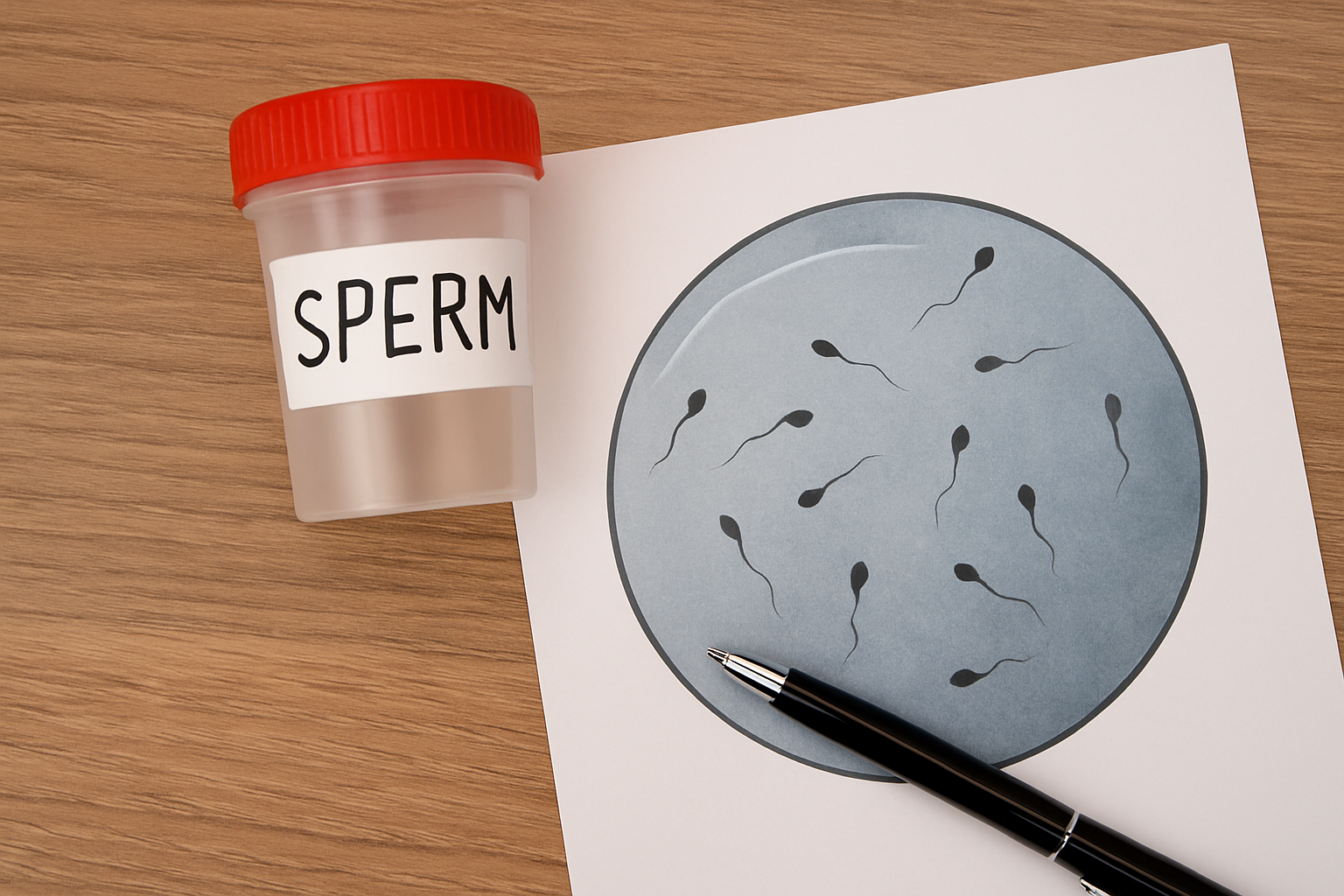
Understanding the Role of a Sperm Donor
Becoming a sperm donor is a decision that involves understanding both the responsibilities and implications. Many men choose to become donors to help individuals and couples who face challenges in starting a family. It's a noble cause, but it's important to be well-informed before you proceed.
What is Sperm Donation?
Sperm donation is the process where a man donates his sperm to a clinic or sperm bank to assist people in achieving pregnancy. It involves several steps, including medical screening and legal agreements. The sperm can be used for artificial insemination or in vitro fertilization (IVF).
Key Considerations Before Becoming a Sperm Donor
Eligibility Requirements
The first step is to determine if you meet the eligibility criteria set by sperm banks or clinics. Common requirements include:
- Age - Typically between 18 and 39 years.
- Medical History - A healthy lifestyle and a family history free from hereditary diseases.
- Educational Background - Some programs may have educational criteria.
Strict screening is important to ensure that the donor is in good health and has a high-quality sperm count. Meeting these criteria does not guarantee acceptance as a donor, but it is a necessary step in the process.
Screening Tests
Once eligibility is determined, screening involves detailed tests such as:
- Health Screening: Comprehensive physical examination and testing for infectious diseases like HIV, hepatitis, and STIs.
- Genetic Evaluation: Testing for hereditary diseases to ensure the health of future offspring.
- Semen Analysis: Evaluating sperm motility and concentration to assess fertility potential.
According to recent data from the American Society for Reproductive Medicine (ASRM) in 2026, sperm banks reject about 90% of sperm donors based on these rigorous standards to ensure the best genetic prospects for recipients (American Society for Reproductive Medicine).
Legal and Ethical Considerations
Legal Rights and Responsibilities
Before proceeding, understand the legal implications of sperm donation. Donors generally sign agreements that relinquish rights to any offspring that may result from the donation. However, laws vary by state and country.
Consultation with a legal expert or the clinic’s legal advisor is advisable to clarify any responsibilities, such as future contact with donor-conceived individuals or potential claims of parental rights.
Ethical Considerations
Ethical debates often surround anonymity and the child's right to know their biological origins. Some jurisdictions mandate that donor identities can be revealed when offspring reach adulthood. It's crucial for potential donors to contemplate these issues and to comprehend the possible future implications.
Donor Compensation
Donors do receive monetary compensation for their time and effort. Compensation varies depending on the clinic, state, and frequency of donations. Typically, payments range from $50 to $150 per donation visit.
Although the financial aspect can seem appealing, motivations for donation should ideally align with altruistic goals rather than financial incentives alone.
Emotional and Psychological Impact
Emotional Preparedness
Donate only if you feel comfortable with the idea of potential biological offspring that you may never know or meet. Some donors have reported feelings of detachment, while others express fulfillment from helping others.
Psychologists recommend counseling to ensure you are emotionally prepared for the potential implications and feelings that come with being a donor. This can help to mitigate any future emotional stress that may arise.
Insights from Donors
Many past donors emphasize the need for self-reflection and understanding personal values. Some express pride in helping families, while others caution against it if ambivalent. A survey conducted in 2026 indicated that around 60% of donors felt satisfied with their decision, but 20% wished they had considered the decision more thoroughly (Journal of Andrology).
Conclusion
Deciding to become a sperm donor is significant and requires comprehensive understanding and preparation. By reviewing the factors mentioned above and reflecting on personal motives and readiness, prospective donors can make a well-informed decision that aligns with both ethical considerations and personal beliefs. As the societal understanding of family dynamics continues to evolve, so too does the role of donors in facilitating diverse family structures.