Innovative Backyard ADU Solutions for Expanding Your Home in 2026
Discover innovative backyard ADU options for homeowners looking to expand their living space in 2026. Explore versatile designs that offer flexibility for modern needs, whether you're seeking additional rental income or more room for family.
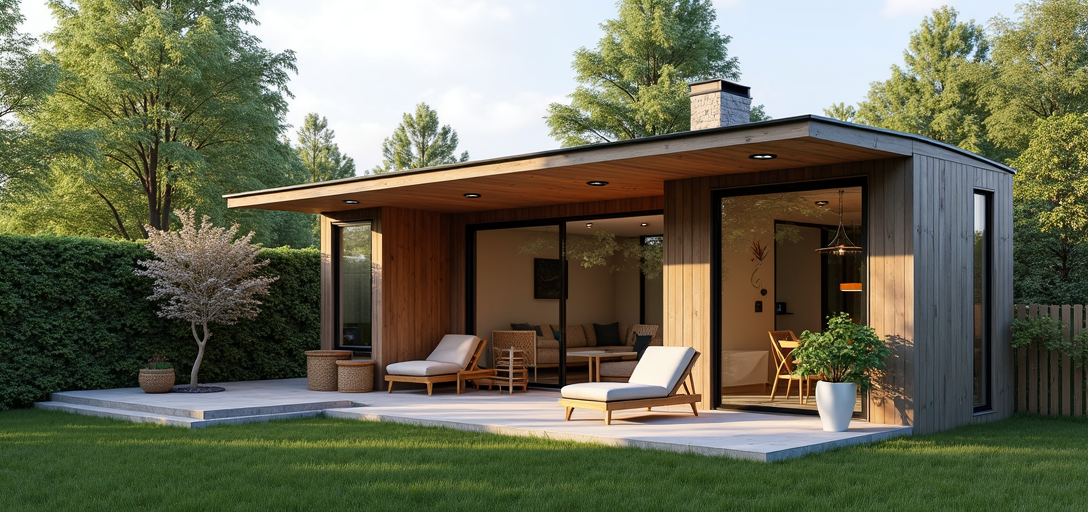
Understanding Backyard ADUs: A Guide for Homeowners in 2026
As urban areas continue to grow and housing shortages become more acute, homeowners are looking for creative ways to expand their living spaces. One of the most popular options is the addition of an Accessory Dwelling Unit (ADU) in the backyard. In 2026, these ADUs offer a promising solution for those in need of additional space, whether for family members, as rental units, or for personal use like offices or studios.
What is a Backyard ADU?
A backyard ADU is a secondary housing unit located on the same lot as a primary residence. These units, sometimes called granny flats, in-law suites, or backyard cottages, can be either attached to the main home or completely detached. They provide private living spaces that can include a bathroom, kitchen, and sleeping quarters.
Why Consider a Backyard ADU?
There are several compelling reasons why homeowners are opting for backyard ADUs:
- Increasing Property Value: ADUs increase the potential resale value and appeal of your property by providing more functional space.
- Additional Rental Income: Renting out an ADU can generate a steady stream of income, helping to offset mortgage costs or supplement retirement savings.
- Family Needs: They are an excellent solution for families needing to accommodate elderly parents or adult children.
- Flexibility: ADUs offer flexibility for use as guest houses, home offices, or creative studios.
Regulations and Permits for ADUs
Building a backyard ADU involves understanding zoning laws, building codes, and obtaining necessary permits. In the US, these regulations vary widely by state and municipality, which can affect the size, height, and design of the ADU.
For instance, California has led the way in easing restrictions and streamlining permitting as part of its efforts to alleviate the housing crisis. As of 2026, some areas allow ADUs up to 1,200 square feet, with requirements around setbacks, parking, and owner occupancy becoming more relaxed. For precise regulations, checking local planning department guidelines is essential.
Setting a Realistic Budget
Building an ADU isn’t inexpensive; costs can range from $100,000 to $300,000 depending on design, location, and materials. Here are factors to consider when budgeting for your ADU:
- Construction Costs: The bulk of your budget will be spent on construction. Prefab models might be cheaper but offer less customization.
- Permitting Fees: Don’t overlook the cost of permits, which can vary significantly.
- Utilities: Connecting water, sewer, and electricity can add to your expenses, particularly if your property's infrastructure is outdated.
- Landscaping: Post-construction, landscaping could be necessary to integrate the ADU seamlessly with your existing environment.
Design Considerations
When designing your ADU, consider the layout and how it will function as a livable space. Efficient use of space is key, and employing features like multi-purpose furniture can enhance functionality. Additionally, integrating green building practices, such as solar panels or energy-efficient appliances, can reduce operational costs and environmental impact.
In 2026, there's a growing trend towards smart homes, and incorporating tech such as smart lighting, climate control, and security systems can further add value and convenience.
Real-World Examples
Here are examples of how homeowners have utilized ADUs effectively:
- A Modern Granny Flat: The Johnson family in Austin, Texas, built a 600-square-foot detached ADU to house elderly parents. It features wide doorways, a step-free shower, and smart home technology tailored for accessibility. This approach ensures safety and independence for their parents while keeping them nearby.
- A Creative Workspace: In Portland, Oregon, artist Sarah Brown used her ADU as a painting studio. The natural light from skylights and open floor plan provide a perfect setting for her work. Renting it out during exhibitions doubles its utility.
- Rental Income: In Sacramento, California, young couple Laura and Mike invested in a 400-square-foot ADU that they rent via short-term rental platforms, generating additional income to support their travel lifestyle.
Conclusion
Backyard ADUs offer diverse and practical applications for homeowners looking to expand their living spaces. As we move further into 2026, these units not only address personal and family needs but also contribute solutions to broader housing challenges. With careful planning and adherence to local regulations, building an ADU can be a rewarding investment that adds value and versatility to your property.
For further reading and detailed guidelines, the US Department of Housing and Urban Development provides resources on ADUs, while local planning departments can offer insights into specific local requirements.
https://pro.houzz.com/pro-learn/blog/2026-houzz-outdoor-trends-report?utm_source=chatgpt.com
https://www.nyc.gov/site/hpd/services-and-information/adu-for-you.page?utm_source=chatgpt.com