Is a Memory Foam Mattress the Right Choice for You?
Curious if a memory foam mattress is worth the investment? Many people wonder if it's the best choice for a good night's sleep. This article uncovers the benefits and considerations of choosing a memory foam mattress, helping you decide if it aligns with your needs and lifestyle.
Understanding the Rise of Memory Foam Mattresses
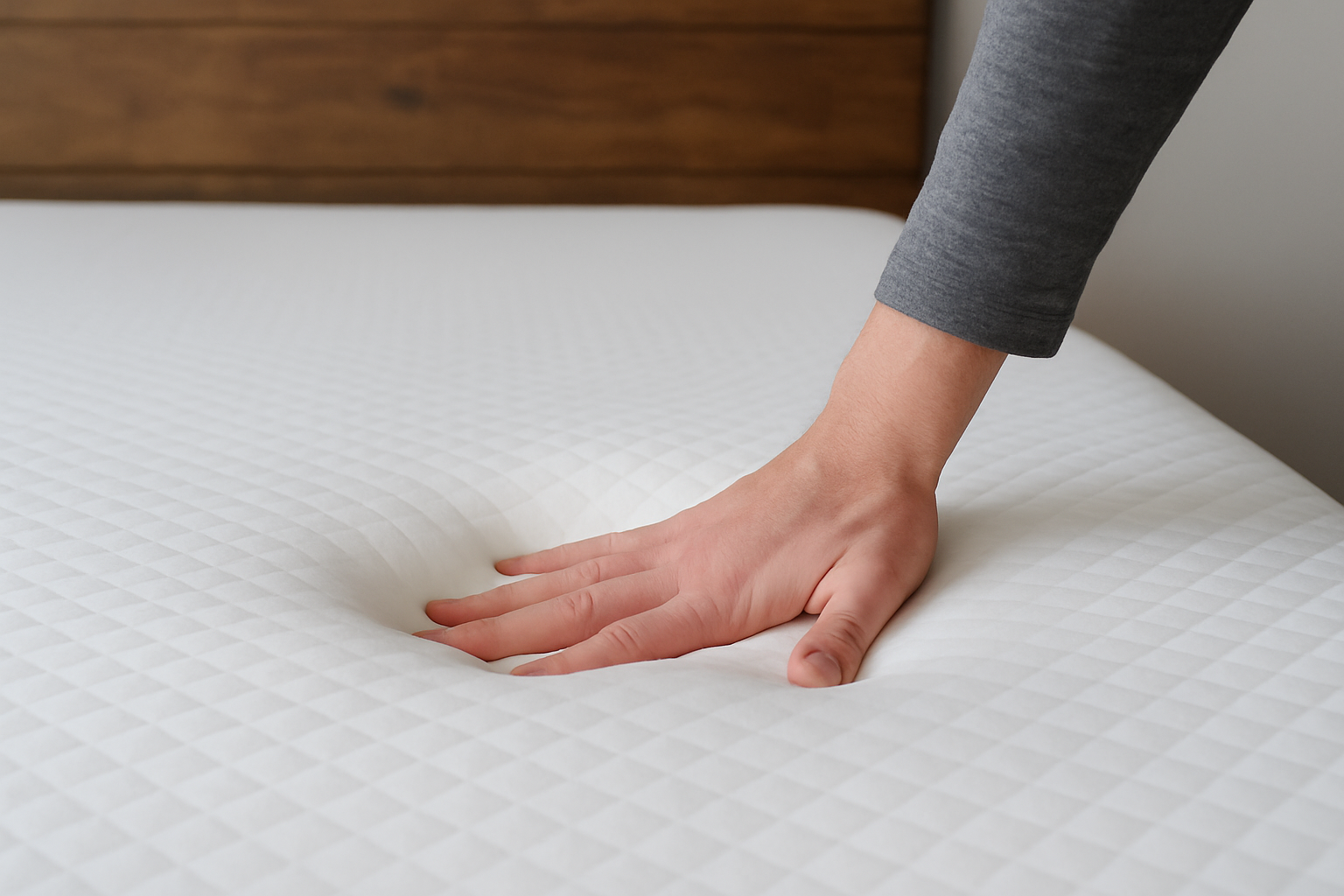
Memory foam mattresses have become a staple in the bedding industry, celebrated for their unique ability to conform to the body's shape, providing personalized support and comfort. Developed by NASA in the 1960s to improve aircraft seat cushioning, memory foam has found widespread use in various consumer products, most notably mattresses. Today, as sleep health becomes of paramount importance, many people are considering if investing in a memory foam mattress is truly worth it.
What is Memory Foam?
Memory foam is a type of polyurethane with added compounds that increase its viscosity and density, making it viscoelastic. This material responds to heat and pressure, allowing it to conform to the shape of a sleeper's body and distribute weight evenly. Over time, memory foam returns to its original shape, offering adequate support night after night.
Benefits of Memory Foam Mattresses
There are several key advantages associated with memory foam mattresses, which contribute to their popularity:
- Pressure Relief: The contouring abilities of memory foam provide excellent pressure relief at heavier body parts like hips and shoulders, which is crucial for individuals suffering from joint pain or conditions like arthritis.
- Spinal Alignment: Proper support is essential for maintaining spinal alignment during sleep, helping prevent back pain and improving overall comfort.
- Motion Isolation: Memory foam mattresses are excellent at absorbing movement, which makes them ideal for couples. If one partner moves or changes positions during the night, the other is less likely to feel it.
- Allergy Friendly: Memory foam's dense structure naturally repels dust mites, pet dander, and other allergens, making it a suitable choice for allergy sufferers.
Potential Drawbacks to Consider
While memory foam mattresses offer numerous benefits, they might not be suitable for everyone. Consider these potential downsides:
- Heat Retention: Memory foam can retain body heat, which might be uncomfortable for those who sleep hot. However, many modern memory foam mattresses incorporate cooling technologies, such as gel-infused foam or breathable covers.
- Initial Odor: New memory foam mattresses might release an odor, known as "off-gassing," due to VOCs (Volatile Organic Compounds). This smell typically dissipates within a few days in a well-ventilated room.
- Weight: Memory foam mattresses can be heavier and more difficult to move than traditional innerspring mattresses.
- Cost: High-quality memory foam mattresses can be more expensive than other types, which might be a consideration for budget-conscious shoppers.
Factors to Consider When Shopping for a Memory Foam Mattress
If you're considering purchasing a memory foam mattress, here are some factors to keep in mind:
Densities and Firmness Levels
Memory foam mattresses come in various densities, typically measured in pounds per cubic foot (PCF). Higher-density foams (5+ PCF) offer greater support and durability but can feel firmer, whereas lower-density foams (2-4 PCF) provide a softer feel and are lighter. Understanding your preference for mattress firmness will help guide your decision.
Thickness
Memory foam mattresses are available in different thickness levels, typically ranging from 6 to 14 inches. Thicker mattresses generally provide more enhanced support and comfort layers, which can be advantageous for those who weigh more.
Budget
Consider your budget when shopping for a memory foam mattress. While budget-friendly options are available, investing in a high-quality mattress can have long-term health benefits, including improved sleep quality.
Trial Periods and Warranties
Many mattress brands offer trial periods and extensive warranties. A trial period allows you to test the mattress in your home for a specific time before committing to the purchase, which can be valuable for ensuring it meets your comfort needs.
Memory Foam Mattresses in 2026
As of 2026, memory foam mattresses are evolving with new technologies and innovations aimed at enhancing sleep quality. Brands now incorporate features like advanced cooling gels, plant-based foams, and antimicrobial covers. According to a 2026 market analysis report by Market Research Future, the memory foam mattress market is expected to grow significantly, driven by increasing consumer demand for improved sleep products.
Conclusion: Is a Memory Foam Mattress Worth It?
Deciding whether a memory foam mattress is worth the investment depends on individual preferences and needs. For those dealing with chronic pain, light sleepers who share a bed, or allergy sufferers, the benefits of memory foam can outweigh the potential drawbacks. Ensuring you choose a mattress that aligns with your specific comfort and support needs is crucial for a good night's sleep. Ultimately, prioritizing restful sleep can lead to long-term health benefits, making a memory foam mattress a worthy consideration for many.