Is Full Insurance Necessary When Storing Your Motorcycle for Winter?
Storing your motorcycle for winter? Consider adjusting your insurance while it's in storage. Many riders find that they may not need full coverage when the bike isn't on the road. It's important to weigh the options carefully, as reducing coverage can lower expenses, but also affects protection.
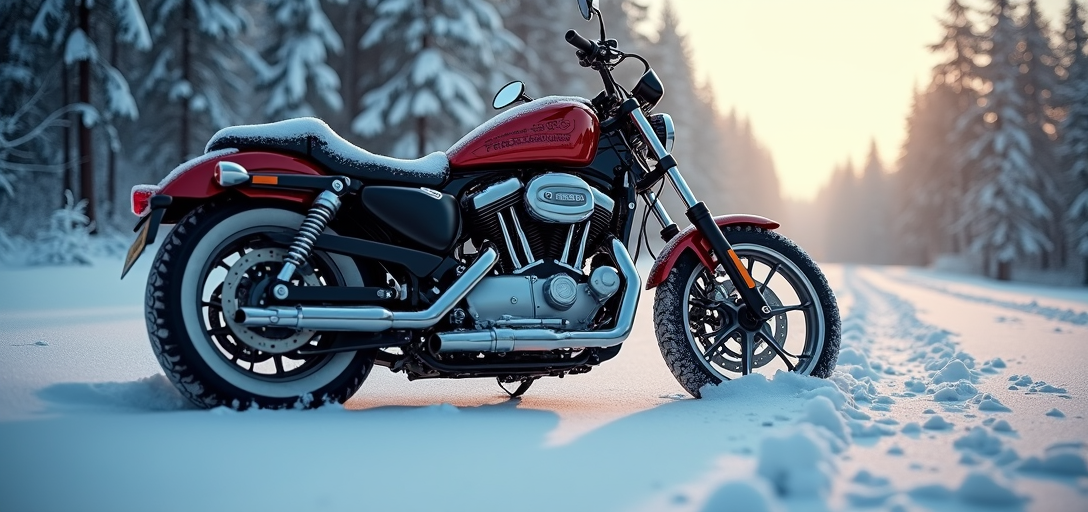
Understanding Motorcycle Insurance Coverage
Types of Motorcycle Insurance Coverage
In the United States, motorcycle insurance is a must for riders who want to protect themselves and their bikes on the road. However, the level of coverage required or desired can vary greatly depending on circumstances such as how often you ride, where you store your motorcycle, and whether you plan on using it throughout different seasons.
Here are the primary types of motorcycle insurance coverage:
- Liability Insurance: Covers bodily injury and property damage if you're at fault in an accident.
- Collision Insurance: Pays for damage to your motorcycle resulting from a collision with another vehicle or object.
- Comprehensive Insurance: Covers non-collision related incidents such as theft, vandalism, or natural disasters.
- Uninsured/Underinsured Motorist Coverage: Protects you if you're involved in an accident with an uninsured or underinsured driver.
- Medical Payments Coverage: Helps cover medical expenses for you and your passengers after an accident, regardless of fault.
Winter and Motorcycle Insurance
During the winter months, many motorcycle enthusiasts store their bikes for long periods, particularly in regions where harsh weather conditions prevail. This is where the question of whether full coverage insurance is necessary arises. If you're someone who stores your motorcycle during the winter, you might be able to adjust your coverage to save money without compromising on crucial protection.
Do You Really Need Full Coverage When Storing Your Motorcycle?
Assessing Your Insurance Needs
Full coverage typically consists of both collision and comprehensive insurance. When your motorcycle is stored for the winter, especially if you live in a low-risk area for natural disasters or theft, you might conclude that collision coverage — which primarily protects your bike during travel — isn’t necessary. However, maintaining comprehensive coverage might still be a wise choice to protect against other risks such as theft or unforeseen damage.
Potential Cost Savings
According to recent reports, reducing your coverage during off-peak times could cut premiums by as much as 30% depending on your insurance provider and location (source: Insurance 2026). It's beneficial to assess whether these savings outweigh the risks associated with reducing coverage.
Real-World Scenarios and Examples
For instance, John, a motorcyclist from Michigan, reduces his coverage every winter as he stores his bike in a secure garage with a state-of-the-art alarm system. However, Mary from California decides to keep full coverage as she occasionally rides during milder winter days and fears the risk of floods.
How to Adjust Your Motorcycle Insurance for Winter
Steps to Modify Your Coverage
Adjusting your coverage for winter is straightforward if you follow these steps:
- Contact Your Insurer: Begin by discussing your storage plans with your insurance provider. They can offer guidance and help you understand potential policy changes.
- Review Your Policy: Thoroughly understand your current policy terms. Identify which parts of the coverage you're paying for that may not be necessary during storage months.
- Adjust Coverage: Consider keeping comprehensive coverage while suspending collision coverage if your motorcycle won't be ridden over the winter.
Additional Considerations
Besides adjustments to your insurance coverage, consider investing in proper storage solutions such as weather-resistant motorcycle covers, racks, or dehumidifiers to further protect your bike from winter elements. These measures, while not replacing insurance, add another layer of protection.
The Role of State Laws in Insurance Coverage
Regulation Differences by States
Insurance requirements can differ by state in the US. For instance, some states may have minimum insurance requirements regardless of whether the vehicle is actively used (source: Department of Vehicle 2026). Always check with your state's regulations to ensure compliance and avoid penalties.
Accident Liability and Stored Motorcycles
It’s important to note that suspending coverage does not affect liability—if someone is injured on your property (such as slipping near the storage site), you could still be liable for medical costs, although this generally falls under homeowners or renter insurance rather than vehicle insurance.
Final Thoughts and Recommendations
As a responsible motorcycle owner, understanding the intricacies of insurance coverage during off-season storage is essential. Always weigh the risks and benefits before making changes to your policy, ensuring that your insurance needs are met year-round. So while you might not need full coverage while your motorcycle is stored for the winter, maintaining a minimal yet effective level of protection ensures peace of mind.
Finally, stay updated with insurance trends, new policies, or state law changes to make informed decisions and take advantage of potential cost savings. Regularly reviewing your insurance strategy biannually with the help of an insurance advisor can provide tailored insights specific to your riding and storage habits.