Is It Realistic to Live Permanently Off-Grid in an RV?
Curious about living permanently offgrid in an RV? Discover the essentials needed for this adventurous lifestyle. From solar power setups to water management and internet possibilities, find out how you can live offgrid in an RV comfortably. While challenges exist, many find the freedom rewarding.
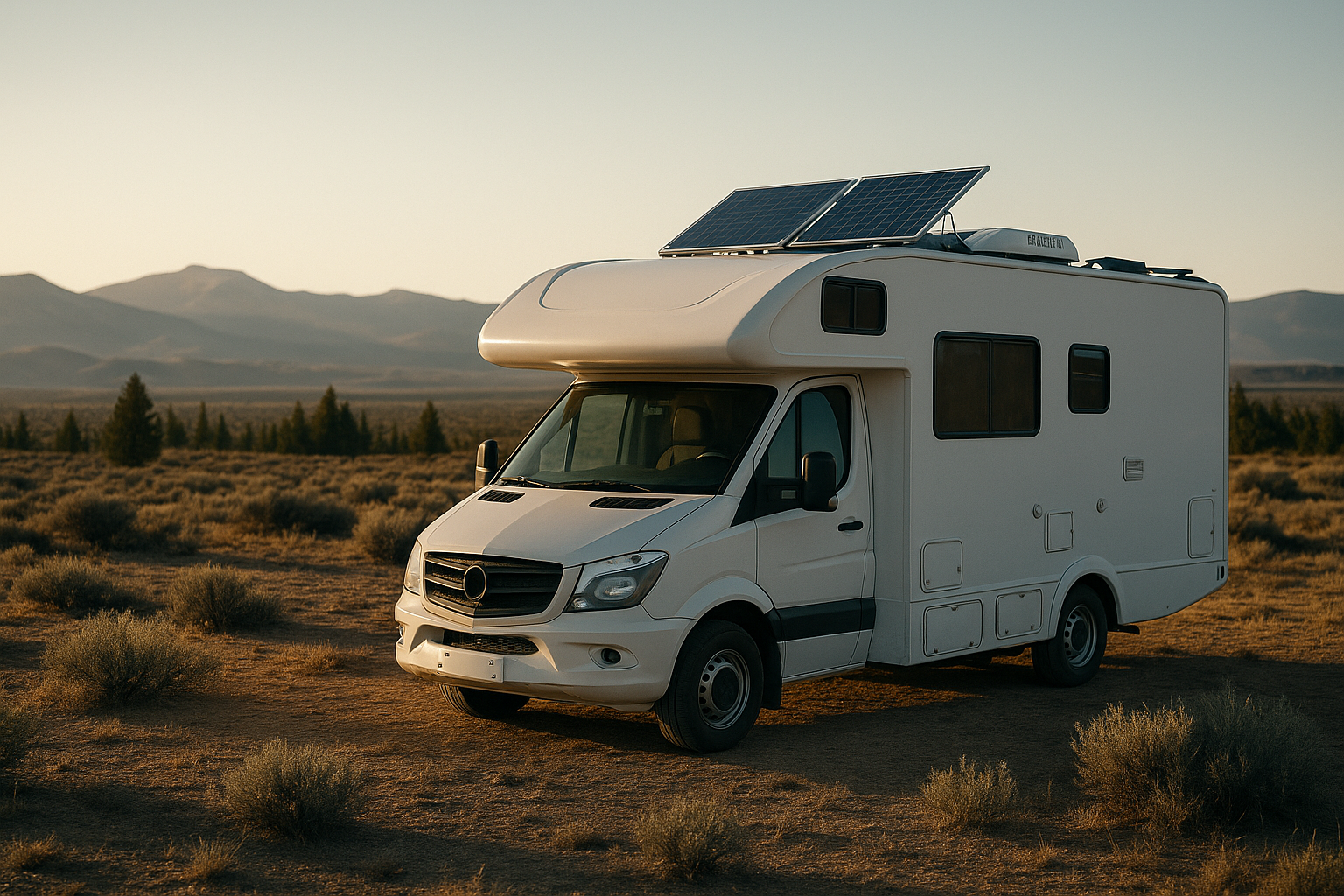
Understanding the Appeal of Living Permanently Off-Grid in an RV
As the pursuit of sustainable living gains momentum, many individuals are exploring the possibility of living permanently off-grid in an RV. The appeal is multifaceted, encompassing financial independence, minimalistic living, and the opportunity to roam freely. However, is it truly feasible to make this lifestyle shift permanent? This article delves into essential aspects and practical considerations for those contemplating this liberating lifestyle.
Key Considerations for Off-Grid RV Living
1. Energy Independence
Achieving off-grid living hinges on the capability to generate and manage your own energy. In 2026, advancements in solar technology have become more accessible, offering a viable solution for RV owners. Equipping your RV with solar panels can provide sufficient energy for daily needs, from powering appliances to charging devices. An average setup might include a 1000-watt solar array, complemented by lithium batteries for energy storage.
For example, a couple living off-grid full-time reported that their 1200-watt solar setup allows them to run a small fridge, lights, and charging equipment without relying on external power sources. [1]
2. Water and Waste Management
Another critical aspect of living off-grid is the effective management of water resources and waste. RV owners should be prepared to handle water sourcing, filtration, and waste disposal independently. Many opt for rainwater catchment systems or portable water purification units to ensure a steady water supply.
Gray water recycling systems are gaining popularity in 2026, allowing RV residents to reuse water from sinks and showers for flushing toilets or watering plants, minimizing waste. Composting toilets offer an eco-friendly solution for waste management, breaking down waste into compost suitable for non-edible plant use. [2]
3. Food Supply and Storage
While living off-grid, maintaining a stable food supply can be challenging but manageable with planning. Stocking non-perishable foods and establishing small-scale gardening systems like vertical gardens or hydroponics can provide fresh produce in limited spaces.
Innovations in 2026 have introduced compact, efficient grow lights and soil-less cultivation methods, making it plausible to grow herbs and leafy greens inside an RV. Sharing strategies with a community of off-grid enthusiasts can offer additional insights and support.
Practical Challenges and Solutions
1. Internet Connectivity
Staying connected to the digital world is essential, even off the grid. Satellite internet has become more affordable and reliable in recent years, offering a lifeline for those living in remote areas. Although data limitations exist, they are generally sufficient for essential communication and work tasks.
In 2026, companies like Starlink have expanded coverage greatly, providing high-speed internet access to even the most rural locations. This development supports digital nomads and remote workers seeking off-grid lifestyles. [3]
2. Legal and Regulatory Considerations
Understanding the legal landscape of off-grid living is paramount. Regulations regarding long-term parking, land use, and environmental impact can vary widely by state and local jurisdiction. Engaging with local governments or landowners can help navigate potential legal challenges.
In addition, national forest lands or Bureau of Land Management areas often allow longer stays with permits, providing more flexibility for off-grid RV dwellers.
3. Sustainability and Environmental Impact
While living off-grid aims for sustainability, it is crucial to consider environmental impacts. Using renewable resources responsibly and minimizing trash can reduce ecological footprints. By choosing eco-friendly products and technologies designed to reduce waste, individuals can make meaningful contributions to the environment.
Collaborating with local conservation efforts or groups can enhance awareness and participation in sustainable practices.
Is It Possible? The Conclusion
The concept of living permanently off-grid in an RV is not only possible but increasingly achievable with today's technology and resources. However, it requires thorough preparation, ongoing education, and a willingness to adapt. By addressing energy needs, resource management, and connectivity challenges, individuals can create a fulfilling, self-sustained lifestyle.
For many, the journey towards full-time off-grid RV living represents a meaningful step towards autonomy, environmental stewardship, and an enriching life closer to nature. For those committed to embracing this lifestyle, the possibility is as boundless as the open road.