Is It Time for a New Roof? Key Warning Signs You Shouldn't Ignore
Curious about when it's time to replace your roof? Watch out for key signs that a roof needs replacement. From curling shingles to persistent leaks, understanding these indicators can help you plan your home's maintenance effectively.
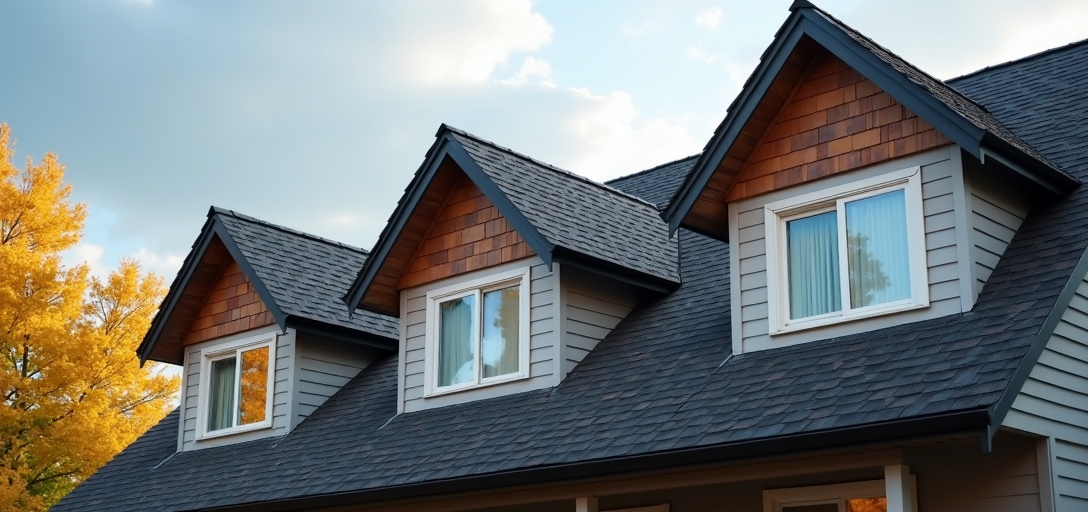
Understanding Common Signs of Roof Deterioration
Homeowners in the US often overlook early warning signs that a roof might need replacement. A roof serves as the primary defense against environmental elements, and overlooking its maintenance can lead to significant damage. Understanding the indications of a deteriorating roof is crucial for scheduling timely repairs or replacements.
Shingle Issues: Curling, Buckling, and Missing Shingles
Shingles are the first line of protection against harsh weather. If you notice curling or buckling shingles, it could be a sign of weathering and a need for replacement. Missing shingles are another red flag. They expose your roof's understructure, leading to potential leaks and water damage.
- Curling shingles are often caused by extreme temperatures and limited attic ventilation.
- Buckling shingles may result from moisture in the attic space or faulty installation.
- Missing shingles leave vulnerable spots on your roof, increasing the risk of leaks.
Age of the Roof
Roofs have an average lifespan of 20–25 years. If your roof is approaching this age, consider a full replacement to prevent unexpected failures. Asphalt shingles, the most common roofing material in the US, generally last around 20 years, depending on the climate and maintenance.
Indicators of Water Damage
Water damage can manifest in various ways, such as stains on interior ceilings or walls, leaks in the attic, or even mold growth. Addressing leaks promptly can prevent more severe problems, such as structural damage to your home. According to 2026 data from the National Roofing Contractors Association, water damage is one of the most reported issues leading to roof replacements.
Check for Sagging
If your roof appears to sag, it suggests a structural issue. This is often a result of prolonged water exposure, deteriorated roofing materials, and weakening supports. Immediate attention is necessary to prevent further damage or potential collapse.
Gutter Granules
Roofing granules in your gutters can indicate that shingles are at the end of their life. Granules protect shingles from the sun and add an extra layer of weatherproofing. Excessive granule shedding compromises this protection, necessitating a roof check.
Expansion and Contraction Effects
The effects of climate on roofs within the US vary significantly. Many roofs suffer from "thermal expansion and contraction," causing materials to crack or warp over time. In areas with harsh weather shifts, especially in northern states, this can accelerate the need for a new roof.
Flashing Damage
Flashing is a critical roof component that seals joints and prevents water penetration. Look for cracked or bent flashing, as these suggest potential leaks. In some cases, roof valleys may also show signs of wear, evident by debris buildup or visible granules.
Increases in Energy Bills
If you notice an unexplained increase in heating or cooling costs, your roof might be insufficiently insulated. Inadequate ventilation and insulation can allow air to escape, causing HVAC systems to work harder. Routine inspections help identify if roofing problems contribute to energy inefficiency.
Importance of Professional Inspections
Professional roof inspections provide valuable insights that untrained eyes might miss. Regular inspections, ideally every few years or after major weather events, will help maintain your roof's condition. Employ certified local roofers who understand both national and regional roofing concerns.
Choosing the Right Roofing Material
When it comes time for replacement, selecting the right material is crucial. Options like asphalt shingles, metal roofing, tiles, or wood shake cater to varying budget constraints, regional climates, and aesthetics. For example, metal roofs, when properly installed, can last upwards of 50 years and provide great protection against severe weather.
Conclusion: Act Before the Damage Worsens
Being proactive about roof maintenance helps prevent costly repairs and prolongs the life of your roof. Make a habit of observing for signs of wear and consulting with roofing professionals to assess possible refurbishments or replacements.
Resources like the National Roofing Contractors Association and experts from Consumer Reports provide valuable guidelines and can assist in your decision-making process. Staying informed ensures your roof remains a protective shield over your home for years to come.