Is Your Air Conditioner Secretly Draining Your Wallet?
Are your energy bills higher than expected? Your AC might be costing you more than you think. Many homeowners are unaware of the hidden expenses associated with inefficient air conditioning systems. Learn how to optimize your AC usage and save money.
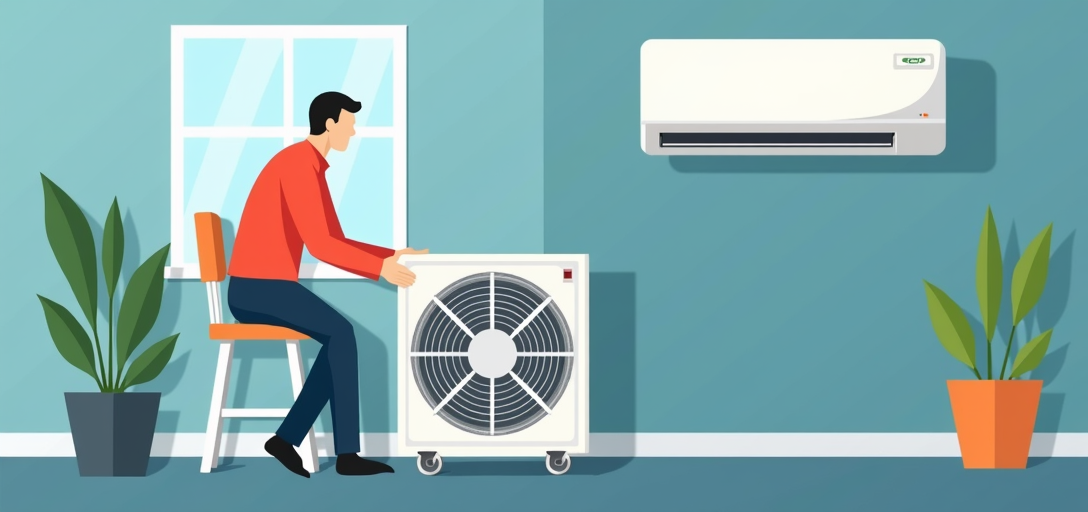
Understanding Your Air Conditioner's True Costs
Your air conditioner (AC) is indispensable during hot summer months, but have you ever wondered if it’s costing you more than you think? Many homeowners in the US experience hidden costs associated with their air conditioning systems. Besides the obvious energy bills, factors like maintenance, efficiency, and lifespan impact the overall expense.
Key Questions to Consider
- How efficient is your current AC model?
- Are you maintaining it regularly to ensure optimal performance?
- How old is your AC unit, and could it be costing more due to wear and tear?
The Importance of Energy Efficiency Ratings
The efficiency of an air conditioning unit is measured by its SEER (Seasonal Energy Efficiency Ratio). As of 2026, new regulations are increasing minimum SEER requirements, encouraging consumers to opt for more energy-efficient models. A higher SEER means better efficiency, translating to lower energy costs. For instance, replacing a unit with a SEER of 10 with one rated at 16 can save you up to 60% in energy costs annually, according to the U.S. Department of Energy.
Energy-efficient models, such as those with an ENERGY STAR certification, often cost more upfront but result in significant savings over time. These models not only reduce your utility bills but also decrease your carbon footprint.
Calculating Your AC's Efficiency
You can approximate the cost-effectiveness of your current AC unit by considering the following formula: the total cooling expelled (in BTUs) divided by the overall energy consumed (in watts). By comparing this to newer models, you can see if an upgrade is financially wise.
Regular Maintenance is Key
Regular maintenance is crucial for keeping your air conditioning unit running efficiently. Neglecting routine checks and cleaning can lead to significant efficiency losses. According to EPA, poorly maintained systems can use 30% more energy to deliver the same cooling output. Tasks like replacing filters, cleaning coils, and ensuring proper refrigerant levels should be performed at least annually.
Preventive Measures to Lower Costs
- Schedule professional servicing at least once a year.
- Regularly clean and replace air filters to improve air flow and efficiency.
- Inspect ductwork for leaks, as these can lead to significant energy loss.
Utilizing a smart thermostat can also aid in reducing costs by better managing your cooling needs based on your schedule and occupancy patterns.
Signs Your AC Might Need Replacement
An aging AC unit can be a silent drain on your finances. Typically, if your AC is more than 10-15 years old, it's worth considering a replacement. Units older than this threshold are not only less efficient but also more prone to costly repairs. Modern units offer advanced technology that improves performance and reduces costs.
Indicators of an Inefficient AC
- Inability to maintain consistent temperatures.
- Frequent breakdowns and costly repairs.
- Unusually high energy bills compared to previous years.
In the 2026 market, new AC units come equipped with smart technology features, such as variable speed compressors, which adjust to your cooling needs and dramatically enhance energy efficiency.
Making an Informed Decision
When deciding whether to repair or replace your AC unit, consider both present costs and future savings. Evaluate the long-term financial benefits of investing in a modern air conditioning system against sticking with your older system. Be mindful of technological advancements and environmental considerations that can further inform your decision.
Conclusion: Your AC Investment
Your AC might indeed be costing you more than you think if not properly managed. By focusing on energy efficiency, regular maintenance, and timely upgrades, you can significantly reduce your home's cooling expenses. Moreover, investment in a high-performing system not only lowers costs but also contributes to a sustainable future.
For more guidance on selecting an energy-efficient AC system or to calculate potential savings, please consult resources from the ENERGY STAR program and the U.S. Department of Energy.