Is Your HVAC System on the Fritz? Recognize the Signs Before It's Too Late
Wondering if your HVAC system needs repair or replacement? It's crucial to identify the warning signs early. From unusual noises to increased energy bills, these indicators could mean it's time for professional help.
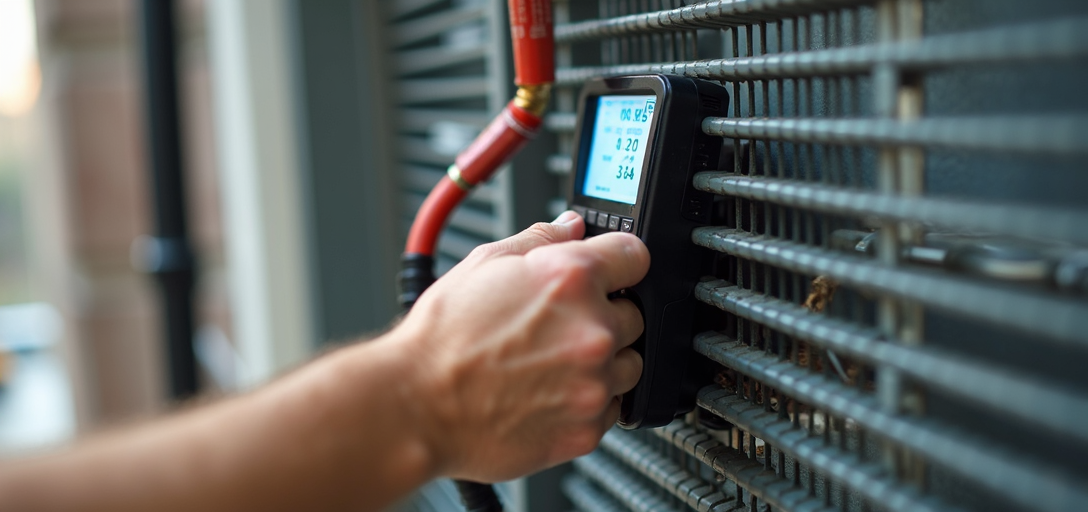
Understanding HVAC Systems: Repair Vs. Replacement
If you’ve clicked on an ad asking, “HVAC Repair Or Replacement? Learn To Assess The Warning Signs,” you’re likely facing an HVAC dilemma. Navigating whether to repair or replace your heating, ventilation, and air conditioning (HVAC) system can be overwhelming. This guide aims to demystify the decision process by highlighting key warning signs, factors to consider, and essential steps for making an informed decision.
Signs Your HVAC System Needs Attention
Your HVAC system is like the heart of your home’s climate control. Recognizing the signs of trouble early can prevent a complete system breakdown and save you money.
- Unusual Noises: Clanging, banging, or grinding noises can indicate loose parts or mechanical failures.
- Increased Energy Bills: A sudden rise in energy costs may suggest your HVAC system is operating inefficiently.
- Uneven Heating or Cooling: If some rooms are too hot while others are too cold, your unit may be struggling to distribute air evenly.
- Frequent Repairs: Increased frequency of repairs can be a major red flag that replacement might be more cost-effective.
- System Age: Most HVAC systems last between 10 to 15 years. If your unit is within or beyond this age range, it might be time to evaluate its performance.
Factors Influencing the Repair or Replace Decision
Deciding between repair and replacement isn’t always straightforward. Here’s what homeowners should consider:
- Cost Analysis: Compare the cost of a full replacement to the cumulative cost of repairs. A good rule of thumb is the 50% rule—if the cost of repairs is more than 50% of the price of a new system, replacement may be wiser.
- Energy Efficiency: According to the U.S. Department of Energy, newer HVAC models are significantly more efficient than older models, reducing energy consumption and costs. Look for units with higher SEER (Seasonal Energy Efficiency Ratio) ratings.
- Comfort and Performance: A new system will not only be more reliable but also improve comfort by providing consistent temperature and better humidity control.
- Environmental Impact: Newer systems use eco-friendly refrigerants and comply with the latest environmental regulations, contributing to reduced greenhouse emissions.
Steps to Assess Your HVAC Situation
Before making a decision, conduct a thorough assessment. Here’s how:
- Work with a Professional: Hire a certified HVAC technician to evaluate your system’s current state. A technician will provide valuable insights and recommendations based on the latest data and technological advances.
- Request a Load Calculation: Ensure your home’s HVAC needs are correctly calculated. An inappropriate unit size can lead to inefficiencies regardless of whether you choose to repair or replace it.
- Review Warranty Options: A new system often comes with a warranty, providing peace of mind and potential savings on future repairs.
Understanding HVAC Costs in 2026
Cost remains a pivotal factor in any repair versus replace decision. According to U.S. Department of Energy, the average cost of HVAC system installation varies from $5,000 to $12,500, depending on system size, brand, and complexity of the installation. Repair costs can range from $150 for minor issues to over $1,500 for significant repairs.
U.S. Energy Information Administration Report in 2026 highlights that investing in more energy-efficient systems can save homeowners up to 20% on their annual energy bills.
Case Study: When Replacement is the Best Option
Consider the case of a homeowner in Minnesota. Their 12-year-old HVAC system required constant repairs over the past year, totaling $1,200. Despite repairs, energy bills remained high due to the system’s inefficiency. After consulting an HVAC expert, they opted to replace their aging system with a modern unit, costing $8,500. Over the next two summers, they noticed a 25% drop in energy costs, validating their decision.
Conclusion: Making the Right Choice
Ultimately, the decision to repair or replace an HVAC system involves evaluating current system performance, future energy savings, and personal comfort preferences. By staying informed and working with HVAC professionals, homeowners can make choices that align with their financial goals and enhance the comfort of their living spaces.