Keeping Cool: The Benefits of Automatic Waterers for Your Horses This Summer
Discover how automatic waterers can transform your horse's summer. While we can't guarantee perfect experiences, automatic waterers offer convenience and may contribute to improved health and happiness.
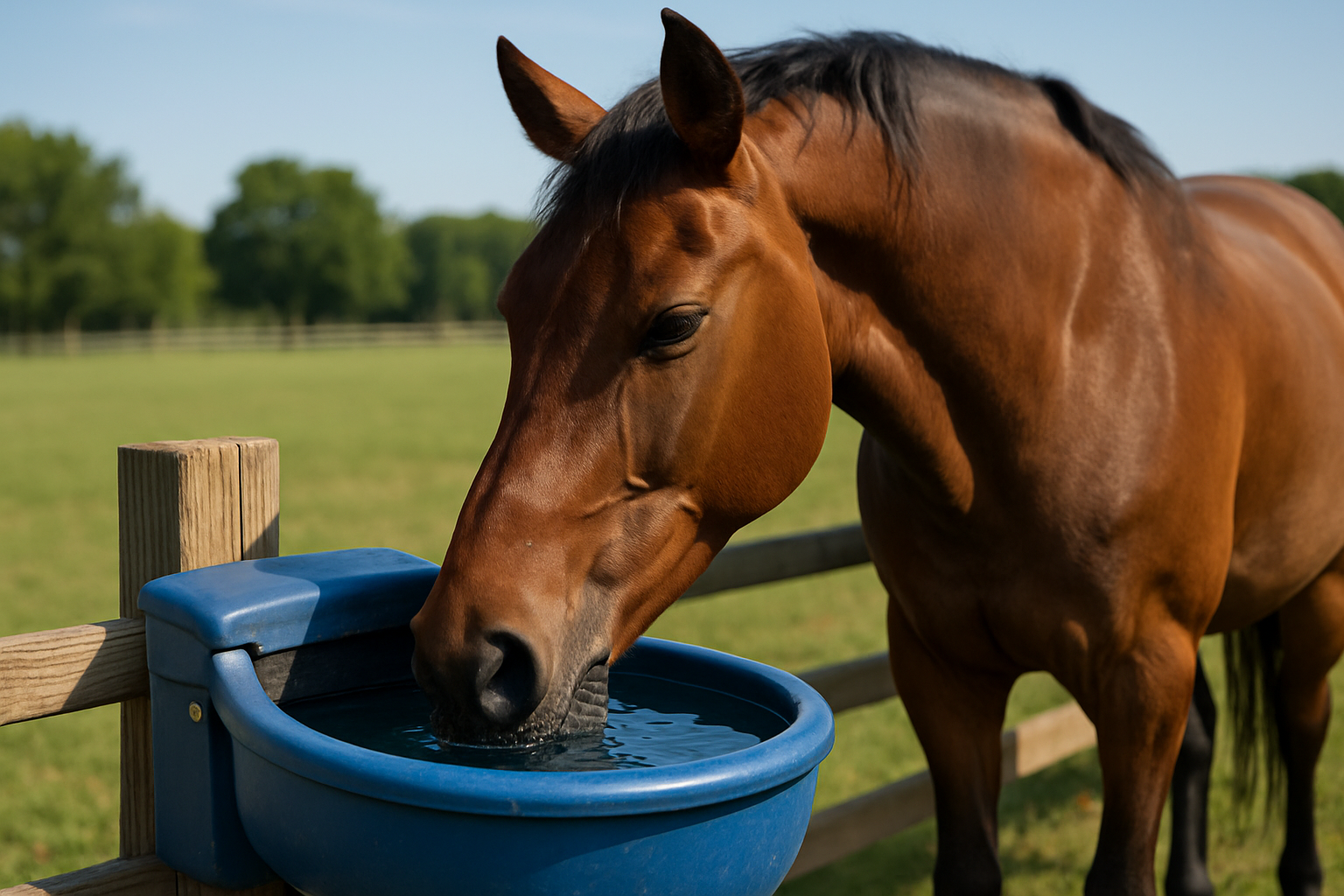
The Importance of Accessible Water Sources for Horses in Summer
Ensuring that your horses have constant access to fresh and clean water is vital, especially during the summer months. Dehydration, colic, and other heat-related illnesses are serious risks that can be mitigated through improved water intake strategies. But why are automatic waterers a preferred solution for preventing these issues, and how can they benefit your equine companions & livestock?
Understanding the Hydration Needs of Horses
Horses, depending on their size and activity level, can consume between 5-10 gallons of water a day. During the hotter months, this need can increase further. Proper hydration is crucial for their digestion, thermoregulation, joint lubrication, and overall health. A slight drop in their water consumption can lead to significant health problems.
Even mildly dehydrated horses can suffer from reduced performance, higher rates of colic, and other metabolic disorders. Therefore, providing sufficient and convenient water sources is necessary.
Why Automatic Waterers Are Beneficial
Automatic waterers are designed to provide horses with:
- Consistent Water Supply: Automatic waterers refill themselves, ensuring that water is always available.
- Improved Water Quality: These systems often include filtration options, reducing the risk of your horses consuming contaminated water. It also saves time spent cleaning your troughs of algae buildup.
Environmental and Economic Benefits
Beyond the immediate health advantages for horses, there's also a range of environmental and economic benefits to installing automatic waterers.
Reducing Water Waste
Traditional water troughs are prone to overflow and spillages, contributing to unnecessary water wastage. Automatic waterers, equipped with control systems and float valves, ensure minimal water loss. Research finds that these systems could save up to 30% more water compared to manual methods.
Cost Efficiency Over Time
While the initial investment in automatic waterers might be higher, they significantly cut down on maintenance costs and water bills over time. Reduced water wastage and labor requirements help to justify the upfront costs. In fact, many horse owners report savings in operational costs within the first few years of use.
How to Choose the Right Automatic Waterer
Selecting the right automatic waterer involves considering various factors including the number of horses, the environmental conditions, and the features offered by different models. Here's what you need to consider:
Key Features to Look For
- Durability: Choose models made from high-quality materials like stainless steel or sturdy plastic to withstand weather changes and horse interaction.
- Easy Maintenance: Waterers should be simple to clean and maintain, with easily accessible parts.
- Temperature Control: Some waterers come with built-in heating elements to prevent freezing during winter or cooling systems for the summer.
Installation Considerations
Installing an automatic waterer requires access to a reliable water source and, if necessary, an electricity supply for features like heating. It's crucial to ensure the placement is appropriate to avoid any water stagnation or misuse.
Real-World Examples and Success Stories
Many horse owners have successfully integrated automatic waterers into their barns and pastures. For instance, a recent case study from Equine Ranch Updates illustrates how a large farm in Texas prevented dehydration-related health issues entirely by switching to automatic systems.
These systems often lead to more time spent on other important horse care activities, enhancing the overall well-being of the animals and the satisfaction of the caretakers.
Conclusion: A Smart Solution for Horse and Livestock Owners
In summary, automatic waterers offer consistent, clean, and conveniently accessible water sources for horses and livestock. They reduce risks associated with dehydration while also offering financial and environmental benefits.
As we continue to understand the importance of animal welfare and resource conservation, adopting such innovative facilities represents a smart step forward for horse owners.