Key Areas to Examine Immediately After Water Damage Strikes
Experiencing leaks or unexpected water damage? It's crucial to know what to inspect first. Start by checking the source of the water to prevent further damage. Examine walls, ceilings, and floors for signs of deterioration.
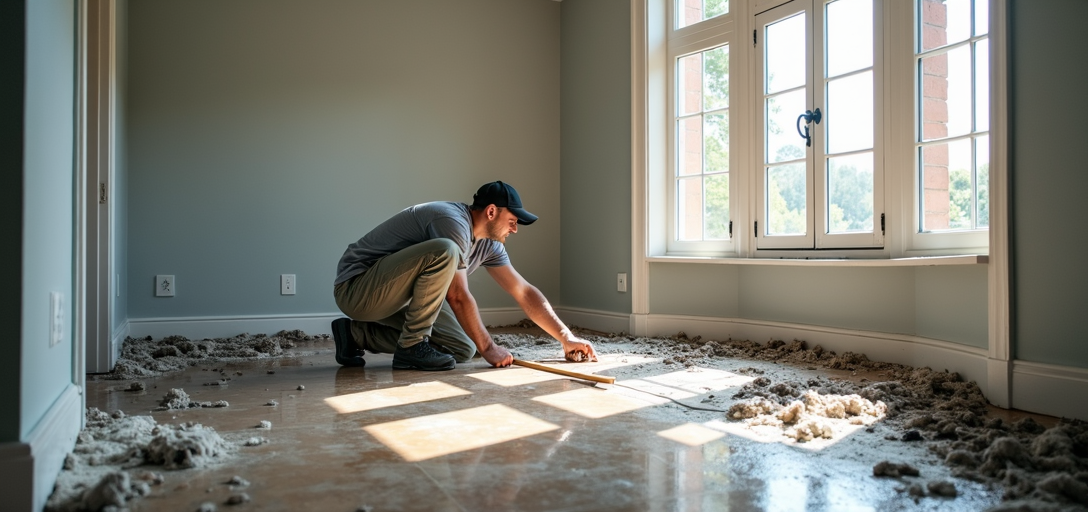
Understanding Water Damage and Its Causes
Water damage is a common issue that homeowners in the US face, often resulting from leaks or unexpected incidents like a burst pipe or heavy rainfall. Understanding the root causes of water damage is crucial for preventing future occurrences and mitigating the immediate effects.
Common Causes of Water Damage
- Plumbing Issues: Faulty or aging pipes, leaks, and plumbing malfunctions contribute significantly to water damage.
- Weather Conditions: Heavy rains, floods, and snowstorms can lead to severe water damage.
- Appliance Leaks: Dishwashers, washing machines, and water heaters may leak or overflow.
- Roof Leaks: Damaged, aged, or missing shingles create vulnerabilities.
- Sewer Backups: Blocked or overwhelmed sewer lines can cause backflows into home systems.
According to recent data from FEMA, water damage is one of the most frequent and costly disasters affecting US homeowners, underlying the importance of immediate and informed action.
Initial Inspection Steps After a Leak
After discovering a leak or unexpected water damage, it's essential to conduct a thorough inspection promptly. A swift response can minimize damage and reduce repair costs.
Step 1: Prioritize Safety
Begin by ensuring the safety of everyone in the household. Turn off electrical power in the affected areas to prevent electrical shocks. It's also advisable to wear protective gear such as gloves and boots to avoid contact with contaminated water.
Step 2: Identify the Source
Finding the source of the water is critical. Check for visible leaks around plumbing fixtures, appliances, and the roof. Examine walls, ceilings, and flooring for signs of water intrusion.
Step 3: Assess the Extent of the Damage
Evaluate how far the water has spread and take note of affected materials, such as carpets, drywall, and insulation. This assessment will help determine the necessary repair measures and whether professional assistance is needed.
Addressing and Mitigating Water Damage
Once the initial inspection is complete, the next step is to mitigate the damage to prevent further issues like mold growth or structural deterioration.
Drying Out the Area
Start by removing standing water using pumps or wet vacuums. Open windows and use fans and dehumidifiers to facilitate air circulation and drying. Keeping the environment dry is crucial for inhibiting mold growth.
Cleaning and Disinfecting
All affected areas and items should be thoroughly cleaned and disinfected to prevent bacterial or mold infestation. For extensive contamination, professional cleaning services may be required.
When to Seek Professional Help
While some minor leaks can be handled independently, severe water damage often requires professional intervention. Knowing when to call an expert can save time, expense, and future headache.
Signs You Need a Professional
- Widespread damage affecting structural components such as walls or floors.
- The presence of hazardous waste or contaminants, like sewer water.
- Mold covers large areas (greater than 10 square feet according to EPA guidelines).
- Persistent, unexplained leaks that recur despite attempts at remediation.
Preventing Future Water Damage
Prevention strategies are critical to safeguard homes against water damage. Investing in long-term solutions can help prevent costly repairs.
Regular Maintenance
Regular inspection and maintenance of plumbing and appliances can tip you off to leaks before they become major problems. Inspecting roofs after storms and keeping gutters clean are also vital.
Installation of Water Detection Devices
Water detection systems can provide an early warning of leaks. Many modern systems are compatible with smart home technology and can notify homeowners via smartphone alerts.
Insurance Coverage
Ensure that your homeowner's insurance covers water damage. Understanding your policy can assist in managing costs and obtaining necessary repairs following an incident.
For more detailed information on water damage prevention and mitigation, consider the resources available at the American Red Cross and the HomeAdvisor websites.