Key Considerations for Drivers Before Purchasing a Hybrid SUV in 2026
Curious about buying a hybrid SUV in 2026? Here's what drivers need to know as they navigate the new features and innovations in hybrid SUVs. Explore the benefits of fuel efficiency, environmental impact, and advanced technology.
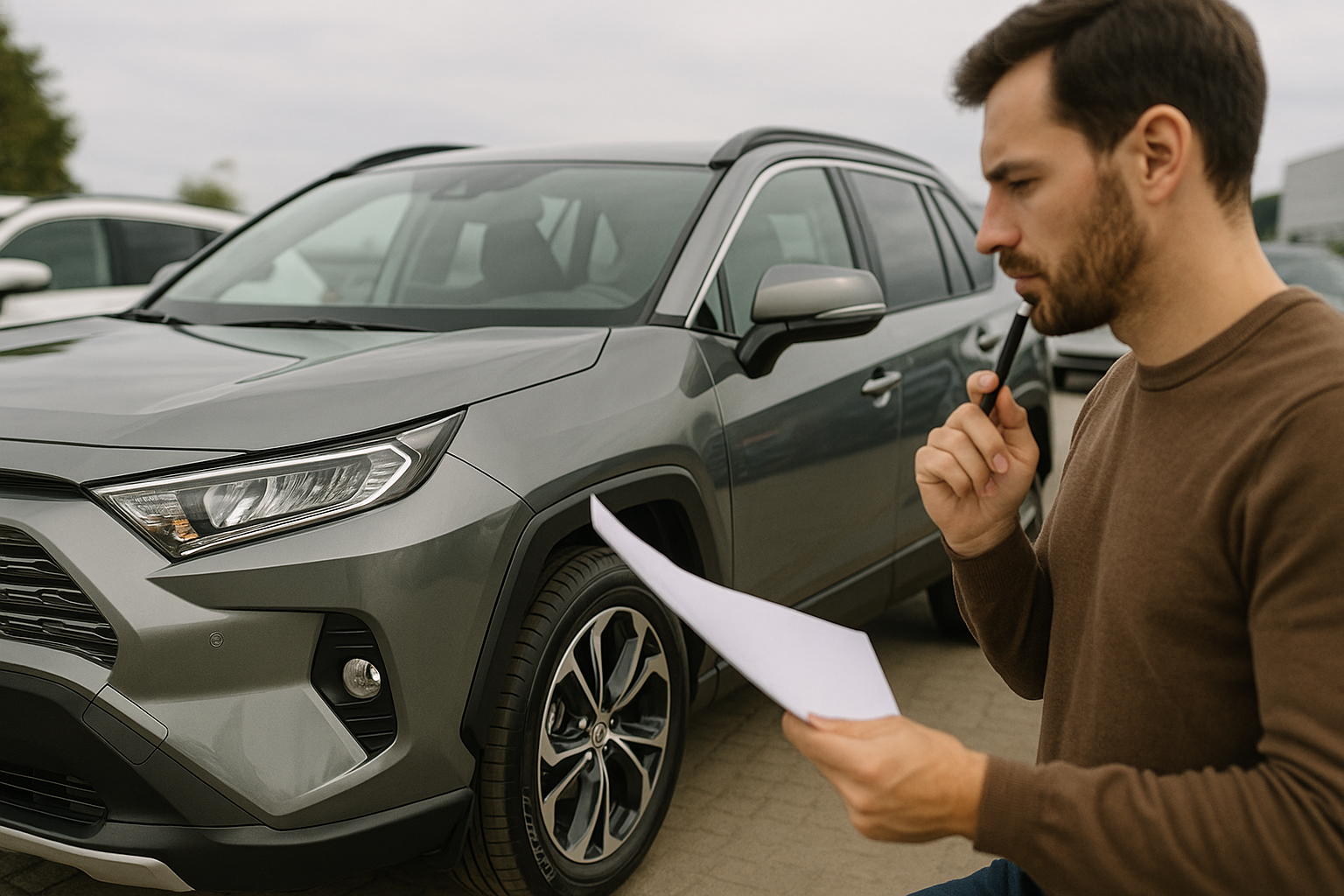
The Rise of Hybrid SUVs
As we approach 2026, the automotive landscape is rapidly evolving, with a significant shift towards sustainable and eco-friendly transportation options. Hybrid SUVs are at the forefront of this change, offering a compelling mix of efficiency and performance. For prospective buyers looking to make an informed decision, understanding the key factors before purchasing a hybrid SUV is crucial.
How Do Hybrid SUVs Work?
Hybrid SUVs use a combination of electric motors and internal combustion engines to optimize fuel efficiency and reduce emissions. By alternating between or simultaneously using both power sources, hybrid vehicles deliver improved fuel economy compared to traditional vehicles. This dual mechanism not only enhances performance but also lessens environmental impact.
Key Considerations Before Buying a Hybrid SUV
1. Fuel Efficiency and Environmental Impact
One of the primary motivations for purchasing a hybrid SUV is improved fuel efficiency. In 2026, many hybrid models offer up to 40% better fuel economy compared to their gasoline-only counterparts. According to recent studies, driving a hybrid can reduce your carbon footprint significantly, contributing positively to the environment.
- Consider models with high miles per gallon (MPG) ratings, which can be especially beneficial for reducing fuel costs over time.
- Hybrid vehicles also qualify for governmental tax incentives and rebates, which can offset initial purchase costs.
For instance, the 2026 Toyota RAV4 Hybrid boasts an impressive 40 MPG, a far cry from the typical 25 MPG of traditional SUVs on the market. [Fuel Economy Data]
2. Total Cost of Ownership
While hybrid SUVs can have a higher upfront price tag than conventional vehicles, it's crucial to consider the total cost of ownership. This includes fuel savings, maintenance, insurance, and potential resale value.
- Maintenance costs for hybrids can be lower due to fewer wear-and-tear parts, like smaller or nonexistent brake systems due to regenerative braking technology.
- Insurance rates may vary based on the model, but many companies offer discounts for eco-friendly vehicles.
- Hybrid SUVs often retain their value better in the resale market because of growing demand fueled by ecological consciousness.
A 2026 report from AAA suggests that the typical hybrid SUV owner saves up to $2,500 annually in fuel and maintenance compared to traditional SUV owners. [AAA Fuel Saving Tips]
3. Performance and Driving Experience
Another consideration is the driving experience. Hybrid SUVs like the 2026 Ford Escape Hybrid deliver a responsive and quiet ride, thanks to the electric motor. They are also equipped with cutting-edge technology for enhanced driving pleasure and safety.
- Acceleration: Hybrids provide instant torque that enhances acceleration from a complete stop.
- Noise Level: Expect a quieter cabin compared to typical gasoline models, giving a more serene drive.
- Handling: The latest hybrid models feature advanced suspension systems for improved ride quality and stability.
4. Battery Life and Warranty
A common concern with hybrid vehicles is battery lifespan and replacement costs. However, advancements in battery technology have alleviated many of these worries.
- Most manufacturers, like Toyota and Honda, provide warranties of 8-10 years or 100,000-150,000 miles on hybrid batteries.
- Battery replacement costs have decreased significantly, and many original equipment manufacturers (OEMs) now offer affordable solutions to boost long-term value.
Consumer Reports indicates that contemporary hybrid batteries can easily last 150,000 miles, offering durability comparable to or better than fuel engines. [Consumer Reports on Battery Life]
5. Model Comparison and Test Drives
With numerous options available in the hybrid SUV market, it's imperative to compare models to find one that meets your specific needs and preferences. Factors such as size, cargo space, technology features, and pricing should be considered.
- Schedule test drives for different models to get a feel for driving dynamics, comfort level, and usability of features.
- Use online resources and dealer networks for in-depth vehicle reviews and customer insights.
The Future Outlook for Hybrid SUVs
As environmental concerns continue to influence consumer behavior, the demand for hybrid SUVs is expected to rise. The transition towards hybrid and electric vehicles aligns with global sustainability goals and improved urban air quality strategies.
The year 2026 presents a pivotal time for hybrid SUVs, offering advanced technology, economic benefits, and superior performance. For those considering this investment, understanding these aspects will ensure a smart purchase, aligning with personal and environmental goals.