Kitchen Remodel Cost Guide: From Concept to Completion
Considering the total cost of a standard kitchen remodel? We break down everything you need to know about how much does a standard kitchen remodel cost from start to finish. From cabinetry to appliances, understanding the full scope helps you plan accurately.
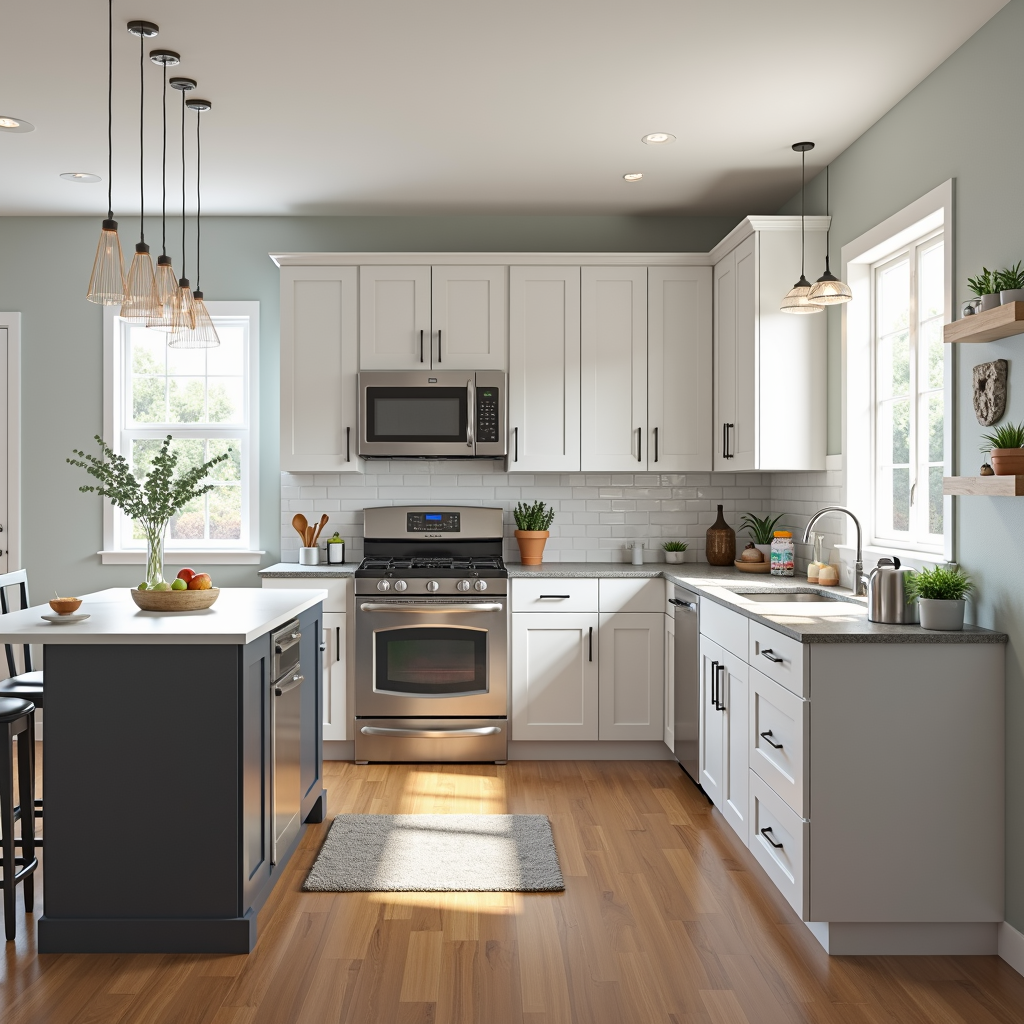
The question, "How much does a standard kitchen remodel cost from start to finish?" is perhaps the single biggest, most stressful, and most critical financial question a homeowner faces. The overwhelming complexity of the answer—because it truly depends on your vision, your existing infrastructure, and your tolerance for compromise—can feel insurmountable. The good news is that understanding the variables is the first, and most essential, step toward a solid budget. We are going to break down the cost not by a single number, but by its foundational components: the structural elements, the material selections, the labor involved, and the often-overlooked contingency funds.
Understanding the Cost Spectrum: Defining "Standard"
First, we must redefine "standard." A truly standard remodel is rarely found in a single price point. When professionals use broad estimates, they are generally classifying projects into three tiers: the Cosmetic Refresh, the Mid-Range Upgrade, and the High-End Transformation. Understanding where your project falls helps immensely in setting realistic expectations.
The Three Tiers of Kitchen Remodeling Costs
- The Cosmetic Refresh (The Budget Play): This tier focuses on surface-level changes to update the look without fundamentally changing the layout or structure. Examples include painting existing cabinetry, replacing hardware, swapping out countertops for a new material, and updating fixtures (faucets, lighting). This is usually the least expensive path, designed to achieve a fresh look while minimizing deep structural costs.
- The Mid-Range Upgrade (The Sweet Spot): This is often the most common and most balanced option. It involves updating the layout slightly, replacing cabinets and countertops, and potentially upgrading appliances. The goal here is to significantly boost functionality and aesthetics without moving into the ultra-luxury price bracket. This tier requires careful material selection to keep costs manageable while maximizing impact.
- The High-End Transformation (The Overhaul): This is the complete gut job. It includes structural changes (moving walls, adding islands), custom, high-grade cabinetry (like imported hardwoods), premium, specialized appliances, and high-end finishes (e.g., natural stone slabs, bespoke tiling). These projects provide maximum functionality and aesthetic appeal but carry a substantial financial commitment.
The Major Variables That Influence Pricing (And Why They Matter)
To build a reliable budget, you must understand which specific elements hold the most financial weight. These components are not priced in isolation; they interact, and one bad choice in one area can spiral into a much larger cost in another. We will delve into the three most impactful cost centers.
Cabinetry: The Structural Backbone
Cabinetry accounts for a significant percentage of the total budget. The cost is dictated not just by the material (plywood, particleboard, etc.) but by the construction style, the finish, and the hardware. Knowing the cabinet grade is paramount.
- Materials and Construction: The difference between basic pre-assembled cabinet boxes and truly custom, handcrafted joinery built on-site can range from 200% to 400% in cost. Look closely at the cabinet grades: solid wood frames offer longevity but are pricey; high-grade plywood offers structural strength and durability while remaining more affordable than solid woods.
- Customization vs. Semi-Custom: Semi-custom cabinets offer a great balance of customization (allowing you to choose finishes and layouts) and affordability, as they are made from modular components. True custom cabinetry, where every cut and angle is designed specifically for your space, is the most expensive but also the most tailored.
- Hardware: Don't underestimate pulls and hinges. Quality hardware (like soft-close, integrated pull mechanisms) improves the usability and longevity of the cabinets, but standard hardware can save hundreds of dollars compared to luxury brands.
Countertops and Backsplashes: Aesthetics and Endurance
Countertops are where many homeowners feel they can splurge, but they are also highly influenced by practical factors like installation complexity and maintenance.
The cost hierarchy generally follows this path: Laminate (lowest) $\rightarrow$ Solid Surface/Engineered Stone (mid-range) $\rightarrow$ Natural Stone (highest).
- Quartz: This is currently the gold standard for balancing aesthetics and cost. Quartz is highly durable, stain-resistant, and comes in designs that mimic natural stone, but without the extreme porosity or price tag.
- Granite and Marble: Natural stones offer unparalleled beauty, but they require careful sealing and can be prone to etching or staining if not properly maintained. The cost variance here is significant, depending on the type of stone and the complexity of the edges and cuts.
- Backsplashes: The choice of backsplash tile or material must complement the countertop. Using the same material (e.g., quartz slabs on the counter, and a matching quartz backsplash) is an efficient way to achieve a cohesive, high-end look while minimizing material waste.
Appliances: Performance vs. Brand
Appliances, including refrigerators, ranges, dishwashers, and ventilation systems, are critical for function. The cost is highly dependent on the brand, the feature set (e.g., smart connectivity, steam functions), and the size required.
When budgeting, remember that high-end, integrated appliances (built flush with the cabinetry, requiring specialized installation) will always cost more than standard, freestanding models. Always allocate an extra 15–20% of the appliance budget for specialized electrical hookups and ventilation needed for professional-grade ventilation hoods.
The Hidden Costs: Where Budgets Usually Fail
The most critical information for any prospective homeowner is understanding that the final cost is almost never just the sum of the visible materials. There are required, non-negotiable costs that can erode a budget if they are overlooked during the initial planning phase.
Structural and Utility Changes
If your desired remodel involves anything more than replacing surface materials, you are moving into a structural project. This means hiring licensed engineers and electricians.
- Permits and Inspections: Local building codes are strict. You will need permits for any work that alters load-bearing walls, plumbing lines, or electrical wiring. These fees are mandatory and should be budgeted upfront.
- Plumbing Relocation: Moving a sink or connecting a new dishwasher requires licensed plumbers and is one of the most costly utilities to move.
- Electrical Upgrades: Modern kitchens require more outlets, dedicated circuits for major appliances, and enhanced lighting. If your home is older, the existing electrical panel may need an entire upgrade to safely handle the load of modern appliances and lighting schemes.
Labor and Contingency: The Safety Net
Never underestimate the cost of professional labor. Good craftsmen are highly skilled, and quality labor ensures the remodel looks professional and lasts decades.
Finally, and most importantly, allocate a 15–20% contingency fund. This money is not for upgrades; it is for inevitable problems—a pipe that needs replacing when the demolition crew gets to it, a wall that is structurally weaker than anticipated, or a material cost increase due to market volatility. This fund is your financial shield.
Maximizing Value: Strategies for Budget Control
The goal of remodeling is to improve living space, not to spend every dollar you have. Here are actionable tips to keep costs contained while maintaining a high level of quality.
Design Discipline and Function First
The most costly mistake is allowing design whims to dictate the budget. Instead, center your design around the function of the room. Sketch out your ideal workflow (the "kitchen triangle": sink, stove, refrigerator) and ensure that the new layout facilitates efficiency before selecting expensive finishes.
Austerity in Materials: Consider using one high-end, statement material (e.g., a gorgeous natural stone backsplash) and pairing it with more affordable, simple materials in the other areas (e.g., semi-custom painted cabinets). This anchors the design with quality without blowing the budget.
The Power of Phasing
If the total cost feels too prohibitive, consider remodeling the kitchen in phases. For instance, Phase One could be the cosmetic refresh (new countertops and cabinet hardware), leaving the structural elements (appliances, plumbing) for Phase Two, when the funds and time are better aligned. This keeps the project manageable and reduces the initial financial shock.
Summary of Estimated Budget Ranges (2026 Estimates)
To summarize the wide range of possibilities, here is a generalized, highly variable estimate for a *standard* size kitchen remodel, based on current market analyses of 2026. These figures are meant as a directional guide and should never be treated as quotes.
| Scope of Work | Estimated Budget Range (Low-to-High) | Key Feature Included |
|---|---|---|
| Cosmetic Refresh | $15,000 - $40,000 | New paint, hardware, countertops. Minimal structural change. |
| Mid-Range Upgrade | $50,000 - $120,000 | New cabinets, mid-grade appliances, quartz counters, minor layout adjustments. |
| Full Custom Overhaul | $150,000 - $300,000+ | Custom structural changes, luxury appliances, imported hardwoods, comprehensive plumbing/electrical overhaul. |
Remember: These numbers do not include the contingency fund, which is always advised to set aside.
Ultimately, determining the true cost requires physical measurements, comprehensive contractor bids, and an intimate understanding of your personal function requirements. Take your time, prioritize your needs over the latest trends, and remember that the best kitchen is the one that improves your daily life and fits your financial reality. For the most accurate and localized pricing, always consult with at least three highly reviewed, specialized contractors who can walk you through the entire process, from initial concept to final cleanup.
Sources consulted for current market trends: National Housing Market Report (2026), Design Build Magazine Article on Kitchen Trends, and Local Building Code Authority Guidelines.