Kitchen Upgrades That Boost Home Value: What You Need to Know
Thinking about boosting your home's value? These kitchen upgrades can add significant appeal and potentially increase its market price. While every home is unique, investing in modern kitchen designs and energyefficient appliances may offer an appealing return.
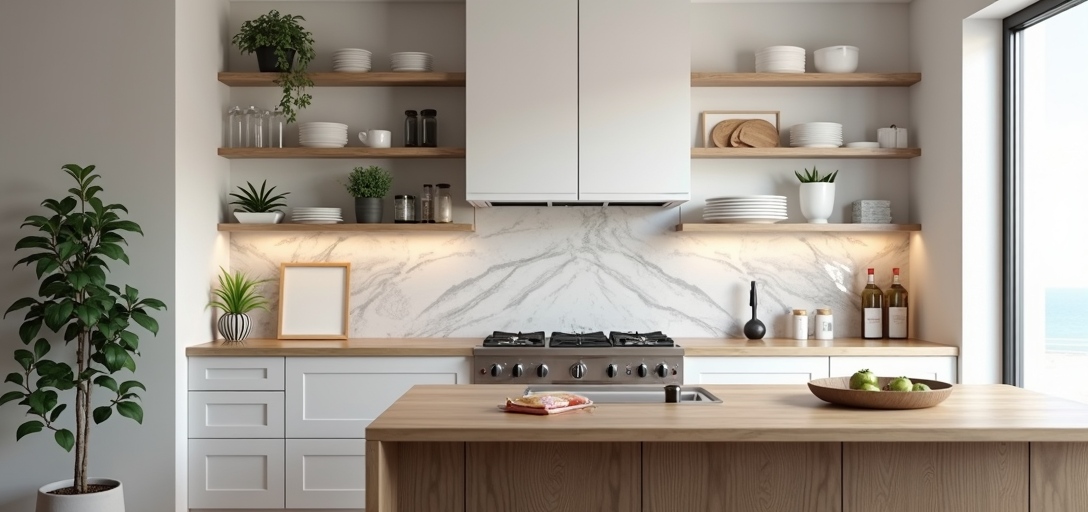
Maximizing Your Home’s Value with Strategic Kitchen Upgrades
In today’s competitive real estate market, homeowners are increasingly looking to enhance their home’s value through strategic upgrades. The kitchen, often considered the heart of the home, is one of the most impactful areas to invest in. By making targeted improvements, you can significantly boost your property’s market appeal and economic worth.
Why Focus on the Kitchen?
The kitchen is more than just a place to cook and eat; it's a central hub for family gatherings and social interaction. Buyers often prioritize kitchens when evaluating potential homes, influenced by both functionality and aesthetics. Upgrading your kitchen can offer a substantial return on investment, with some remodels recouping upwards of 70% of the costs during resale, according to a 2026 report by Remodeling Magazine.
Moreover, a modernized kitchen can make your home more appealing in lifestyle-centric neighborhoods, a growing trend observed in real estate markets across major cities such as New York, Los Angeles, and Chicago.
High-Impact Kitchen Upgrades
- Cabinetry and Storage: Upgrading cabinets can transform the entire look of your kitchen. Consider refacing or repainting existing cabinets for a fresh appeal, or invest in custom cabinetry for added functionality. Integrated storage solutions like pull-out shelves or pantry organizers can enhance usability.
- Countertops: Materials like quartz and granite remain popular due to their durability and luxurious appearance. Opting for these surfaces can increase the perceived value of your kitchen significantly.
- Appliances: Energy-efficient appliances are not only environmentally friendly but also attractive to modern buyers who are conscious of utility costs. Updates to smart, stainless-steel appliances can be particularly enticing.
- Lighting: Consider installing layered lighting that accommodates different activities. Under-cabinet lighting, pendant lights over islands, and smart bulbs can create an inviting ambiance.
- Open Concept Design: If your kitchen feels cramped, removing a non-load-bearing wall to create an open floor plan can make your home feel more spacious. This openness can greatly enhance your living space's appeal.
Budgeting and Planning Your Remodel
Establishing a realistic budget is crucial for any kitchen upgrade. Begin by researching average cost guidelines for specific updates you’re considering. According to HomeAdvisor, the average kitchen remodel in the US costs between $12,500 to $35,000 in 2026, with the total cost varying based on the extent of changes and the quality of materials selected.
Steps for Successful Kitchen Remodeling
- Research and Planning: Begin by gathering inspiration from home and kitchen design magazines, online portfolios, and social media platforms like Instagram and Pinterest.
- Set a Timeline: After budgeting, plan the timeline for your renovations. Ensure you allow for setbacks and delays, common in home improvements.
- Hire Professionals: While DIY projects can be cost-effective, hiring skilled professionals ensures quality workmanship, especially for complex tasks like plumbing or electrical work.
- Permits and Codes: Check local regulations to ensure you obtain necessary permits and adhere to building codes. This can prevent costly fines and scrutiny during resale.
Evaluating Return on Investment
To evaluate the potential return on investment (ROI) of your kitchen upgrades, consider using tools like Zillow's House Value Estimator. On average, kitchen remodels tend to provide high ROI compared to other home improvements. However, the actual value realized can vary based on factors such as location, real estate trends, and buyer preferences at the time of sale.
Case Studies and Real-World Examples
Consider the example of a Denver homeowner who invested $20,000 into kitchen upgrades, focusing on modern appliances, cabinetry refinishing, and improved lighting fixtures. When listing the home, they received offers that were $50,000 higher than similar listings, showcasing the potential impact of well-planned kitchen improvements.
Conclusion
Investing in kitchen upgrades is a savvy strategy for boosting your home’s value while enhancing daily living. By focusing on high-impact areas such as cabinetry, countertops, and lighting, you can ensure that your kitchen not only meets your needs but also aligns with current market demands. For homeowners in the US looking to maximize their property’s appeal, strategic kitchen upgrades are a worthwhile consideration.
For further reading, you can explore reports from Remodeling Magazine and resources from HomeAdvisor which detail current trends and investment returns in kitchen remodeling.