Lexus to Transition SUV Lineup to Hybrid-Only Powertrains by 2027
Lexus is planning a bold shift in 2027, transitioning several of its SUV models to hybridonly powertrains. This move aligns with the industry's growing focus on sustainability and advanced technology.
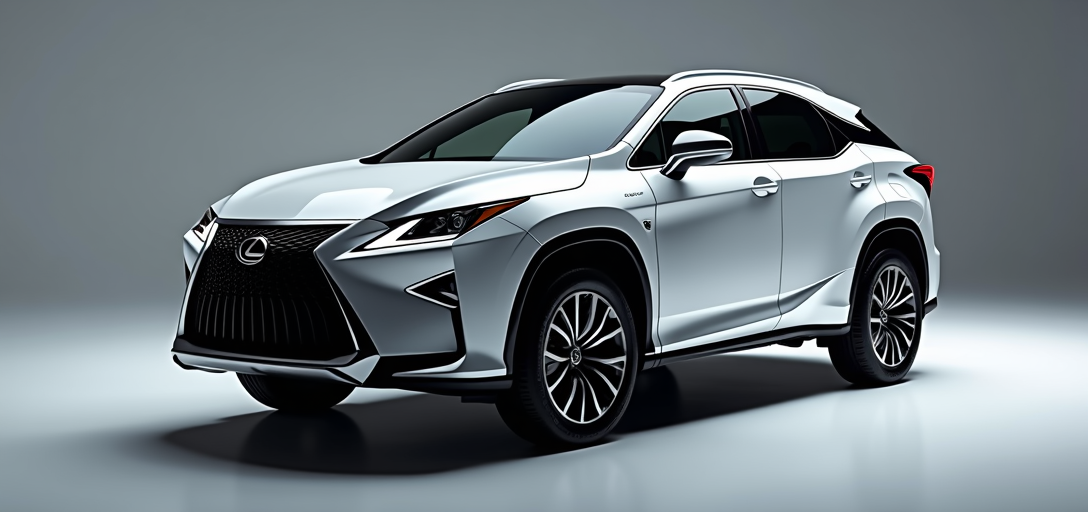
Lexus's Commitment to Sustainability: Moving to Hybrid-Only Powertrains
In a bold move towards sustainability and reduced carbon emissions, Lexus has announced that by 2027, several of its SUV models will exclusively feature hybrid powertrains. This decision aligns with Lexus's broader strategy and the automotive industry's trend towards greener technology. As electric vehicles (EVs) and hybrids become more mainstream, consumers are increasingly interested in understanding what these changes mean for their future transport options.
The SUVs Transitioning to Hybrid-Only
The shift to hybrid-only powertrains includes some of Lexus’s most popular SUV models. These include the Lexus RX, NX, and GX models. These vehicles have consistently been best-sellers for Lexus in the United States due to their premium features, reliable performance, and luxurious comfort.
- Lexus RX: Known for its smooth ride and luxurious interiors, the RX will continue to offer these features with enhanced fuel efficiency thanks to its new hybrid engine.
- Lexus NX: With its compact yet spacious design, the NX appeals to urban drivers seeking a combination of luxury and practicality. The hybrid model promises to maintain performance while reducing environmental impact.
- Lexus GX: For those needing more robust capabilities, the GX's transition to a hybrid engine will offer a balance of power and eco-friendliness without compromising on its ruggedness.
Why Hybrid-Only? The Rationale Behind Lexus’s Decision
Lexus's decision fits into a wider strategy to achieve carbon neutrality. In the context of increasing regulatory pressures and consumer demand for sustainable driving options, Lexus's steps reflect a proactive approach. Here are some key reasons driving this change:
- Regulatory Compliance: With stringent emissions targets set by administrations and environmental bodies globally, automotive manufacturers must innovate to meet these demands.
- Consumer Demand: Surveys from 2026 indicate that 67% of new car buyers in the US consider environmental impact when purchasing a vehicle (Source: Consumer Reports).
- Technological Advancements: Improvements in battery technology and hybrid systems make it increasingly viable to offer vehicles with impressive ranges and performance that rival traditional combustion engines.
How Does a Hybrid Powertrain Work?
Understanding how hybrid powertrains function helps clarify their advantages. A hybrid vehicle typically combines an internal combustion engine with one or more electric motors. This combination allows for various operational modes:
- Electric Only: The vehicle operates exclusively on electric power, ideal for short commutes and urban driving.
- Hybrid Mode: Both the electric motor and the combustion engine work together to optimize power and efficiency.
- Engine Only: The combustion engine powers the vehicle, typically during highway driving when efficiency at speed takes precedence.
By combining these power sources, hybrids reduce fuel consumption and emissions, a crucial factor in today's drive towards greener cities.
The Benefits of Choosing a Hybrid SUV
Opting for a hybrid SUV brings numerous advantages, aligning with personal, economic, and environmental goals:
- Fuel Efficiency: Hybrid SUVs are designed to maximize fuel usage, offering drivers substantial savings at the pump. According to a recent AAA report, hybrid vehicles consume approximately 30–50% less fuel compared to traditional combustion engines.
- Environmental Impact: By cutting down on fossil fuel reliance, hybrids significantly lower greenhouse gas emissions. This aligns with the US's environmental targets for reducing national carbon footprints (Source: Environmental Protection Agency).
- Reduced Maintenance Costs: The dual systems in hybrids often mean less wear and tear. For instance, regenerative braking systems help prolong the life of the brake components.
The Future Outlook for Hybrid Vehicles in the US
The automotive landscape in the United States is shifting rapidly in favor of hybrids and electric vehicles. Industry forecasts suggest that by 2030, hybrids will account for over 25% of all vehicles on the road, reflecting a significant consumer shift towards sustainable options. This transition is fueled not just by environmental awareness but also by advancements in automotive technology making hybrid vehicles more accessible and practical.
Challenges and Considerations
While the benefits are substantial, consumers should be aware of certain challenges associated with hybrid vehicles:
- Initial Cost: Hybrid vehicles often come with a higher sticker price due to advanced technology, although federal and state incentives can help offset these costs.
- Battery Life and Replacement: While hybrids are built to last, eventual battery replacement can be costly. However, many manufacturers, including Lexus, offer extensive warranties on hybrid components.
- Availability of Infrastructure: Although less reliant on charging infrastructure than full EVs, urban and suburban areas are seeing increased investments in hybrid-friendly services and infrastructure.
Conclusion: Embracing a Hybrid Future
Lexus's strategic shift to hybrid-only powertrains for their SUV models underscores their commitment to sustainability and innovation. As consumers navigate the evolving automotive market, understanding the benefits and considerations of hybrid technology becomes essential. With advancements in technology and supportive policies, hybrid SUVs represent a tangible step towards a cleaner, more efficient future on America's roads.