Living Alone: 3 Subtle Depression Symptoms You Should Never Overlook
Living by yourself offers independence, but it can also bring hidden challenges. Discover three subtle signs of depression you should be aware of if you're living by yourself. Learn how changes in mood, energy levels, and social interactions might hint at underlying issues.
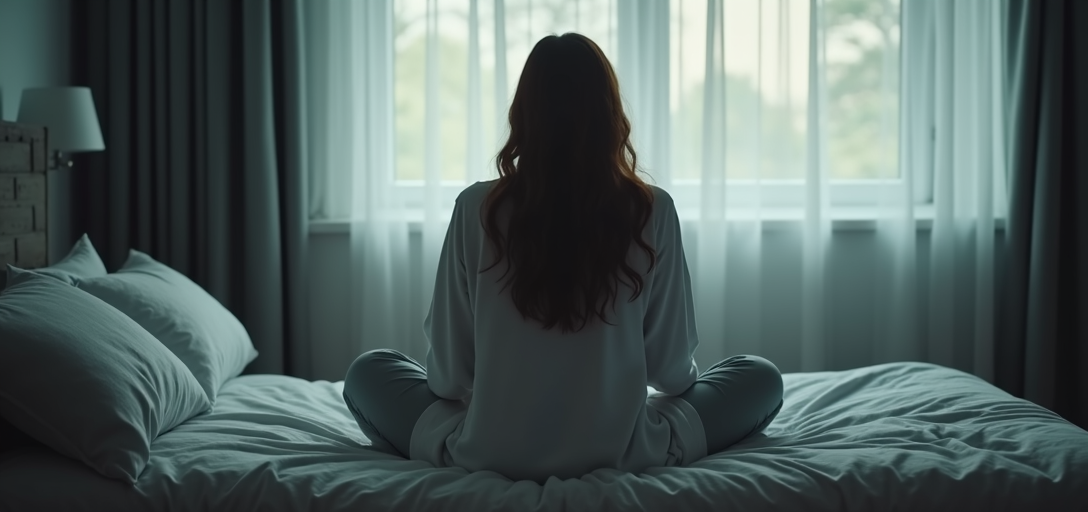
Understanding Depression: A Closer Look at its Quiet Signs
Living by yourself can be enriching and empowering, yet it can also pose unique challenges, particularly when it comes to mental health. Depression can manifest subtly, often going unnoticed until it profoundly impacts one's life. It is crucial to recognize these quiet signs early, especially when living alone, to seek timely support and treatment.
The Importance of Recognizing Quiet Signs of Depression
Depression affects over 21 million adults in the United States, according to recent data from the National Institute of Mental Health (NIMH). Understanding its quiet signs is vital for early intervention and improving mental health outcomes. Many people living by themselves may dismiss or overlook these symptoms, attributing them to the stresses of daily life. However, recognizing these signs early can prevent worsening conditions and lead to healing pathways.
Sign 1: Changes in Sleep Patterns
One of the first indications of depression is often changes in sleep patterns. This may include insomnia, oversleeping, or a combination of both. These disruptions can significantly impact daily functioning and mental wellbeing. According to the American Sleep Association, irregular sleep patterns can worsen feelings of depression, creating a cycle that is hard to break.
For example, Sarah, a 32-year-old graphic designer living alone in New York City, noticed she was waking up several times during the night, unable to fall back asleep. At first, she attributed this to work stress, but as the months went by, she recognized that her inability to maintain consistent sleep was part of a larger, underlying issue.
Sign 2: Loss of Interest in Activities
Losing interest or pleasure in activities you once enjoyed is an often-overlooked sign of depression. This symptom, known as anhedonia, can cause individuals to withdraw from social activities, hobbies, and even day-to-day responsibilities.
- Have you found yourself saying ‘no’ to invitations more often than usual?
- Do hobbies that once excited you now feel burdensome?
These can be subtle indicators of underlying depression. In a 2026 study published in the Journal of Clinical Psychology, researchers found that 40% of individuals reported a noticeable decrease in the enjoyment derived from their hobbies during an oncoming depressive episode.
Sign 3: Unexplained Physical Symptoms
Physical symptoms, such as persistent fatigue, body pains, or digestive issues, can also serve as quiet indicators of depression. Often, individuals living alone may not connect these physical symptoms to mental health, instead considering them just physical ailments.
Consider how regular headaches or a persistent stomachache might actually be linked to psychological stress or depression. Reliable sources, like the Mayo Clinic, stress the importance of viewing such physical symptoms in conjunction with emotional wellbeing.
Practical Steps for Addressing These Signs
Building a Supportive Environment
Living alone doesn't have to mean dealing with challenges alone. Building a network of friends, family, and professionals who support you can make a significant difference. If you recognize these signs, reaching out to a trusted friend or relative can provide emotional relief and guidance.
Seeking Professional Help
Consulting with mental health professionals is a crucial step. Therapists and counselors can offer strategies to cope with depression and help identify its root causes. Teletherapy has become increasingly accessible, providing an opportunity to connect with healthcare providers from the comfort of your home.
Implementing Lifestyle Changes
Simple lifestyle adjustments can help mitigate symptoms of depression:
- Regular physical activity, such as walking or yoga, can have a positive effect on mental health.
- Maintaining a balanced diet contributes significantly to emotional and physical wellness.
- Establishing a consistent sleep routine can aid in regulating your mood.
Conclusion
Recognizing the quiet signs of depression when living by yourself is crucial for maintaining overall health and well-being. By understanding and addressing these signs early, you can nurture a path towards recovery and a more fulfilling life. If you or someone you know is exhibiting these symptoms, seeking support and professional guidance is a vital step towards healing.
For more information, consider visiting trusted resources like the National Institute of Mental Health and the Mayo Clinic.