Master Remote Control: Manage Your Smart Plug Anytime, Anywhere
Discover the convenience and security of managing devices remotely with a smart plug. Whether you're on vacation or busy at work, learn simple steps to control a smart plug when away from home.
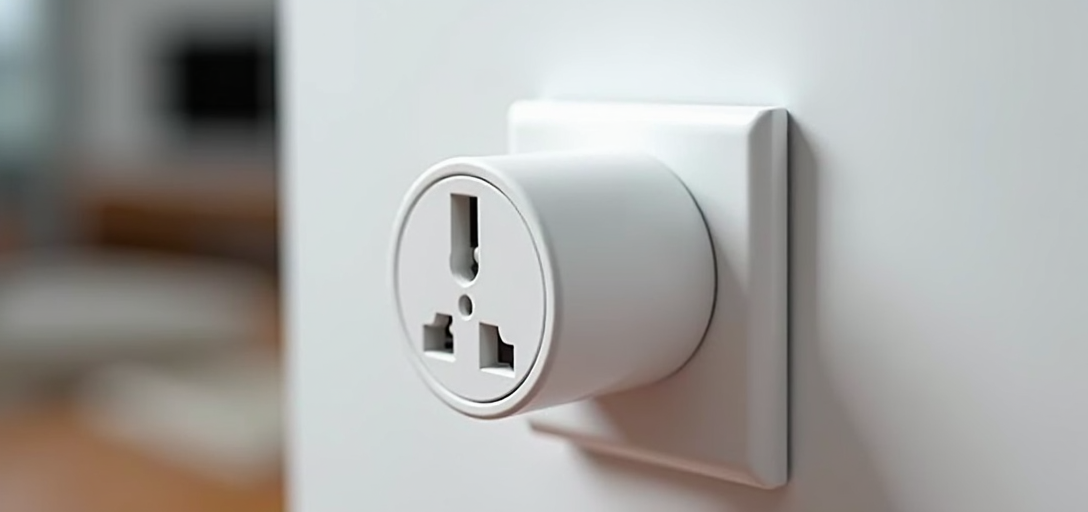
Understanding Smart Plugs
In today's connected world, smart plugs offer a leap into easy home automation. These compact devices enable you to control electrical outlets remotely using a smartphone or a voice assistant. Whether you're looking to enhance security, save energy, or simply manage your devices on-the-go, smart plugs are a versatile tool for modern homes.
Benefits of Using Smart Plugs
Smart plugs are simple devices offering significant benefits:
- Remote Control: Turn devices on and off from anywhere in the world using an app.
- Energy Efficiency: Track energy usage and schedule appliances to run only when necessary.
- Home Security: Create an appearance of occupancy to deter burglars by scheduling lights or other devices.
- Convenience: Automate daily tasks, like starting a coffee maker in the morning.
How Do Smart Plugs Work?
Smart plugs connect to your home Wi-Fi network, enabling communication with your smartphone or a smart home hub. When you send a command via an app, it relays the signal through the internet to the plug, thereby controlling the connected device.
This is powered by the Internet of Things (IoT), a network of interconnected devices that communicate with each other, often via cloud services.
Setting Up Your Smart Plug for Remote Control
Choosing the Right Smart Plug
Begin by selecting a smart plug that best suits your needs. Popular brands include TP-Link, Wemo, and Amazon's Smart Plug, all of which are widely available in the US. Look for compatibility with your existing systems, like Google Home or Amazon Alexa, and features like energy monitoring or scheduling.
Installing Your Smart Plug
Installation is generally straightforward. Plug the device into an outlet and connect it to your Wi-Fi network through the manufacturer's app. Ensure that your Wi-Fi signal is strong where the plug is located.
Configuring for Remote Access
After setup, configure your app settings to facilitate remote access. Ensure your smartphone always has an internet connection (3G, 4G, or 5G) to operate the smart plug when you're not home.
Automating Your Home with Smart Plugs
Use the scheduling feature to automate devices, such as scheduling your lamps to turn on at sunset or your radio to play music in the morning. Many apps offer integration with IFTTT (If This Then That), allowing complex automation across different devices and services.
Getting the Most Out of Your Smart Plugs
- Energy-Saving Tips: Use the app to analyze power consumption and make adjustments, such as powering off standby devices. According to the U.S. Energy Information Administration, optimizing energy usage can save households approximately 10% annually on electric bills.
- Integrating with Voice Assistants: Pair your smart plug with Alexa or Google Assistant. Commands like "Alexa, turn on the living room lamp," offer hands-free operation.
- Creating Scenes: Group devices to operate simultaneously with a single command, like dimming lights and turning on a fan for relaxation mode.
Challenges and Solutions in Using Smart Plugs
Common Issues
Despite their convenience, users may face issues such as weak Wi-Fi signals, device compatibility, or software glitches. Ensure you have a robust Wi-Fi coverage or consider using extenders to eliminate dead spots.
Troubleshooting Tips
If the smart plug disconnects frequently, ensure your app is up to date and the device firmware is current, as manufacturers release updates frequently to fix known bugs. Additionally, resetting the device and re-pairing it often resolves connectivity issues.
The Future of Smart Plugs and Home Automation
As IoT technology advances, smart plugs are becoming more sophisticated, with greater energy management features and enhanced AI-driven automation. By 2026, it’s projected that over 70% of homes in the US will have some form of smart automation, says a report by Digital Market Insights.
Endless Possibilities
Imagine a fully interconnected system where your appliances communicate to optimize energy efficiency, security, and convenience seamlessly. Smart plugs are merely a gateway to a broader smart home ecosystem, including smart lighting, heating, and even smart kitchen appliances.
Conclusion
Smart plugs are excellent entry points into home automation, offering significant benefits in energy efficiency, security, and convenience. As technology continues to grow, integrating these devices will be crucial for modern homes. Embrace the autonomy offered by smart technology and transform your living space into a futuristic smart home.
For more tips and guides about smart home technology, visit resources like TechRadar and CNET.