Mastering Game Skin Trading: A Real Guide to Success
Uncover the secrets of game skin trading and boost your trading skills with our expert tips. From understanding market trends to finding the best places to trade, this guide covers essential strategies to enhance your trading experience.
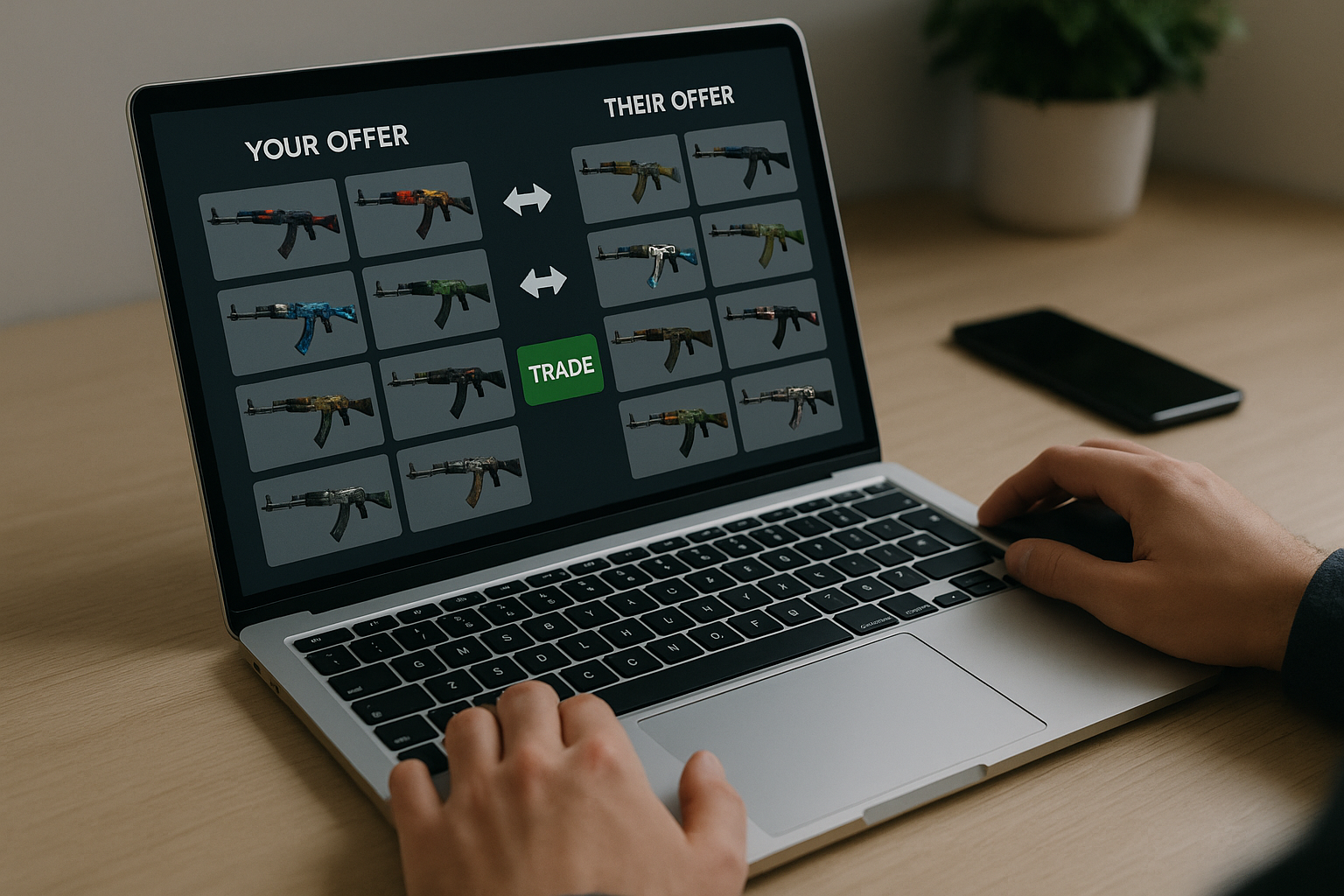
Understanding Game Skin Trading
Game skin trading has rapidly grown in popularity due to the rise of esports and online gaming communities. Skins are cosmetic items that change the appearance of in-game weapons, characters, or other items without affecting gameplay. While they don't offer a tactical advantage, they hold substantial cultural and monetary value within the gaming community.
What Makes Skins Valuable?
The value of a game skin is influenced by several factors. Rarity is perhaps the most significant factor; skins that are limited edition or hard to obtain tend to be more valuable. Brand association, such as a collaboration with a popular artist or esports team, can also increase a skin's value. Additionally, aesthetics matter—the more visually appealing or unique a skin is, the more coveted it can become.
How to Get Started in Game Skin Trading
Learning the Basics
Before diving into skin trading, it's critical to understand the marketplace. The most popular platforms for trading skins include Steam Community Market and third-party sites like Bitskins or CS.MONEY. Familiarize yourself with how these platforms work, their fee structures, and their trustworthiness.
Setting Up Your Trading Account
To start trading, you’ll need to set up an account on your chosen platform. On Steam, for instance, this involves creating a Steam account, adding funds, and understanding the marketplace's rules and regulations. Make sure your account settings allow trading and that you've activated Steam Guard for added security.
Strategies for Successful Skin Trading
Research and Market Analysis
Just like with any market, knowledge is power. Keep an eye on skin prices and understand what influences these changes. Use tools like CSGO Analytics to track price trends and identify when to buy or sell. Being part of gaming forums can provide insights into upcoming game changes that might affect skin value.
Safe Trading Practices
Always use secure trading platforms and avoid private trades unless you trust the other party. Be cautious of scams; common tactics include fake accounts or phishing attempts. It's wise to keep trades within platforms like Steam where there’s some level of protection against fraud.
- Verify the legitimacy of any trading partner or platform.
- Check the history of skin ownership to ensure its authenticity.
- Use an escrow service for high-value trades when possible.
The Economic Impact of Game Skins
The gaming industry is a multi-billion-dollar market, with skin trading contributing a significant portion. According to a report from Newzoo in 2026, the in-game purchase market, including skins, surpassed $54 billion globally. As more games adopt in-game item sales, the opportunity for trading will only grow.
The Legal Landscape
Regulations around skin trading can vary. In some jurisdictions, it’s considered gambling, which can limit younger players' participation. It's crucial to understand your local laws regarding virtual item trading and any tax implications.
Real-World Examples of Successful Traders
Many individuals have turned skin trading into a lucrative endeavor. Consider the story of a teenager from the UK who reportedly turned his skin trading hobby into a six-figure income. By meticulously studying market trends and acting quickly during in-game events when skin values soared, he was able to capitalize on his efforts effectively.
Future Trends in Skin Trading
Integration with Blockchain Technology
One rising trend in the industry is the use of blockchain technology to verify the uniqueness and ownership of game skins. By leveraging blockchain, gamers can ensure their skins are unique, trace their history, and prevent fraud. Platforms like Enjin are at the forefront of integrating blockchain tech with gaming.
Expanding into New Games and Metaverses
As the concept of the metaverse gains traction, skin trading is likely to expand beyond traditional games into broader digital environments where users will trade not just items, but also experiences and virtual real estate.
Conclusion
Game skin trading offers a dynamic way to engage with the gaming community while potentially profiting. By staying informed about market trends, practicing safe trading, and understanding the legal landscape, you can effectively participate in this expanding field. Whether it's for financial gain or simply enhancing your gaming experience, mastering the art of skin trading can be a rewarding pursuit.
For those interested in exploring further, reputable sources like Newzoo and CSGO Analytics provide more detailed insights into the gaming industry.