Maximizing Medicaid HCBS Benefits for Accessible Bathroom Modifications
Discover how Medicaid HCBS home modification benefits can make bathrooms safer and more accessible. Learn about the extent of assistance available and explore options for creating a more accommodating environment at home.
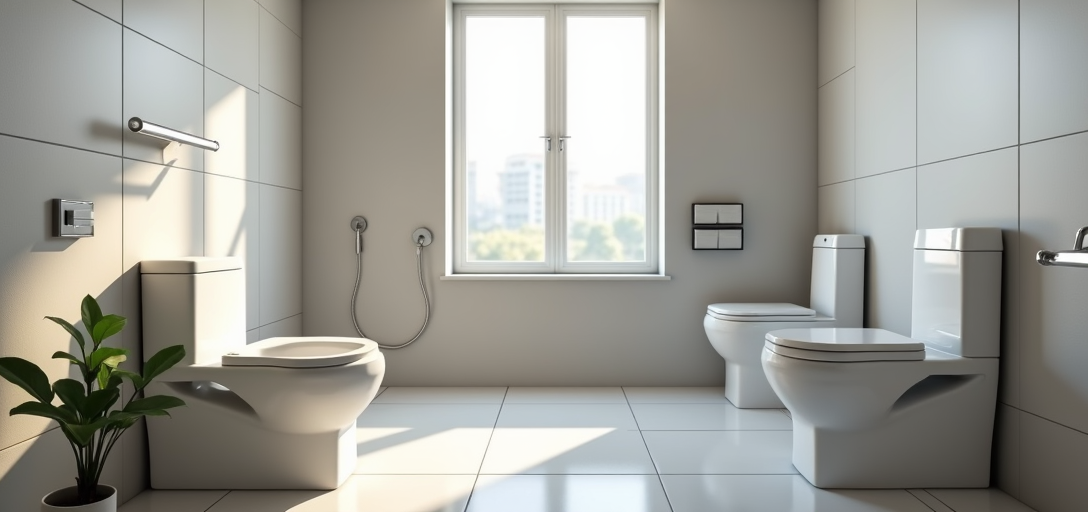
Understanding Medicaid HCBS Home Modification Benefits
Medicaid Home and Community-Based Services, commonly known as HCBS, provide vital support to individuals with disabilities and seniors seeking to receive care at home rather than in institutional settings. One important aspect of these services is the home modification benefits that make essential alterations in homes, such as accessible bathrooms, possible.
What Are Medicaid HCBS Home Modifications?
Home modifications under Medicaid HCBS refer to environmental modifications that ensure safety and accessibility for individuals with significant healthcare needs. These changes might encompass anything from widening doorways to installing grab bars or creating roll-in showers.
- Eligibility: To qualify for these benefits, individuals typically need to be part of a Medicaid waiver program specifically designed for their needs.
- Approval Process: A formal assessment of needs, usually by healthcare professionals or a case manager, is required. This evaluation determines what modifications are necessary for a safer, independent living experience.
The Importance of Accessible Bathrooms
Bathrooms are often rated as one of the most dangerous areas in the home for individuals with mobility challenges. According to the National Council on Aging, one-third of seniors experience a fall each year, often leading to severe injuries. Accessible bathroom modifications aim to reduce these risks. Transformations might include:
- Installation of grab bars for better support and balance.
- Conversion of bathtubs into walk-in showers to eliminate the need to step over high ledges.
- Adding non-slip flooring to prevent falls.
- Installing higher toilets with handrails for easier sitting and standing.
How to Access Medicaid HCBS Home Modification Benefits
Accessing these benefits requires navigating Medicaid's specific waiver programs. While each state within the U.S. administers its own Medicaid programs, some steps remain consistent nationwide:
Initial Steps
Firstly, determine eligibility by consulting with your state's Medicaid office or a professional case manager. Evaluations typically consider both income and health-related needs. Physicians or specialists will often need to provide a health assessment to support the request for home modifications.
Filling Applications
Once eligibility is confirmed, the application for a home modification waiver program will need to be completed. This process can vary between states; for example, what is applicable in California may differ from New York. The application should detail the requested modifications and provide justification for each one. Proper documentation can streamline approval and ensure necessary modifications are adequately covered. Consulting with a Medicaid planning professional can be beneficial here.
Recent Developments in 2026
In 2026, Medicaid has continued to expand its support for HCBS as states increasingly adopt the Money Follows the Person (MFP) program, attracting additional funding for home-based care. According to recent statistics from the National Resource Center for Participant-Directed Services, approximately 7 million individuals benefit from HCBS, with a significant number utilizing home modification services (ref: NRCPDS).
Technological Advances
The integration of smart technology into home modifications is gaining traction. Innovations such as voice-activated systems and smart home devices are playing a pivotal role in enhancing accessibility for Medicaid recipients.
Impacts of Policy Changes
With ongoing discussions at federal and state levels, there has been a push for policies supporting more expansive and easily accessible Medicaid HCBS benefits. Advocacy groups continue to stress the importance of funding reforms to meet growing needs, citing improvements in quality of life and cost savings compared to institutional care (source: Kaiser Family Foundation).
Benefits and Challenges
The benefits of implementing home modifications through the Medicaid HCBS are manifold, offering individuals greater autonomy and reducing the risk of injury. However, there are challenges worth mentioning:
- Funding Limitations: Despite expansions, funding caps can limit the extent of modifications available.
- Variation Across States: The diversity in state-administered programs means benefits and application processes can differ considerably.
- Lengthy Approval Timelines: The process from application to implementation can be prolonged, necessitating patience and persistence from applicants.
Conclusion and Future Outlook
Medicaid HCBS home modification benefits represent a critical lifeline for those requiring enhanced accessibility within their homes. As policy and technology evolve, these modifications will likely become increasingly sophisticated and accessible. Stakeholders, from healthcare providers to policymakers, are expected to continue advocating for improved accessibility and funding, crucial for an aging population with diverse needs.
Staying informed and proactive in seeking these benefits can profoundly impact the quality of life for individuals and their families in the United States.