Maximizing Support: How to Access Baby Supply Assistance Programs
Explore a variety of baby supply assistance programs designed to support families in need. From diapers to formula, learn about options available and how to apply. Discover community resources that can help ease the financial burden of essential baby supplies.
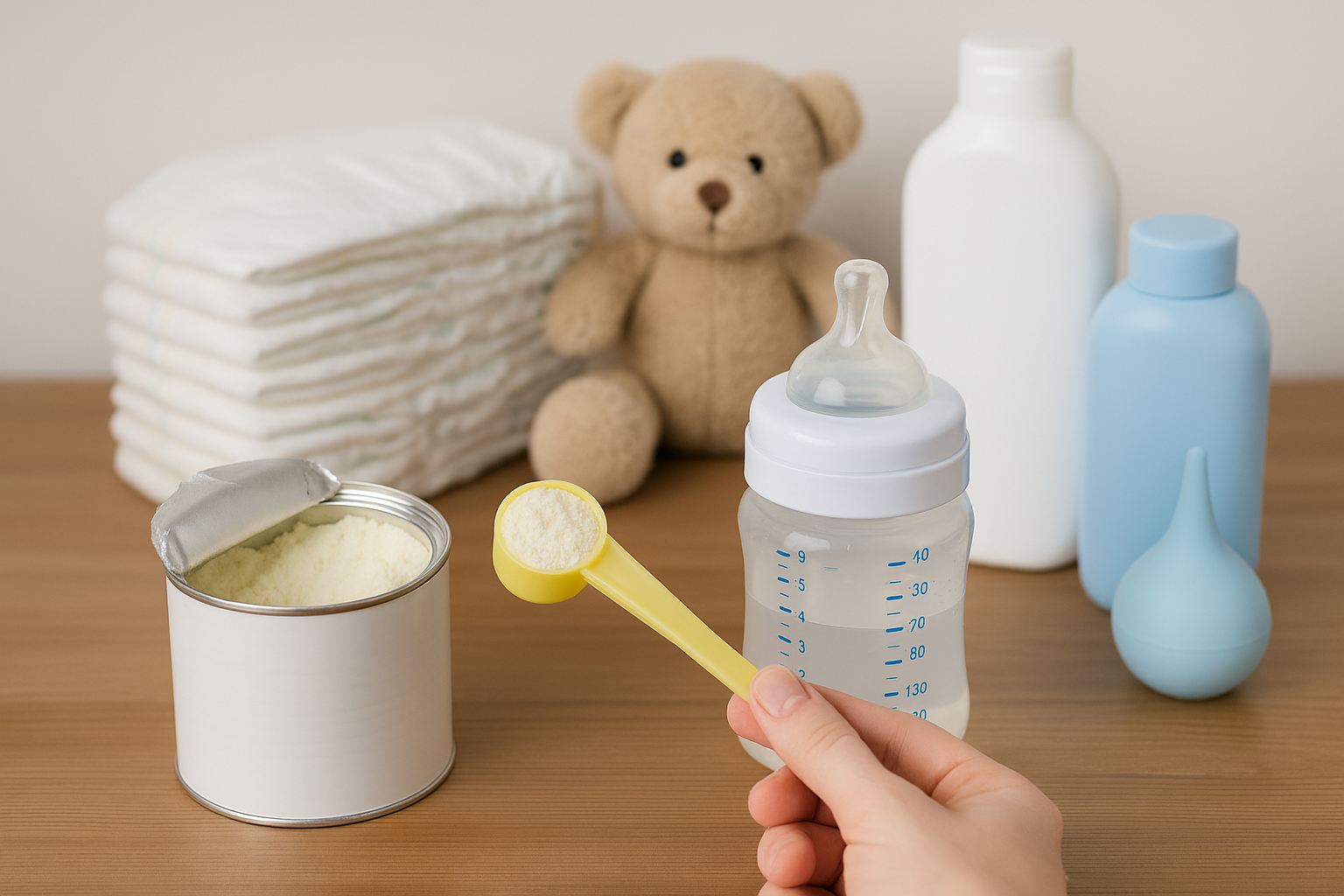
Understanding Baby Supply Assistance Programs
Welcoming a new baby into your life is an exciting yet challenging experience, especially when it comes to managing expenses. Baby supply assistance programs are designed to help ease the financial burden for families, ensuring that every child has access to essential items like diapers, formula, and clothing.
In recent years, the increasing cost of living has highlighted the importance of these programs, with more families seeking assistance than ever before. According to a 2026 report by the National Diaper Bank Network, the need for diaper assistance alone has increased by approximately 20% since 2023.
What Are Baby Supply Assistance Programs?
Baby supply assistance programs are initiatives often run by non-profit organizations, community centers, or government agencies. They provide essential baby supplies to families in need, often free of charge or at a minimal cost. These programs aim to support families by reducing the financial pressure associated with raising a child, particularly during the first few years.
These programs typically offer a range of supplies, including but not limited to:
- Diapers and wipes
- Infant formula and baby food
- Clothing and blankets
- Baby gear such as strollers and car seats
- Educational resources and support services
Who Qualifies for Assistance?
Eligibility for baby supply assistance programs varies depending on the specific organization or agency. However, there are common criteria that many programs consider, which include:
- Income level: Most programs are aimed at low-income families, and applicants may need to provide proof of income to qualify.
- Family size: Larger families may have higher eligibility thresholds due to increased need.
- Special circumstances: Single parents, foster families, or households with children who have special needs may receive prioritized assistance.
It’s essential to check with individual programs to understand their specific eligibility requirements, as these can differ significantly.
Where Can You Find These Programs?
Finding a suitable baby supply assistance program can be straightforward if you know where to look. Here are some resources to get started:
- Local Community Centers: These are often the first places to check, as they might run their own programs or have partnerships with non-profit organizations.
- National Organizations: Networks like the National Diaper Bank Network provide comprehensive lists of local diaper banks and programs nationwide.
- Government Assistance Programs: Programs such as WIC (Women, Infants, and Children) offer nutritional support and referrals to other social services, which include baby supplies.
- Online Platforms: Websites like Baby2Baby are great for finding assistance programs and information on how to get involved.
How to Apply and What to Expect
Once you've identified a suitable program, the application process generally involves providing some basic information about your household, including income details and family composition. Here’s what you can typically expect:
- Application Form: Most programs require you to fill out an application form either online or in-person.
- Documentation: Be prepared to provide documents such as tax returns, pay stubs, or proof of government assistance to verify your financial situation.
- Initial Screening: Some programs may have a preliminary screening process to immediately identify if you qualify for emergency aid.
- Approval and Distribution: Upon approval, you will receive details on where and how to collect your supplies, whether through pickups, deliveries, or monthly distributions.
Application processes can vary, so it's crucial to contact the organization directly if you have any questions or if you require assistance in completing the application.
The Impact of Baby Supply Assistance Programs
Baby supply assistance programs do more than provide tangible support; they positively impact families' overall well-being. Studies show that alleviating the financial burdens of basic supply needs drastically reduces stress and improves the mental health of parents, allowing them to focus more on nurturing and bonding with their newborns.
Furthermore, these programs foster community spirit and involvement, bringing together volunteers and donors to support families. By participating in or contributing to these programs, individuals can make a significant impact on local families' lives.
Challenges and Future Prospects
Despite their benefits, baby supply assistance programs face challenges such as limited resources and increased demand. However, the future looks promising with growing awareness and advocacy for expanded funding and resources. Organizations are also exploring innovative solutions like online distribution models and partnerships with major retailers to broaden reach and efficiency.
As awareness of these programs increases, there is hope that they will become more robust and comprehensive, addressing even more needs of families across diverse communities. The involvement of both the private sector and policy-makers will be crucial in expanding the scope and impact of these life-saving programs.