Maximizing Value: A 2026 Guide to Buying Used Workshop Equipment for Fleet Garages
Looking to upgrade your garage without breaking the bank? Our 2026 value guide explores the benefits of investing in used workshop equipment for fleet garages. Discover key factors to consider when selecting quality tools that fit both your needs and budget.
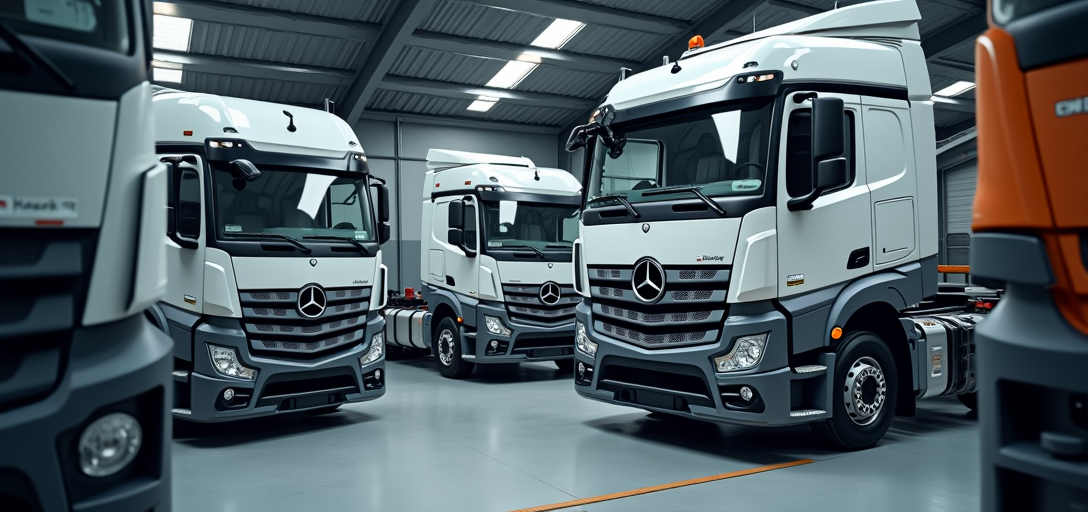
Understanding the Importance of Buying Used Workshop Equipment for Fleet Garages
Fleet garages rely heavily on specialized equipment to perform maintenance and repairs efficiently. The decision to invest in used workshop equipment can be both economically sound and operationally beneficial. However, it's crucial to have an understanding of the market trends, equipment value, and potential risks involved in buying used machinery.
This comprehensive guide aims to answer the common questions potential buyers might have when considering used workshop equipment for their fleet garages. Armed with this knowledge, you can make informed decisions that align with your garage’s needs and budget.
What Types of Workshop Equipment Are Commonly Available Used?
The market for used workshop equipment is vast, with a range of tools and machines that suit various needs. Common types of used equipment include:
- Vehicle Lifts: Essential for undercarriage inspections and repairs, used vehicle lifts can be significantly cheaper yet still reliable. From two-post to scissor lifts, options vary based on garage space and vehicle types handled.
- Air Compressors: Widely used for powering pneumatic tools, buying used air compressors can result in substantial savings, provided their operational history and maintenance records are reviewed.
- Diagnostic Tools: With technology constantly evolving, used diagnostic tools can offer cost-effective solutions for garages, especially those focusing on older vehicle models.
- Tire Changers and Balancers: Frequently found in used equipment listings, these machines are indispensable for garages handling tire services.
How to Assess the Condition and Value of Used Equipment?
Assessing the condition and value of used equipment is crucial in ensuring a worthwhile investment. Here are steps to effectively evaluate potential purchases:
- Inspection: Physically inspect the equipment for signs of wear, tear, or damage. Test functionality where possible to ensure everything operates smoothly.
- Service Records: Request service and maintenance records from sellers to understand the history of the equipment and potential future repairs.
- Compare Prices: Research current market values using industry platforms to ensure you are getting a fair deal.
- Consider Age and Technological Relevance: Newer models may integrate better with current systems, making slightly older models a more practical choice despite being used.
What are the Financial Benefits of Purchasing Used Equipment?
Investing in used equipment brings several financial advantages, especially for fleet garages looking to balance budgeting with operational efficiency:
- Lower Initial Cost: Used equipment often sells at a fraction of the cost of new machinery, freeing up capital for other investments.
- Depreciation Savings: New equipment depreciates rapidly, while used equipment has already undergone the steepest depreciation, maintaining value longer.
- Potential for High ROI: With careful selection, used equipment can offer the functionality required without high costs, leading to a faster return on investment.
Data from the American Equipment Manufacturer's Association in 2026 indicates a 20% year-over-year increase in used equipment sales, highlighting the growing trend and financial appeal among garage owners.
What Are the Risks and How to Mitigate Them?
While buying used equipment is often financially beneficial, it does come with potential risks:
- Hidden Defects: Initial inspections might miss internal defects. To mitigate, ensure warranties or return agreements are in place.
- Compatibility Issues: Ensure the equipment integrates well with existing systems and workflows in your garage.
- Limited Availability of Parts: Older equipment might face challenges in sourcing parts. Verify parts availability with the manufacturer or third-party suppliers before purchase.
How to Identify a Trustworthy Seller?
Source reliability is vital when purchasing used equipment. Here are tips to identify trustworthy sellers:
- Reputation and Reviews: Look for sellers with positive reviews and a strong reputation in the industry. Online forums and platforms like EquipmentTrader can provide insights into a seller's reliability.
- Business History: Consider how long the seller has been in the business. Established sellers are more likely to offer quality equipment and reliable service.
- Transparent Communication: Trustworthy sellers will provide clear information and answer questions readily without evasion.
Conclusion
When done correctly, purchasing used workshop equipment for fleet garages is a strategic move that offers financial savings and reliable performance. By following due diligence procedures, understanding market values, and choosing reputable sellers, you can enhance your garage operations without overspending.
For up-to-date market trends and pricing guides, resources like the Fleet Garage Equipment Journal and Used Equipment Network continually provide relevant insights and listings.