Move Over Sage Green: Discover the Bold New Color Revolutionizing Kitchen Design
Discover the latest trend in kitchen makeovers that's capturing attention everywhere. While sage green kitchens have had their moment, there's a fresh shade turning heads. Learn about this exciting new hue that could transform your space.
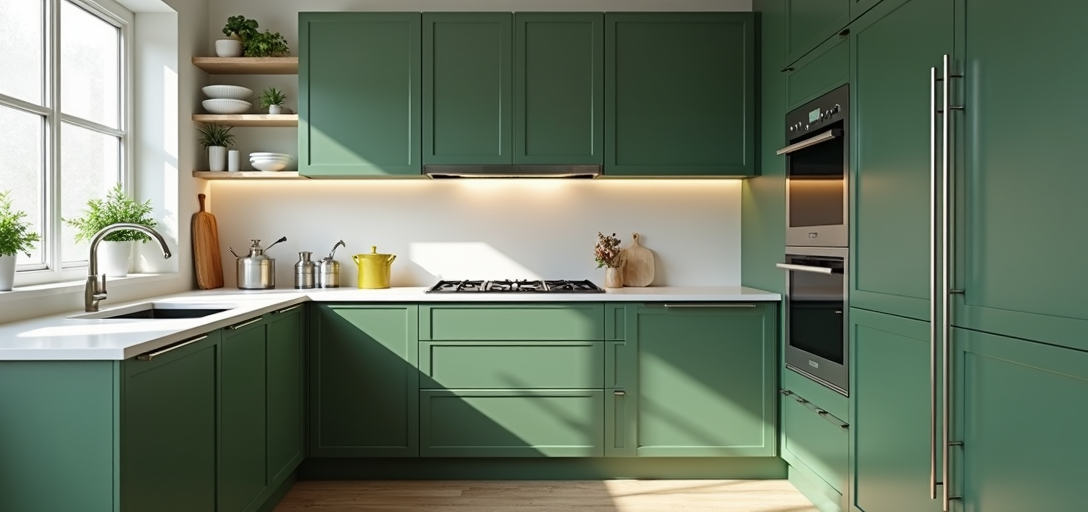
Discovering the New Dominant Shade in Modern Kitchens
As the world of interior design constantly evolves, the once-popular sage green kitchens have begun to take a back seat to a fresh, exciting shade currently captivating homeowners across the United States. If you find yourself questioning the trend shift and seeking guidance on what this new "it" color is, you've come to the right place. In this article, we’ll explore the emerging dominant shade in kitchen design, answer pressing questions, and provide practical insights into how you can incorporate it into your own home.
What Is the New Trending Kitchen Color?
This year, the color stealing the spotlight from sage green is a rich, earthy terracotta. Drawing inspiration from natural elements and landscapes, this warm, inviting hue provides a perfect balance of sophistication and comfort that many homeowners crave. Terracotta shades vary from light, sunbaked Earth tones to deeper, clay-like hues, offering versatility in styling and decor.
Why Are Terracotta Kitchens Gaining Popularity?
The shift towards terracotta in kitchen design can be attributed to several factors:
- Sustainability Movement: As environmental concerns take center stage, many are seeking designs that reflect eco-conscious values. Terracotta, with its earthy tones, feels organic and natural, aligning with sustainability trends.
- Warmth and Comfort: Unlike the cool tones of sage green, terracotta imparts warmth, creating a cozy environment that feels welcoming and homey.
- Versatile Aesthetic: Terracotta complements a variety of materials and colors, making it suitable for both contemporary and traditional designs. This versatility increases its appeal to a broad audience.
How to Integrate Terracotta into Your Kitchen?
Implementing terracotta into your kitchen can be achieved in numerous ways. Here are some practical strategies:
- Cabinetry: Opt for terracotta painted cabinets. This approach works well if you're up for a total kitchen overhaul or updating your existing space with a standout feature.
- Backsplash and Tiles: Introducing terracotta-colored tiles or a subtle backsplash can add depth and character without overhauling the entire room.
- Accessories: For a budget-friendly option, incorporate terracotta through kitchen accessories like pots, vases, or small appliances which can easily be replaced as trends continue to evolve.
What Complements a Terracotta Kitchen?
For a harmonious kitchen design, it's crucial to pair terracotta with complementary colors and materials. Here’s how you can achieve this balance:
- Wood: Natural wood elements, particularly lighter woods like oak, enhance the earthy charm of terracotta while maintaining a light, airy feel.
- Neutral Palettes: Whites, creams, and greys balance terracotta's intensity, ensuring the kitchen remains bright and spacious.
- Greenery: Lush green plants or herb gardens complement terracotta beautifully, bringing life and vibrancy into the space.
Potential Challenges with Terracotta Kitchens
While terracotta is a stunning choice, there are some potential challenges to consider:
- Lighting: Ensure there is adequate natural and artificial lighting to prevent the room from feeling too dark due to the depth of the terracotta shade.
- Cohesion: Always create a mood board before drastic changes to visualize cohesiveness with existing decor elements.
Real-World Examples and Inspiration
Design professionals across the US are embracing terracotta in innovative ways. For instance, a recent feature in Architectural Digest showcased a New York-based designer who used terracotta to create a Mediterranean-inspired kitchen, blending traditional and modern elements. Another example from Houzz illustrates a Californian home where terracotta tiles run seamlessly from the kitchen into the adjoining patio, creating a unified indoor-outdoor space.
Conclusion
The transition from sage green to terracotta in kitchen design illustrates the dynamic nature of interior trends, influenced by lifestyle shifts and cultural movements. By embracing this warm, earthy hue, homeowners can create comforting, stylish spaces that stand the test of time. Whether through subtle accents or more prominent features, incorporating terracotta might be the transformative touch your kitchen needs.
As you consider making this exciting update, remember to align it with personal taste and the functionality of your kitchen space. Happy designing!