Navigating Advanced Prostate Cancer: A Comprehensive Treatment Guide for 2026
Explore potential advancements in advanced prostate cancer treatment with our 2026 guide. Discover emerging therapies and innovative approaches being researched to manage advanced prostate cancer.
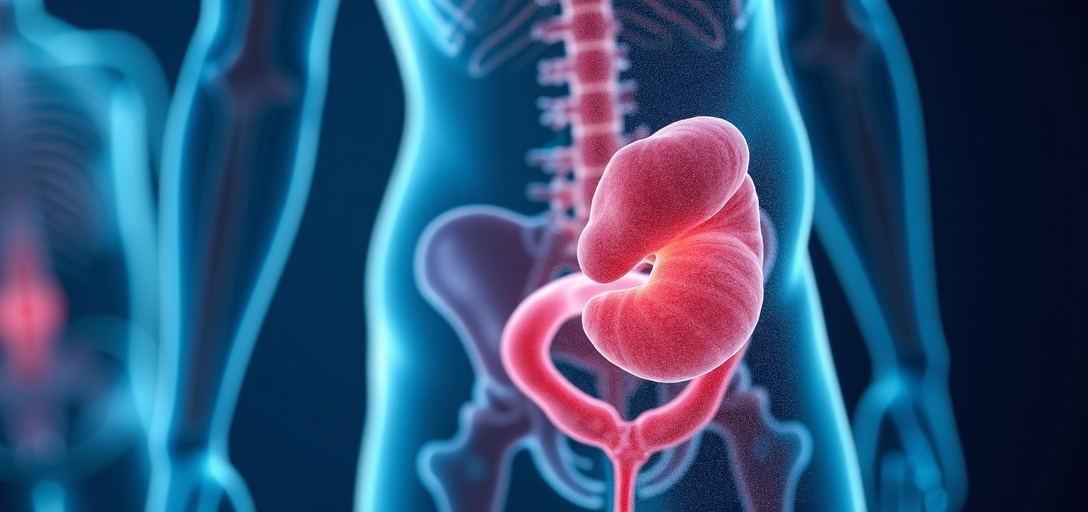
Understanding Advanced Prostate Cancer
Advanced prostate cancer refers to the stage where cancer has spread beyond the prostate gland to other parts of the body. This can include nearby organs, lymph nodes, or distant sites such as the bones or liver. In recent years, the understanding and treatment of advanced prostate cancer have significantly evolved, offering new hope and options for those affected.
What Are the Latest Treatment Options Available?
As of 2026, the treatment landscape for advanced prostate cancer has expanded with several innovative therapies. Key treatments include:
- Hormone Therapy: This continues to be a cornerstone in managing advanced prostate cancer. Androgen deprivation therapy (ADT) helps lower testosterone levels that fuel cancer growth.
- New Generation Hormonal Agents: Drugs like Enzalutamide and Apalutamide block the effect of testosterone more effectively than older treatments.
- Chemotherapy: Chemotherapy drugs such as Docetaxel and Cabazitaxel may be used, especially when hormone therapy no longer works.
- Targeted Therapy: This includes drugs like Olaparib, which target specific genetic mutations found in some prostate cancers.
- Immunotherapy: Therapies like Sipuleucel-T use the patient's immune cells to attack the cancer. Such treatments are tailored for those with specific cancer types or genetic markers.
- Radiopharmaceuticals: Radium-223 is an example of a radioactive substance used to treat bone metastases.
Recent Advances in Prostate Cancer Research
There have been significant strides in research focusing on personalized medicine, which tailors treatment based on individual genetic profiles. Researchers at the National Cancer Institute have identified genetic markers that help in predicting treatment responses, increasing the efficacy of therapies.
Side Effects and Management
Like all treatments, therapies for advanced prostate cancer have potential side effects. It's important for patients to work closely with their healthcare team to manage these effects:
- Fatigue: Common across many treatment types. Regular exercise and a balanced diet can mitigate fatigue.
- Nausea and Vomiting: Often associated with chemotherapy. Medications and dietary adjustments can provide relief.
- Bone Health: Since cancer and treatments can weaken bones, bone-strengthening medications and calcium supplements are recommended.
- Cardiovascular Health: Some treatments increase risks. Regular monitoring and lifestyle adjustments are critical.
Living with Advanced Prostate Cancer
Quality of Life
Managing advanced prostate cancer is not just about treatment; it's also about maintaining a good quality of life. Programs focused on palliative care aim to relieve symptoms and improve living conditions. Psychological support and counseling can help manage emotional challenges.
Support Systems
Engaging with support groups and networks can provide emotional and practical assistance. Organizations like the American Cancer Society offer resources and community connections for patients and their families.
The Future of Prostate Cancer Treatment
In 2026, the horizon looks promising with ongoing clinical trials exploring the efficacy of novel drugs and combination therapies. ClinicalTrials.gov is an excellent resource for finding active studies and potentially accessing cutting-edge treatments before they become widely available.
Conclusion
Advanced prostate cancer requires a comprehensive approach involving the latest medical advances, supportive care, and informed decision-making. Awareness and education are vital for patients and caregivers in navigating the complexities of treatment and maintaining quality of life.