Navigating Dental Implants Coverage: A Guide to Medicare and Medicaid Options
Discover the key steps to apply for dental implants through Medicare or Medicaid. Understand eligibility, explore potential coverage options, and navigate the application process with our expert tips.
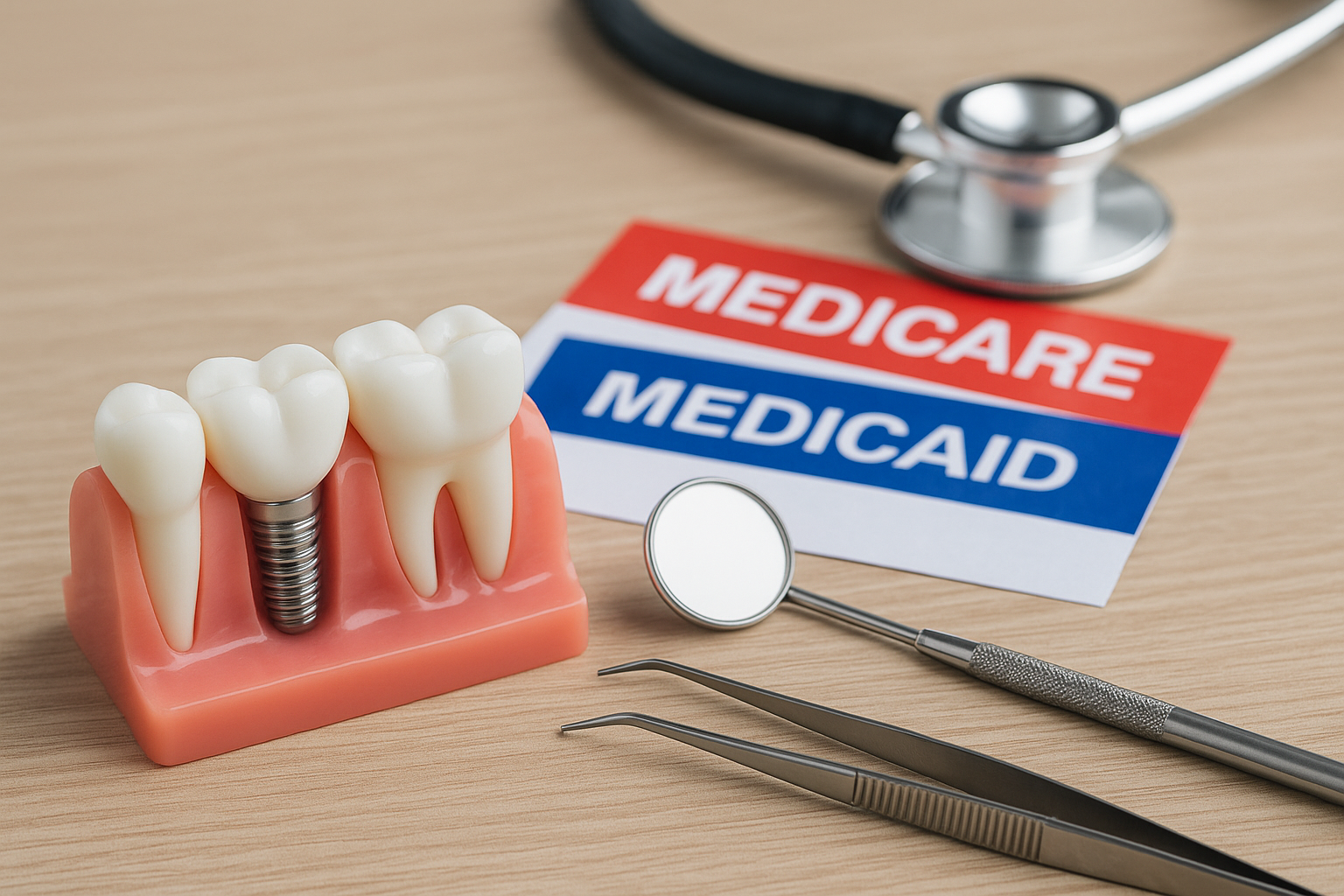
Understanding Dental Implants
Dental implants are a popular and effective way to replace missing teeth, offering a long-term solution for restoring your smile. Composed of a titanium post that acts like a tooth root and a crown that looks like a natural tooth, dental implants provide excellent stability and functionality.
While dental implants can greatly enhance quality of life, they can also be costly, which is why many individuals look to insurance programs like Medicare and Medicaid for financial assistance.
Does Medicare Cover Dental Implants?
Medicare is a federal health insurance program primarily for people aged 65 and older, though it also covers some younger individuals with disabilities. Understanding what Medicare covers in terms of dental services, particularly dental implants, is crucial for those seeking this treatment.
Traditional Medicare Coverage
Traditional Medicare, comprising Part A and Part B, generally does not cover dental care, including cleanings, fillings, tooth extractions, or dental implants. This lack of coverage means beneficiaries often have to explore other options for financial assistance for dental procedures.
Medicare Advantage Plans
While Traditional Medicare excludes dental implants, some Medicare Advantage Plans (Part C) do offer dental coverage, which may include implants. These plans are offered by private insurers approved by Medicare and can vary widely in coverage. It’s important to compare these plans to find one that provides the dental benefits you need. According to the Kaiser Family Foundation's 2026 report, approximately 47% of Medicare Advantage enrollees have some form of dental coverage, but specifics such as implant coverage can differ significantly between plans.
Does Medicaid Cover Dental Implants?
Medicaid is a state and federal program that provides health coverage to low-income individuals and families. Whether Medicaid covers dental implants depends on the state you live in, as states set their own guidelines for adult dental coverage.
State-Specific Coverage
In 2026, nearly all states provide dental benefits for adults enrolled in Medicaid, but the extent of these benefits varies. Some states offer comprehensive dental coverage, while others limit coverage to emergency services. For example, Washington State Medicaid covers dental implants if they're considered medically necessary. To find out if your state Medicaid covers dental implants, you should check directly with your state’s Medicaid program or visit their official website.
Medically Necessary Procedures
In some states, Medicaid may cover dental implants if they are deemed medically necessary. This might apply if implants are essential for significantly improving the recipient’s overall health or treat certain medical conditions. The process of getting implants approved as medically necessary often requires documentation and an evaluation by a healthcare professional.
How to Apply for Dental Implants Coverage
Applying for dental implant coverage through Medicare or Medicaid involves understanding what’s available to you, evaluating your eligibility, and knowing your state's specific policies.
Steps to Apply through Medicare
- Review Your Current Plan: Check if your Medicare Advantage Plan includes dental implants.
- Compare Plans: Use resources like the Medicare Plan Finder to compare different Advantage Plans, focusing on dental coverage benefits.
- Contact Providers: Reach out to your Medicare provider or a Medicare counselor to get detailed information on the claims process for dental implants.
Steps to Apply through Medicaid
- Check Coverage: Determine what your state’s Medicaid program covers for dental services.
- Gather Necessary Documentation: If your procedure is to be considered medically necessary, compile all required medical documents and evaluations.
- Consult Your Dentist: Work with your dentist or dental surgeon to submit a request for coverage to Medicaid with supporting documentation.
- Contact Medicaid Office: Follow up with your local Medicaid office to ensure your application is being processed.
Other Financial Assistance Options
If Medicare Advantage or Medicaid isn’t an option or doesn’t provide sufficient coverage, there are other ways to manage the cost of dental implants.
Dental Schools
Dental schools often offer services at reduced rates, where supervised students perform dental procedures as part of their training. While this option may involve longer appointment times, it can be a cost-effective way to receive care.
Payment Plans and Discount Programs
Many dental practices offer payment plans or participate in discount programs to help manage the cost of implants. Discuss these possibilities with your dental care provider for tailored options.
Charitable Organizations
Charitable organizations sometimes provide financial assistance for dental care. Programs like the Dental Lifeline Network help vulnerable populations access necessary dental treatments.
Conclusion
Understanding how to apply for dental implant coverage through Medicare or Medicaid can significantly impact your financial planning for these essential procedures. With Medicare Advantage, Medicaid, and other assistance options available, it’s essential to research and utilize the resources best suited to your needs. For further details, visiting sites like Medicare.gov and Medicaid.gov can provide up-to-date information and guidance.
References
Medicare and Medicaid coverage for dental implants is complex and depends on your state and specific plan. Below are five legitimate, official government and healthcare organization links to help you navigate coverage and application:
- Medicare.gov - Official Dental Coverage Guidelineshttps://www.medicare.gov/coverage/dental-services
- Medicaid.gov - State-by-State Dental Benefits Overviewhttps://www.medicaid.gov/medicaid/benefits/dental-care/index.html
- CMS.gov - Detailed Medicare Dental Coverage Policyhttps://www.cms.gov/medicare/coverage/dental
- Healthcare.gov - Applying for Medicaid/CHIPhttps://www.healthcare.gov/medicaid-chip/getting-medicaid-chip/
- Medicare.gov - Care Compare (Finding Medicare-Participating Dentists)https://www.medicare.gov/care-compare/