Navigating Insurance Options for Older Manufactured Homes: What You Should Know
Exploring insurance options for older manufactured homes can be challenging. While newer homes usually comply with updated codes, older models might face higher premiums or limited coverage.
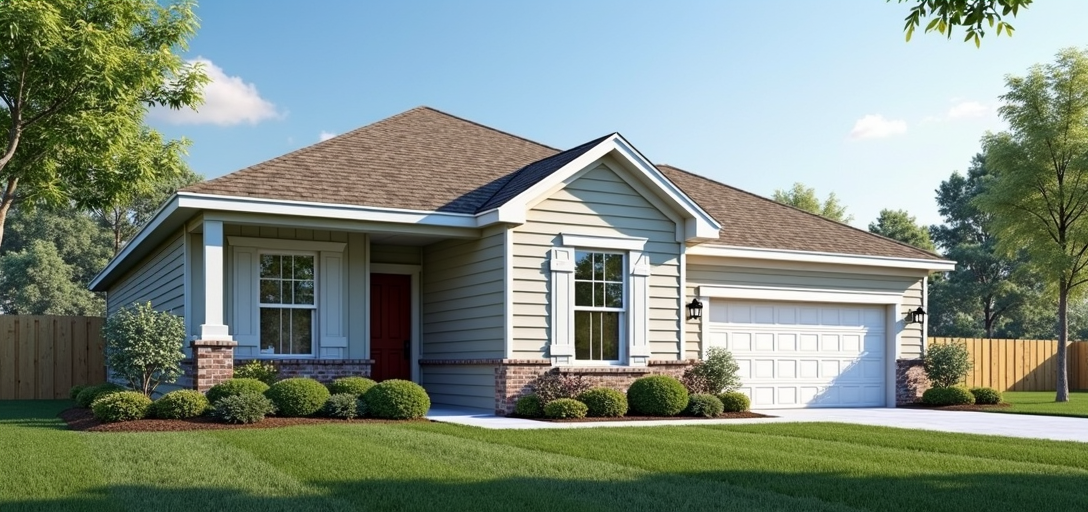
Understanding Insurance for Older Manufactured Homes
In the United States, homeowners are becoming increasingly interested in the insurance provisions for older manufactured homes. These properties offer affordable living options for many, but insuring them presents unique challenges due to their age and construction characteristics.
Why Insurance for Older Manufactured Homes is Different
Insurance companies view older manufactured homes differently from site-built homes for several key reasons. First, manufactured homes built before 1976 often don't meet the federal Manufactured Home Construction and Safety Standards (HUD Code) that regulate design, construction, strength, and durability.
- Construction Standards: Homes built before this time may lack the safety standards found in newer models.
- Higher Risk: Older homes may have been exposed to weather conditions that compromise structural integrity.
Due to these factors, insurance providers may impose higher premiums or stricter coverage limits to offset potential risks.
Types of Coverage Available
Insurance for older manufactured homes covers various aspects similar to standard homeowners insurance, with some adjustments:
- Structure Coverage: This protects the physical structure of the home against damages from events like fire or severe weather.
- Personal Property: Coverage includes protection for personal belongings inside the home.
- Liability Protection: Helps cover legal costs if someone is injured on your property.
Optional riders, such as flood or earthquake insurance, can also be added, though these will increase premiums.
Challenges in Insuring Older Manufactured Homes
Several challenges arise when it comes to insuring older manufactured homes:
- Valuation: Determining replacement costs can be difficult due to depreciation and the customization of older units.
- Lender Requirements: If you're financing your home, lenders may require specific coverage levels that can be hard to meet with older homes.
To address these challenges, it’s wise to consult with insurance agents who specialize in manufactured home insurance. They understand these homes' nuances and can guide you in selecting appropriate coverage.
Recent Trends and Developments
As of 2026, several trends influence the insurance landscape for older manufactured homes in the U.S.:
- Increased Data Usage: Insurance companies are leveraging more comprehensive data sets to better assess risk profiles, potentially lowering costs for well-maintained older homes.
- Climate Change Considerations: With extreme weather events on the rise, insurers are adjusting policies to reflect increased risks, particularly in flood and wildfire-prone areas.
For instance, the National Association of Insurance Commissioners (NAIC) reports increased adoption of smart home technology in older units can lead to premium discounts, promoting proactive risk management.
Choosing the Right Insurance Policy
Choosing the right insurance policy requires careful consideration of your home’s specific needs and conditions:
- Assess Condition: Conduct a thorough assessment of your home's current state to understand what coverage limits are appropriate.
- Compare Providers: It's crucial to shop around and compare policies from various providers. Utilize services that aggregate quotes from multiple insurers specializing in older manufactured homes.
- Consider Deductibles: A higher deductible can lower your premiums but ensure it's a manageable amount if you need to file a claim.
For a tailored approach, work with an insurance broker who has established relationships with underwriters experienced in manufactured home policies.
Conclusion
Securing insurance for older manufactured homes requires a nuanced approach that considers the unique characteristics of these homes. By understanding the coverage options available, the challenges you may face, and recent trends shaping the industry, you can make informed decisions to protect your property effectively. Stay informed and proactive in your approach, and consult with knowledgeable insurance professionals to ensure your coverage meets current safety and market standards.
For more detailed information, visit National Association of Insurance Commissioners and consult resources such as Insurance Information Institute for the latest guidelines and recommendations.