Navigating Over-The-Counter Solutions for Depression and Anxiety: A Comprehensive Guide
Over the counter options for depression and anxiety are becoming increasingly popular as people seek accessible ways to manage their mental health. In 2026, new developments bring a range of these options, from supplements to therapies, that could complement traditional treatments.
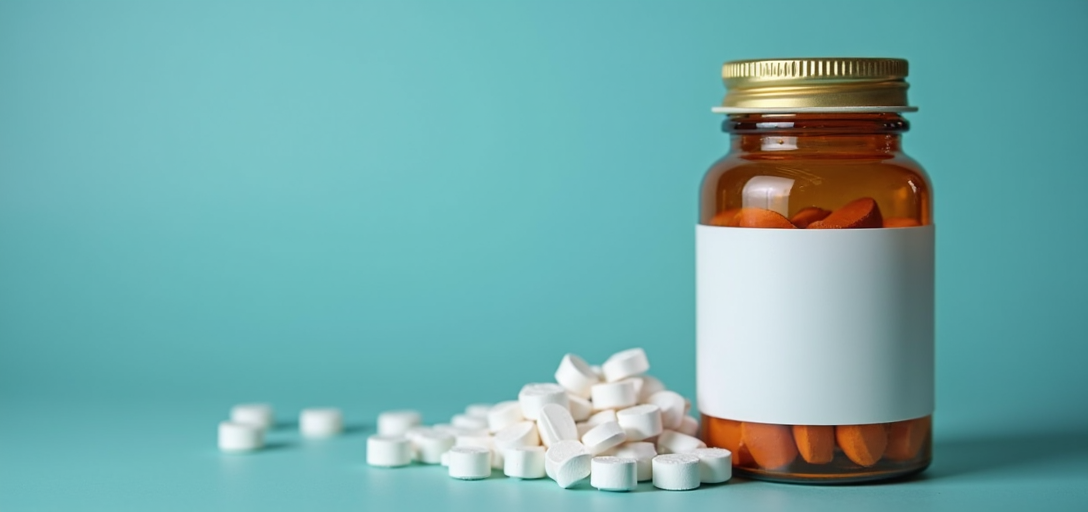
Understanding Over The Counter Options for Depression and Anxiety in 2026
What are Over The Counter (OTC) Options?
In the United States, over-the-counter (OTC) options refer to medications and supplements that are available without a prescription. These products are typically used to treat minor ailments and are available in various outlets such as pharmacies, supermarkets, and online stores. When it comes to mental health conditions like depression and anxiety, the availability and efficacy of OTC options have become important topics of discussion in recent years.
Why Consider OTC Options for Depression and Anxiety?
Many individuals may opt for OTC treatments for depression and anxiety for several reasons:
- Accessibility: OTC products can be purchased without a doctor's visit, which makes them more accessible for those who may have barriers to healthcare.
- Cost: Typically, OTC products are less expensive than prescription medications.
- Perceived Safety: These products are generally perceived as safe due to their non-prescription status.
Common OTC Options Available in 2026
St. John's Wort
St. John's Wort is a popular herbal supplement suggested for mild to moderate depression. It has been widely studied and is believed to work by increasing serotonin levels in the brain, similar to some antidepressant medications. However, it’s important to consult with healthcare professionals before starting St. John’s Wort, especially since it can interact with other medications.
SAMe (S-adenosylmethionine)
SAMe is another supplement gaining attention in 2026, marketed for depression relief. Some studies suggest that SAMe may be as effective as certain prescription antidepressants, providing a natural alterative for some users. According to a 2026 study conducted by the National Institute of Mental Health, users reported improvements in mood and overall well-being after regular use of SAMe (NIMH).
N-acetylcysteine (NAC)
NAC, an over-the-counter antioxidant, has been studied for its potential benefits on brain health. Current research suggests that NAC may help reduce symptoms of anxiety by modulating glutamate levels in the brain and reducing oxidative stress. An increasing number of mental health professionals recommend it as a supportive treatment option (NCBI).
Potential Risks and Considerations
While OTC treatments can offer benefits, they also come with potential risks:
- Safety and Side Effects: Like prescription medications, OTC products can have side effects. For instance, St. John's Wort can cause photosensitivity or drowsiness.
- Interactions with Other Medications: Some OTC options can interact with other drugs, potentially leading to harmful effects.
- Lack of Regulation: The regulation of supplements is less stringent than that of prescription medications, which can lead to variability in product quality and efficacy.
Consulting Healthcare Professionals
It is crucial to consult healthcare providers when considering OTC options for depression or anxiety. Professionals can provide valuable insights regarding:
- Potential interactions with current medications or treatments.
- An appropriate dosage and duration of use.
- Safety considerations given individual health histories.
Real-world Examples and Case Studies
A recent case study in 2026 highlighted a group undergoing treatment for mild anxiety with OTC NAC supplements alongside cognitive behavioral therapy (CBT). Participants reported a decrease in symptoms faster than those receiving CBT alone (American Psychiatric Association). Another example involves the integration of St. John’s Wort in a routine with mindfulness practices, yielding a noticeable improvement in mood and emotional regulation for a group of individuals diagnosed with mild depression.
Future Outlook for OTC Mental Health Treatments
As of 2026, the interest in OTC options for mental health is poised to grow, driven by increasing awareness of mental health issues and a desire for accessible treatments. Continued research and better regulation may enhance the safety and reliability of these treatments. Advances in digital healthcare solutions might also provide consumers with more personalized recommendations and monitoring options in the use of OTC products for mental health conditions.
In conclusion, while OTC options can be a viable part of managing symptoms of depression and anxiety, it remains crucial to approach these treatments with informed caution and professional guidance to ensure the best outcomes and personal safety.