Navigating Pet Insurance Choices for Your Senior Canine Companion
Discover the best pet insurance options for older dogs in our latest article! Explore how various policies cater to the unique needs of aging pets. While coverage specifics vary, we'll guide you through essential factors and tips to consider when choosing the right plan.
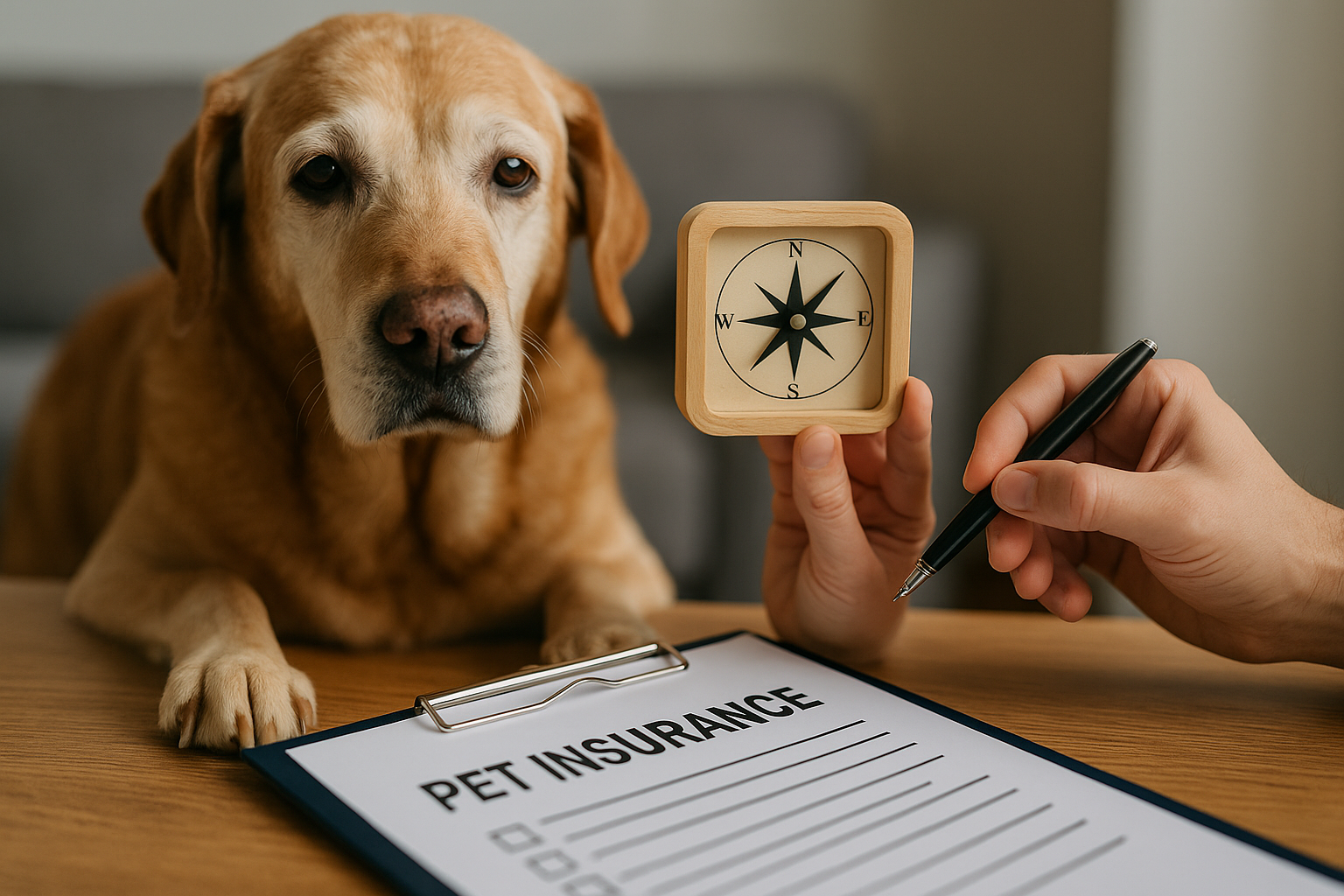
Understanding Pet Insurance Options for Older Dogs
As dogs age, their healthcare needs often become more complex and demand more attention. Pet insurance can be a lifesaver for older dogs as it helps cover some of the high costs that come with veterinary care. In this article, we will explore the various pet insurance options available for older dogs, ensuring you are well-informed and equipped to make the best decision for your furry friend.
Why Consider Pet Insurance for Older Dogs?
Older dogs are more prone to illnesses and chronic conditions such as arthritis, diabetes, and heart disease. These conditions often require frequent vet visits, medications, and sometimes surgeries, leading to significant expenses. Pet insurance provides a financial safety net, allowing you to offer your pet the best healthcare possible without overwhelming costs. According to a report by Pet Insurance Report 2026, the average annual vet bill for senior dogs is expected to rise by 10% over the next five years.
Types of Pet Insurance Plans
- Accident-Only Plans: These cover injuries resulting from accidents, such as broken bones or cuts. While they are usually the most affordable, they do not cover illnesses or age-related diseases.
- Accident and Illness Plans: These comprehensive plans cover both accidental injuries and a range of illnesses. They are suitable for older dogs but may have higher premiums.
- Comprehensive Plans: In addition to accidents and illnesses, these plans often cover preventive care, such as vaccinations, dental cleanings, and wellness checks. These plans provide the most coverage but are also the most expensive.
- Exclusive Wellness Plans: These plans focus solely on preventive care, not covering accidents or illnesses.
Factors to Consider When Choosing a Plan
Choosing the right insurance for your older dog requires careful examination of several factors:
- Age Limitations: Some insurance companies have age restrictions. Look for providers that offer policies for senior dogs specifically.
- Coverage Cap: Understand the maximum annual or lifetime payout amounts. Ensure the cap aligns with potential healthcare expenses for your dog.
- Exclusions: Thoroughly review what’s not covered by the policy, such as pre-existing conditions, certain breeds, or hereditary issues.
- Deductibles and Premiums: Balance between affordable monthly premiums and reasonable deductibles based on your financial situation and expected needs.
How to File a Claim and Ensure Maximum Benefits
Filing a claim with your pet insurance should be straightforward. However, understanding how to navigate the process can maximize your benefits:
- Collect Essential Documents: Obtain all relevant documentation, including detailed bills and vet records that outline the treatment provided and its necessity.
- File Promptly: Claims should be filed as soon as possible, ideally within a week of receiving care, to avoid processing delays.
- Maintain Regular Communication: Stay in touch with the insurance provider for updates on claim status and provide any additional information they require promptly.
Real-World Example: Daisy’s Surgery
Consider Daisy, a 10-year-old Golden Retriever, who needed surgery for a torn ligament. Her owner, Sarah, had a comprehensive insurance plan that covered 80% of the surgery's $3,000 cost after a $300 deductible. This reduced Sarah's out-of-pocket expenditure to $900. Daisy’s speedy recovery and the financial peace of mind it brought to Sarah are testaments to the value of having the right insurance policy.
Additional Resources
When determining the best insurance company and plan for your senior dog, referencing credible sources can significantly help. Some trusted resources include the North American Pet Health Insurance Association (NAPHIA) and consumer reviews from Consumer Affairs.
In Conclusion
Investing in pet insurance for an older dog is not just about covering costs; it’s about securing their right to a healthy, happy life as they age. By understanding the types of plans, evaluating providers carefully, and knowing how to effectively use the coverage, you set the groundwork for worry-free moments with your cherished canine companion. Make informed choices today for the well-being of your loyal friend tomorrow.
https://www.petinsurance.com/dog-insurance/older-dogs/
https://www.aspcapetinsurance.com/senior-dog-insurance/
https://www.forbes.com/advisor/pet-insurance/best-pet-insurance-for-older-dogs/
https://insurify.com/pet-insurance/knowledge/pet-insurance-for-older-dogs/
https://www.moneygeek.com/insurance/pet/dogs/senior-dogs/best/