Navigating Prescription Drug Savings: A Guide for Low-Income Seniors
Discovering how prescription drug assistance for lowincome seniors can ease financial pressures can be challenging. Explore programs designed to offer support, but remember that eligibility and benefits vary.
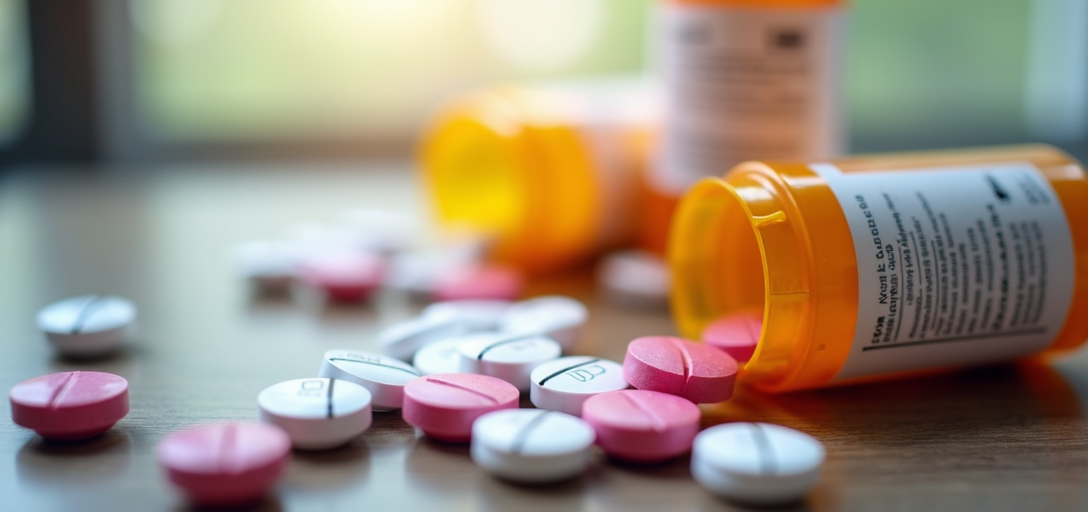
Understanding Prescription Drug Assistance for Low-Income Seniors
Prescription drug costs are a major concern for many seniors, particularly those with limited income. In the United States, there is a range of assistance programs designed to help low-income seniors manage the costs of their medications. This article aims to provide a comprehensive guide to these programs, answering key questions that individuals may have after seeing advertisements or information on this crucial topic.
What is Prescription Drug Assistance?
Prescription drug assistance includes a variety of programs, both governmental and private, that offer financial help to seniors in purchasing their necessary medications. These programs are tailored to aid those with limited financial resources, ensuring that healthcare needs are met without causing financial strain.
Types of Prescription Drug Assistance Programs
There are several types of prescription drug assistance programs available in the US:
- Medicare Part D: Medicare offers a Prescription Drug Plan (Part D) which provides insurance coverage for outpatient prescription drugs.
- Medicaid: This state and federal program helps with medical costs for some people with limited income and resources.
- Patient Assistance Programs (PAPs): These are programs created by pharmaceutical companies to offer free or low-cost drugs to individuals who are uninsured or underinsured.
- State Pharmaceutical Assistance Programs (SPAPs): SPAPs help residents pay for prescription drugs based on financial need, and are available in some states.
Who Qualifies for Prescription Drug Assistance?
Eligibility for prescription drug assistance varies depending on the program:
- For Medicare Part D and Medicaid, seniors generally need to be 65 or older, or meet other specific criteria, with income and resource limits considered.
- PAPs typically require individuals to demonstrate financial hardship, lack insurance coverage for medications, or have inadequate prescription coverage.
- SPAPs usually have income guidelines, residency requirements, and age restrictions that must be met.
For detailed eligibility information, consult the official Medicare or Medicaid websites, or contact the pharmaceutical companies directly for their specific PAP criteria.
Benefits and Coverage: What Can Seniors Expect?
The coverage and benefits offered by prescription drug assistance programs can vary:
- Medicare Part D: Beneficiaries can expect coverage for a wide range of medications, though there may be differences in the drugs covered between plans.
- Medicaid: This can cover most FDA-approved prescription drugs and may include some over-the-counter drugs when medically necessary.
- PAPs: These can provide significant discounts or even free medications, depending on the program.
- SPAPs: These often supplement Part D and can help cover premiums, deductibles, co-pays, and the coverage gap.
Each program has its own formulary, a list of covered drugs, which can be accessed online or by contacting the program directly.
How to Apply for Prescription Drug Assistance
The application process for obtaining prescription drug assistance can be straightforward but requires careful attention to detail:
- Medicare Part D: Applications can typically be made through the Social Security Administration's website or by visiting a local SSA office.
- Medicaid: Applications are managed by state Medicaid offices, and individuals can apply online, by mail, or in person.
- PAPs: Applications are typically submitted directly to the pharmaceutical company, often requiring proof of financial status and physician verification.
- SPAPs: These applications are often available on state health department websites or through local health advocacy groups.
Applicants will need to provide personal identification, proof of income, and other documentation as specified by the program. It's important to check deadlines and ensure that all forms are filled out completely and accurately.
Current Trends and Data on Senior Prescription Drug Costs
As of 2026, prescription drug prices continue to rise, putting pressure on seniors with fixed incomes. According to recent data, the average annual cost of drug therapy for senior citizens exceeds $7,000 (Source: KFF), representing a substantial portion of the average retirement income. Programs like Medicare Part D and Medicaid provide crucial relief, but coverage gaps remain significant challenges, highlighting the importance of additional assistance programs such as PAPs and SPAPs.
Real-World Examples and Success Stories
Consider Marie, a retired school teacher living on a modest pension in Texas. With the help of a state pharmaceutical assistance program, she was able to afford her heart medication, which would otherwise consume over 20% of her monthly income. Another example is Eli, a veteran who utilized Medicare Part D and a patient assistance program to greatly reduce his diabetes treatment costs.
Conclusion: Empowering Seniors to Access Needed Medications
Prescription drug assistance programs for low-income seniors play a critical role in the healthcare system, offering financial relief and improving the quality of life for countless individuals. By understanding the available options, eligibility criteria, and application processes, seniors and their caregivers can make informed decisions to ensure necessary medications are within reach. For support, it's encouraged to reach out to local community health resources or financial advisors who can offer guidance tailored to individual needs.