Navigating the Insurance Gap: What Uber Riders and Drivers Need to Know
Discover how the 'Uber App On Insurance Gap' is changing the way we think about coverage. Learn about recent updates to the Uber app and what they mean for passengers and drivers alike. This article explores potential impacts on insurance gaps without making bold predictions about future outcomes.
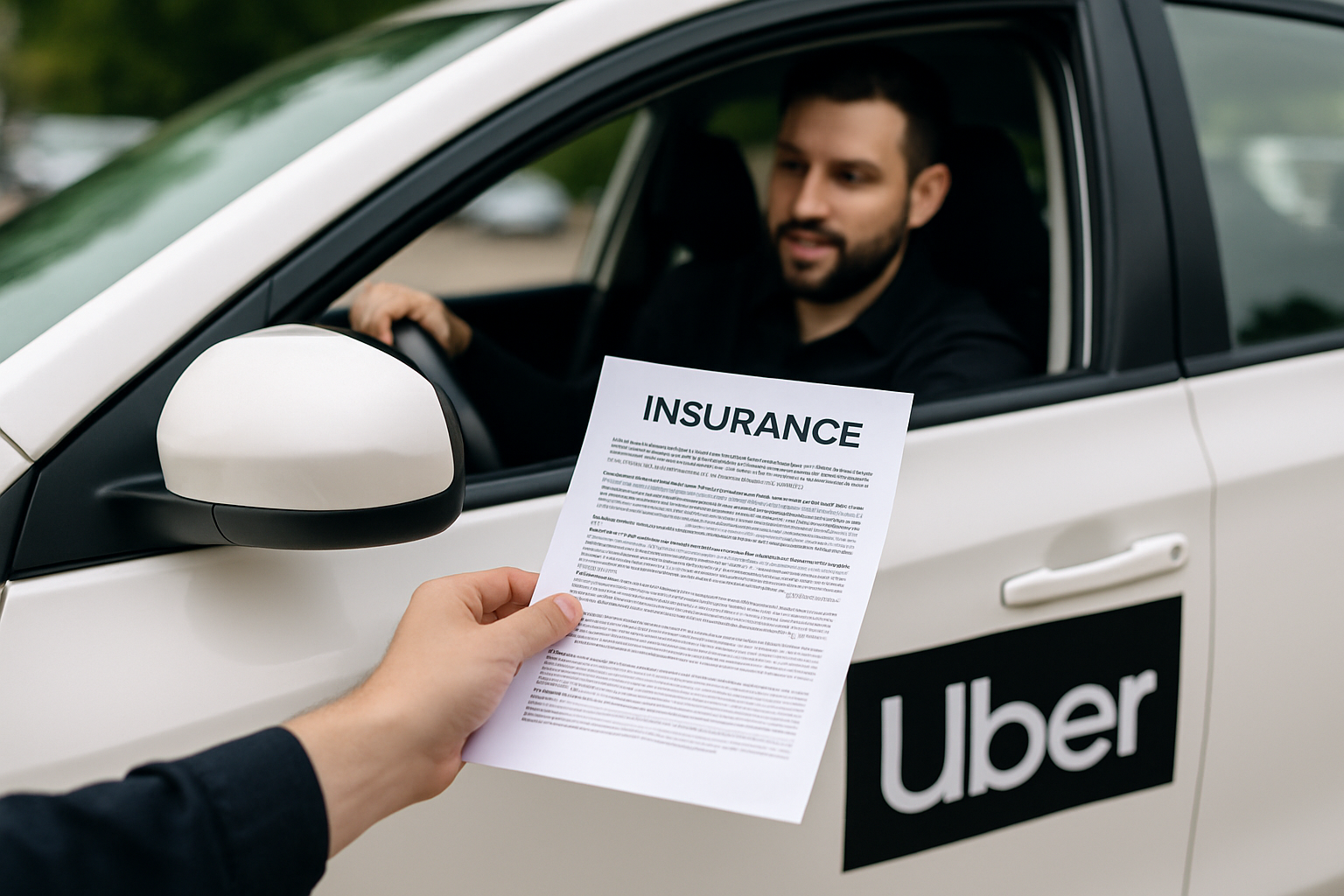
Understanding the Insurance Gap for Uber App Users
The convenience of rideshare services like Uber has revolutionized urban transportation, offering a flexible income stream for drivers and an easy transit option for passengers. However, an important aspect often overlooked by both drivers and passengers is the insurance gap that may arise when using the Uber app. This gap can present significant financial risks if not properly understood and managed.
What is the Uber App Insurance Gap?
The "insurance gap" refers to periods when a rideshare driver's personal auto policy and Uber's insurance coverage do not fully protect against potential liabilities. These gaps typically occur during specific phases of the ride-sharing process, as outlined in Uber’s insurance model.
Phases of the Uber Ride
- Offline: The driver’s personal insurance policy is responsible for any incidents.
- App On, No Ride Request: Uber provides limited liability coverage. This is often the most significant insurance gap.
- Ride Accepted, En Route to Passenger: Uber offers comprehensive liability and damages coverage.
- Passenger in Car: Full coverage provided by Uber, including liability, collision, and underinsured motorist coverage.
The insurance gap mainly affects the second phase – when the driver’s app is on, but no rides have been accepted. During this period, Uber offers reduced liability coverage, and personal auto policies usually exclude coverage if the vehicle is being used for a commercial purpose without a rideshare endorsement.
Why Does This Insurance Gap Exist?
This insurance gap exists due to the intersection of personal auto insurance policies and commercial insurance considerations. Personal auto insurance typically doesn’t cover commercial activities, which include driving for a rideshare service. Consequently, rideshare drivers may find themselves underinsured during certain driving phases unless they proactively fill these gaps with appropriate coverage options.
Consequences of the Insurance Gap
Falling into an insurance gap can have serious consequences, including financial losses and legal liabilities. Examples include:
- Accident Liabilities: If an accident occurs during the insurance gap period, drivers might be held personally liable for medical costs and property damage.
- Policy Violations: Using a personal car for commercial purposes can violate the terms of personal insurance policies, potentially leading to policy cancellation.
- Legal Ramifications: Lack of adequate coverage can lead to legal disputes and costly settlements out of pocket.
How Can Drivers Protect Themselves?
Purchase Rideshare Insurance or Endorsements
Many insurance companies offer rideshare insurance or policy endorsements that provide coverage during the app-on period. These policies close the gap left by personal and Uber-provided insurance, ensuring continuous coverage while operating as a rideshare driver.
Understand Local Insurance Requirements
Diverse regulations by region heavily influence insurance coverage requirements. For instance, as of 2026, California requires rideshare drivers to carry specific liability coverage when the app is on. Staying informed about local regulations can help drivers ensure they meet minimum insurance requirements without gaps.
Regularly Review Insurance Policies
Rideshare drivers should conduct routine evaluations of their insurance policies. Consulting with an insurance agent knowledgeable about rideshare coverage can be an excellent way to ensure their coverage meets their needs and adheres to local laws.
Real-World Stories of the Insurance Gap
Consider the case of a driver from New York who relied on standard auto insurance without additional rideshare coverage. When a minor collision occurred while waiting for a ride request, the driver found himself responsible for repairs due to coverage denial. This scenario highlights the importance of understanding the intricacies of coverage while driving for Uber.
Another driver in Texas opted for rideshare insurance policy endorsements. During incidents arising in similar scenarios, this preparation allowed for hassle-free claims filing, proving the benefits of addressing potential insurance gaps.
Conclusion: Proactive Management of Rideshare Insurance
The rise of services like Uber necessitates a modern understanding of insurance needs. Educating both drivers and passengers about these gaps is essential for minimizing financial risks and ensuring safe ridesharing experiences. By taking the necessary steps—such as acquiring supplemental insurance—drivers can confidently navigate Uber’s insurance landscape, prepared for any eventuality.