Navigating the Landscape of GLP 1 Coverage and Eligibility in 2026: What You Need to Know
Explore the future of health coverage with our 'GLP 1 Coverage And Eligibility Guide 2026'. Understand the key considerations impacting GLP 1 eligibility and what this could mean for you.
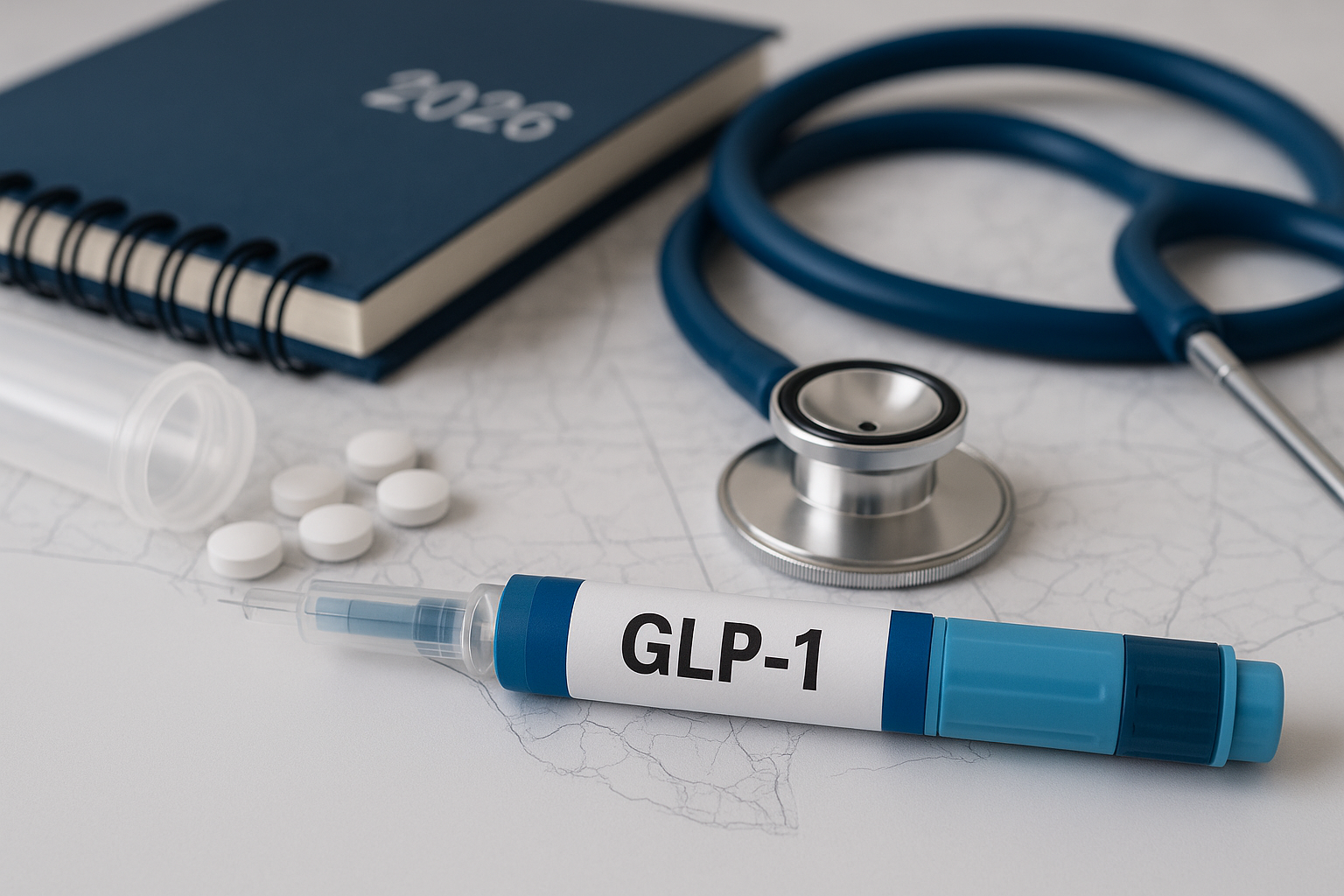
Understanding GLP-1 Medications
GLP-1 medications, known as glucagon-like peptide-1 receptor agonists, have gained significant attention in recent years due to their effectiveness in managing type 2 diabetes and supporting weight loss. These medications work by enhancing glucose-dependent insulin secretion, slowing gastric emptying, and promoting satiety. With the increased prevalence of diabetes and obesity, demand for these treatments has reached new heights, influencing health policies and insurance coverage discussions worldwide.
The Importance of Coverage and Eligibility in 2026
As of 2026, the landscape of healthcare coverage and eligibility for GLP-1 medications is evolving. With several new GLP-1 receptor agonists introduced, understanding insurance policies and eligibility criteria is crucial for patients seeking these treatments. This guide aims to demystify these topics, helping you navigate the complexities of coverage decisions and maximize your benefits.
Key Factors Influencing Coverage
The coverage of GLP-1 medications is determined by various factors, including the patient's health plan, medical necessity, and the medication's approval status by healthcare authorities. In 2026, several key considerations impact coverage decisions, such as:
- FDA Approval: Inclusion of new medications approved by the FDA in 2026 can affect coverage policies. Insurance companies often consider these approvals when updating their lists of covered medications.
- Clinical Guidelines: Recent clinical guidelines, such as those from the American Diabetes Association (ADA), emphasize the use of GLP-1 medications for specific patient groups. Insurers often align their coverage policies with these guidelines.
- Cost-Effectiveness: The rising costs of healthcare have made cost-effectiveness a critical factor. Coverage may depend on demonstrating that GLP-1 treatments offer value for both health outcomes and expenses.
Eligibility Criteria for GLP-1 Treatments
Gaining access to GLP-1 medications often requires meeting specific eligibility criteria set by insurance providers. Here are common factors influencing eligibility:
- Diagnosis Confirmation: Patients must have a confirmed diagnosis of type 2 diabetes or other recognized health conditions warranting GLP-1 use.
- Previous Treatment Attempts: Insurance providers typically require evidence that other treatment options have been tried unsuccessfully before approving GLP-1 medications.
- Medical History: A comprehensive review of the patient's medical history, including past medications and health conditions, is often necessary.
Navigating the Application Process
Applying for coverage involves several steps that require careful attention to detail. To increase the likelihood of approval, consider the following:
- Consult with Healthcare Providers: Engage with your healthcare team to ensure that your medical records support the necessity of GLP-1 medications.
- Complete Necessary Documentation: Collect all relevant documents such as diagnosis confirmations, lab results, and a detailed medical history.
- Adhere to Formulary Restrictions: Understand your insurance's formulary to determine which GLP-1 medications are covered and any restrictions that apply.
Appealing Denials
If your initial application is denied, you're not without options. An appeal process is available to reconsider your case. This involves:
- Understanding the Denial: Carefully review the reasons for denial given by your insurance provider.
- Gathering Additional Evidence: Obtain further documentation and any additional medical opinions to support your appeal.
- Submitting the Appeal: Follow your insurance provider's specific appeal procedures and submit all necessary forms and evidence in a timely manner.
Real-World Implications and Future Prospects
As more patients become eligible for GLP-1 medications, the demand continues to rise. Experts predict that the coverage landscape will increasingly favor personalized treatment plans, recognizing the unique needs of diverse patient populations. Furthermore, ongoing research into the efficacy and safety of GLP-1 medications promises to refine guidelines and policies, ultimately benefiting patients with improved treatment options.
Resources for Patients
Patients seeking more information on GLP-1 coverage and eligibility can explore the following sources:
- American Diabetes Association - Provides the latest clinical guidelines and patient resources.
- U.S. Food and Drug Administration - Offers detailed information about FDA-approved medications and updates.
- Healthcare.gov - A government resource for understanding healthcare coverage and insurance plans.
Navigating the world of healthcare coverage for GLP-1 medications can be complex, but armed with the right information, patients can take proactive steps to access their needed treatments. By understanding eligibility criteria, engaging with healthcare providers, and leveraging available resources, individuals can make informed decisions about managing their healthcare journey in 2026 and beyond.