Nighttime Safety: Essential Appliances to Unplug According to Electricians
Electricians emphasize the importance of safety, recommending you unplug certain appliances before going to bed. While it might seem unnecessary, unplugging can help prevent potential hazards.
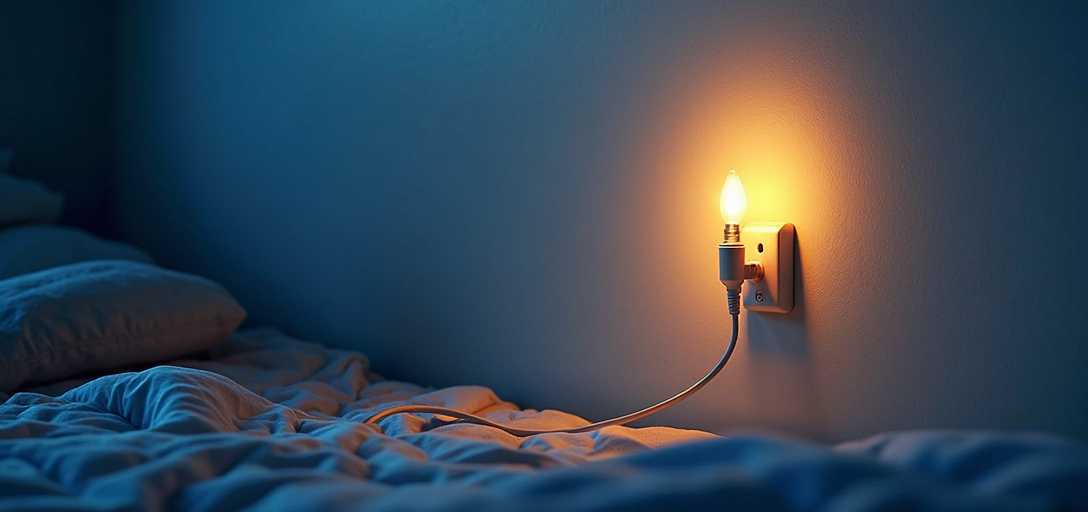
Why Should You Unplug Certain Appliances Before Bed?
As technology becomes ever more intertwined with our daily lives, it's easy to overlook some of the hidden dangers it might pose. While most of our home appliances are incredibly convenient, they do come with potential risks if not handled correctly. This brings us to an important piece of advice from electricians: Unplug specific appliances before going to bed.
The reasoning behind this advice primarily revolves around electrical safety and energy conservation. Unplugging certain appliances can prevent potential electrical fires and reduce power consumption, which is beneficial for both safety and the environment.
Understanding Electrical Fire Risks
Electrical fires are a serious hazard in the United States. As of 2026, such fires account for approximately 51,000 home fires each year, resulting in over 500 deaths, 1,400 injuries, and $1.3 billion in property damage annually. Many of these fires start due to faulty or neglected electrical appliances.
By simply unplugging appliances that are not in use, particularly overnight, homeowners can significantly reduce the risk of such accidents.
Common Appliances to Unplug
There are several everyday appliances that are recommended for unplugging. Here’s a closer look:
- Toasters: These are prone to electrical shorts that can easily ignite due to the crumbs inside.
- Coffee Makers: With their complex circuitry, a malfunction can lead to electrical fires.
- Hair Dryers and Straighteners: Faulty wiring or overheating can cause these devices to become hazardous if left plugged in.
- Phone Chargers: While not immediately dangerous, leaving chargers plugged in unnecessarily uses power 24/7.
Unplugging these devices significantly reduces the associated risk.
The Science of "Phantom Loads"
Phantom loads, also known as "vampire energy," refer to the power consumed by electronics and appliances while they're turned off but still plugged in. A 2026 study by the National Energy Institute found that an average household in the US wastes up to $200 annually on energy consumed by devices not in active use.
This figure might seem small individually but collectively adds up to billions of dollars nationwide. Unplugging unused devices can thus contribute to substantial energy savings at both household and national levels.
Best Practices for Nighttime Safety and Cost Efficiency
Adopting a habit of unplugging enhances everyday safety and cost efficiency. Here are some practices recommended by safety experts:
- Use Power Strips: Grouping your devices onto a power strip with an on/off switch can ease the nightly routine of unplugging devices.
- Install Timers: Consider using outlet timers for your non-essential devices. They can be set to turn off automatically.
- Routine Checks: Habitually check for frayed cords or discolored outlets indicating overheating or potential hazards.
Smart Home Solutions
For those willing to invest in more long-term solutions, smart plugs and home automation systems can be programmed to turn off non-essential electronics at night. In 2026, the adoption of smart home technology increased by 15%, proving its growing importance in everyday safety measures.
These devices can also provide data on energy usage, allowing you to track and manage your consumption more effectively.
Conclusion: A Simple Habit, A Significant Impact
Unplugging appliances might seem a trivial task, but it profoundly impacts safety and energy efficiency. By fostering this habit, you not only protect your home from potential electrical dangers but also contribute to a broader goal of energy conservation.
Whether you're motivated by environmental concerns, cost savings, or safety, unplugging unused appliances is a small change that can provide substantial benefits — something electricians across the country continue to endorse.
For more detailed advice and to stay updated on electricians' recommendations and energy-saving tips, consider visiting Energy.gov or the National Fire Protection Association.