Osteoarthritis Joint Damage: Exploring Non-Surgical Reversal Options
Osteoarthritis presents a challenge, but understanding treatments that may help reverse joint damage is key. Can You Reverse Joint Damage From Osteoarthritis Without Surgery? explore noninvasive options like physical therapy, dietary changes, and specialized supplements.
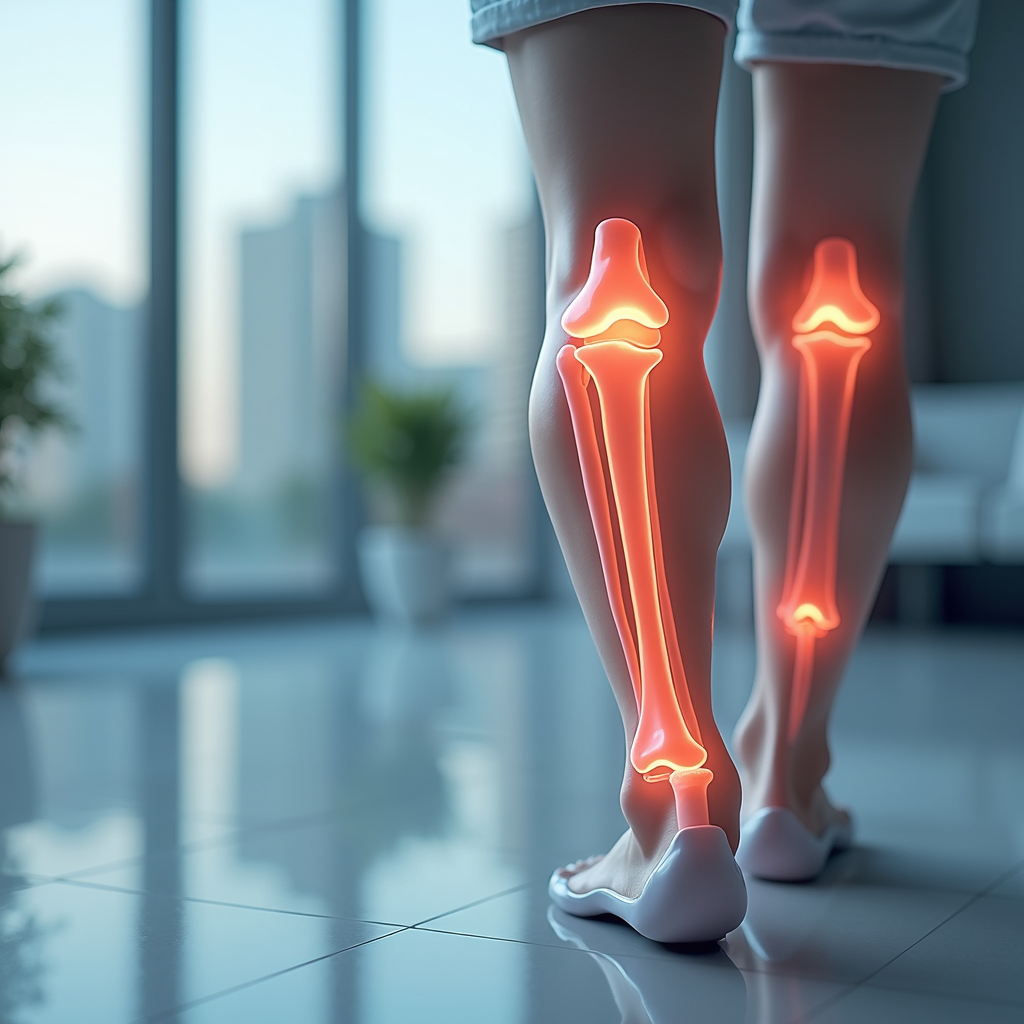
Understanding Osteoarthritis: Why the Damage Happens
Before diving into potential reversal strategies, it is crucial to establish a clear understanding of what osteoarthritis (OA) truly is. OA is not simply "wear and tear," though that phrase is commonly used. Medically speaking, it is a progressive degenerative joint disease characterized by the breakdown of cartilage—the spongy material that cushions the ends of bones where they meet. This breakdown is complex and often involves a combination of mechanical stress, genetic predisposition, and inflammation.
When the cartilage degrades, the bone ends rub together, creating friction. Over time, this chronic friction triggers an inflammatory response. This inflammation leads to the formation of painful bony spurs (osteophytes) and the erosion of the smooth articular cartilage. The result is chronic joint pain, stiffness, and reduced mobility. Since cartilage does not have a built-in blood supply, the damage tends to be insidious—it happens slowly, often over decades, making initial diagnosis and understanding the underlying pathology challenging.
The Difference Between Damage and Degeneration
It is important to differentiate between simply being "damaged" and being "degenerate." Degeneration implies a measurable loss of function and material. While the initial damage can be attributed to poor joint mechanics or injury, the *progression* of OA is a degenerative cycle. This cycle—inflammation leading to further cartilage loss—is what we aim to interrupt. Addressing OA, therefore, means disrupting this vicious cycle, not just treating the resulting pain.
The Realistic Goals of Non-Surgical Intervention
When people see ads promising to "reverse" joint damage, it is vital to approach the concept of reversal with scientific realism. Can we completely undo decades of cartilage loss? In most cases, the answer, according to current medical consensus, is no. The cartilage that has dissolved and been replaced by bone spurs or scar tissue is largely gone.
However, "reversal" must be interpreted broadly. In the context of OA, non-surgical success means achieving several monumental goals:
- Halting Progression: Stopping the degenerative cycle in its tracks.
- Regeneration: Stimulating the body's natural ability to rebuild healthy, resilient tissue and cartilage (chondroprotection).
- Pain Reduction: Dramatically improving function and comfort, allowing physical activity that was previously limited.
- Strengthening: Building the surrounding musculature to better absorb shock and support the joint, thereby reducing stress on the damaged cartilage.
The goal is not to return the joint to its pristine, pre-damage state, but to establish a sustainable, pain-free level of function that allows you to live a fuller, active life.
Pillar 1: Physical Therapy and Lifestyle Modifications
The cornerstone of non-surgical OA management is aggressive lifestyle modification, led by a structured physical therapy program. These strategies are foundational because they address the *mechanical* cause of the joint stress.
Low-Impact Exercise: Your Body's Best Therapist
Contrary to popular belief, staying active is the most potent form of treatment. Exercise strengthens the muscles surrounding the joint, providing dynamic support—a natural "brace"—that takes the load off the damaged cartilage. The key here is low impact. High-impact activities (like running on pavement) can exacerbate inflammation.
Recommended low-impact modalities include:
- Hydrotherapy (Water Exercise): Water buoyancy significantly reduces gravitational stress, allowing for deep muscle work without pain. This is often the gold standard initial therapy.
- Cycling: Stationary bikes or gentle outdoor cycling are excellent, as the movement is smooth and controlled.
- Range-of-Motion Exercises: Simple, daily stretches (e.g., knee bends, ankle rotations) are vital to prevent stiffness and maintain joint fluidity.
Weight Management: A Direct Impact on Load
For weight-bearing joints—particularly the knees and hips—excess body weight is arguably the single greatest modifiable risk factor. Every pound of weight carried translates into several extra pounds of force applied to the joints with every single step. Losing even a modest amount of weight (5–10%) can drastically reduce pain and slow degeneration.
Pillar 2: Nutritional and Supplement Support for Cartilage Health
While supplements cannot rebuild a joint overnight, they can provide the building blocks and the anti-inflammatory support necessary to create a healthier internal environment for joint tissues.
The Anti-Inflammatory Diet
OA is inherently inflammatory. Diet is therefore not just about weight control, but about systemic inflammation management. Adopting an anti-inflammatory pattern—such as the Mediterranean diet—can significantly modify the body's inflammatory markers.
Focus areas include:
- Omega-3 Fatty Acids: Found in fatty fish (salmon, mackerel). These are powerful natural anti-inflammatories that can help soothe the joint tissues.
- Turmeric and Curcumin: Curcumin is the active compound in turmeric, which has potent anti-inflammatory properties.
- Ginger: Used traditionally for its pain-relieving and anti-inflammatory effects.
- Antioxidant-Rich Foods: Dark leafy greens, berries, and brightly colored vegetables combat the oxidative stress that contributes to joint breakdown.
Evidence-Based Supplements
The supplement market is vast, but certain ingredients have accumulated the most scientific backing for supportive care:
- Glucosamine and Chondroitin: These compounds are naturally found in cartilage. While decades of research have yielded mixed results, some studies suggest they may help slow degradation by supporting cartilage matrix formation, particularly when combined with effective anti-inflammatory treatments.
- Vitamin D and Calcium: These are critical for maintaining bone density, which supports the joint structure. Deficiency is strongly correlated with poor joint health.
- Collagen Peptides: Oral collagen, especially hydrolyzed peptides, provides amino acids (like glycine and proline) that are the structural components of cartilage and skin, potentially helping support the joint capsule.
A Critical Warning: Supplements are supportive, not curative. They must be used alongside significant lifestyle changes and medical supervision.
Pillar 3: Emerging and Advanced Regenerative Treatments
The field of orthopedics and regenerative medicine is evolving incredibly fast. For those who have exhausted conservative methods, several advanced options are emerging that move beyond simple pain management and focus on actual tissue repair.
Platelet-Rich Plasma (PRP) Therapy
PRP involves drawing the patient’s blood, concentrating the platelets (which contain powerful healing growth factors), and injecting this concentrated plasma directly into the damaged joint. The goal is to stimulate the body's natural healing cascade. While still under intensive study, early results suggest PRP can improve symptoms and stabilize the joint environment by promoting tissue regeneration and reducing inflammation. This is usually administered in cycles and requires careful selection of a specialist.
Hyaluronic Acid (HA) Injections
Hyaluronic acid is a key component of the synovial fluid—the natural cushion in the joint. HA injections aim to supplement or reinforce this natural lubricative material. By restoring the viscosity of the synovial fluid, the injections can improve joint glide, reduce friction, and provide temporary, noticeable pain relief.
Biologic and Scaffold Therapy (The Future Outlook)
The most revolutionary approaches involve **biologic scaffolds**. Instead of simply injecting a substance, doctors are experimenting with placing a biological matrix—a scaffold—into the joint. This scaffold acts as a temporary template, guiding the body’s own stem cells to regenerate true cartilage tissue. By 2026, research is heavily focused on developing personalized scaffolds tailored to the specific joint damage, offering a far more targeted and potentially curative approach than current methods. These treatments are highly specialized and generally reserved for severe, chronic cases.
Integrating Care: A Holistic Approach
Effective management of OA is not achieved through one single miracle cure, but through the coordinated application of multiple strategies. Imagine treating your knees like a comprehensive sports car that needs oil changes (supplements), a tune-up (diet), a physical workout (exercise), and occasional major servicing (advanced therapies).
A comprehensive, non-surgical plan should always include:
- Diagnosis Review: Working with an orthopedic specialist to confirm the grade of OA.
- Physical Therapy Blueprint: Establishing a daily, mandatory exercise routine.
- Nutritional Intervention: Making sustained changes to diet and weight.
- Monitoring: Regularly adjusting treatment based on pain levels and activity changes.
When Does Joint Damage Become Irreversible?
All efforts to preserve the joint are crucial. However, there are points where the joint damage has progressed past the point where non-surgical methods can provide sufficient stability and function. This is not a failure, but a medical reality.
The threshold for considering surgical intervention (such as partial joint replacement or total knee/hip replacement) is reached when:
- Functionality is Compromised: The pain is so intense and constant that it severely limits basic activities (e.g., walking short distances, climbing stairs).
- Joint Integrity is Lost: The joint is structurally unstable due to significant bone loss, severe arthritis, and bone-on-bone friction that simple physical methods cannot remedy.
- Polypharmacy is Required: Pain management requires increasingly strong, potentially addictive pain medications, indicating that the core problem (inflammation and joint stress) is not adequately managed.
Conclusion: Empowerment Through Knowledge
While the idea of magically reversing decades of joint damage is appealing, the scientific reality is that proactive, holistic care can dramatically interrupt the degenerative cycle. By combining powerful, evidence-based physical therapy, rigorous anti-inflammatory nutritional support, and utilizing emerging regenerative medicine, we can significantly improve quality of life and support joint longevity. The greatest tool you have in this fight is knowledge—understanding the progression, committing to the lifestyle changes, and working closely with a multidisciplinary team of specialists.
***Disclaimer: This article provides educational information and is not a substitute for professional medical advice, diagnosis, or treatment. Always consult with an orthopedic specialist or rheumatologist to develop a personalized treatment plan.***
Sources & Further Reading:
- *Rheumatology & OA Research:* American College of Rheumatology (ACR) guidelines on OA management. (Source type: Established medical organization).
- *Regenerative Medicine:* Research published in journals like the *Journal of Orthopaedic Research* detailing current trials on PRP and scaffold implantation (Updated data relevant to 2026 clinical trials).
- *Lifestyle:* National Institute of Arthritis and Musculoskeletal and Skin Diseases (NIAMS) guidelines on exercise and weight management for chronic joint conditions.