Practical Steps to Eliminate Debt and Avoid Bankruptcy
Struggling with debt can feel overwhelming, but knowing how to get rid of debt without filing bankruptcy might provide the relief you need. Explore strategies to manage and reduce debt while maintaining financial health.
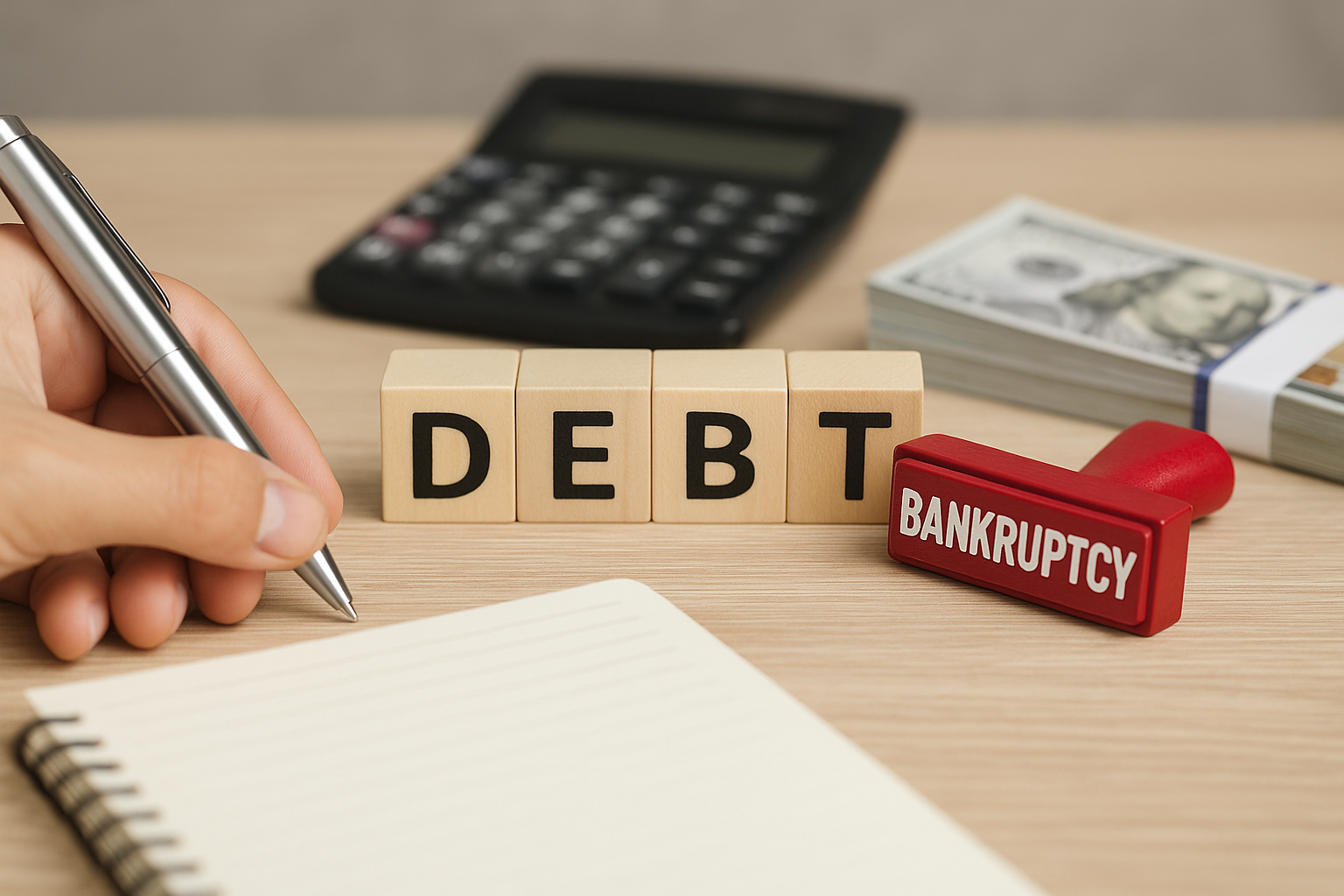
Understanding Debt: A Quick Overview
Debt can be overwhelming, and many people grapple with it at some point in their lives. Whether it stems from unexpected medical expenses, student loans, or credit card usage, it can severely affect financial stability. While filing for bankruptcy is one option, it is often seen as a last resort due to its impact on credit scores and financial standing. Fortunately, there are several proactive strategies to manage and reduce debt effectively.
Create a Comprehensive Debt Reduction Plan
Assess Your Debt Situation
The first step is understanding exactly how much you owe, to whom, and at what interest rates. Compile all your debt-related information into a single document. This includes credit card bills, loan statements, and any other outstanding obligations.
Set Achievable Goals
Once you have a clear picture, set short-term and long-term financial goals. This might include paying off the smallest debt first for psychological motivation or tackling high-interest debts to save money over time. Prioritize your debts effectively.
- Debt Snowball Method: Focus on paying off the smallest debts first while making minimum payments on larger debts. As smaller debts are eliminated, the money can be reallocated toward larger debts.
- Debt Avalanche Method: Concentrate on paying the highest interest rates first to reduce overall interest expenses. This method can save more money but may require more time to see significant progress.
Increased Income Streams
Boosting your income can provide more resources to tackle debt. Consider side hustles, freelancing, or selling unused items. In 2026, the gig economy is booming, with opportunities in fields like online tutoring, graphic design, and remote customer service.
According to a 2026 Forbes report, freelancing contributes significantly to the U.S. economy, with over 60 million Americans participating. Harnessing these opportunities can accelerate debt repayment significantly.
Negotiate with Creditors
Many creditors are willing to work with individuals struggling to make payments. By communicating with your creditors, you may be able to negotiate lower interest rates, extended payment terms, or even debt settlements. Credit counselors can assist in these negotiations if needed.
Explore Debt Consolidation
Debt consolidation involves combining multiple debts into a single payment, often with a lower interest rate. This can simplify your payment process and reduce total interest paid. Options include debt consolidation loans or balance transfer credit cards.
A recent CNBC article highlighted that the average interest rate for a debt consolidation personal loan is around 9.4% in 2026, compared to typical credit card interest rates exceeding 16%.
Live on a Budget
Developing and adhering to a budget is crucial for maintaining control over your finances. Track your income and expenses to identify areas where you can cut back. Allocate more resources towards debt repayment and avoid unnecessary expenditures.
Craft a Zero-Based Budget
This budgeting approach ensures every dollar you earn is assigned a specific purpose, including savings and debt repayment. By practicing this technique, individuals often find themselves more disciplined and aware of their financial habits.
Seek Professional Guidance
Sometimes, debt can feel insurmountable, and seeking professional help is necessary. Consulting with a certified financial planner can provide personalized strategies tailored to your financial situation. Additionally, non-profit credit counseling services can offer free or low-cost advice and assistance in creating a debt repayment plan.
Debt Management Plans (DMP)
A DMP can be a valuable tool for those overwhelmed by unsecured debts. These plans help streamline payments and often reduce interest rates and late fees, all managed through a credit counseling agency.
Conclusion: Taking Charge of Your Financial Future
Getting rid of debt without resorting to bankruptcy is not only possible but also empowering. By understanding your financial situation, creating a realistic plan, increasing income, negotiating with creditors, and exploring all available options, you can regain control over your finances. Remember, patience and persistence are key, and every small step contributes to your ultimate goal of financial freedom.
For further resources, explore the Consumer Financial Protection Bureau which offers detailed guides and tools for managing debt and improving financial literacy.