Practical Strategies to Pay Off Credit Cards Faster and Get Out of Debt
Discover practical strategies to pay off credit cards efficiently and manage debt more effectively. Learn ways to handle credit cards that could reduce interest and accelerate your repayment journey, without falling into potential pitfalls.
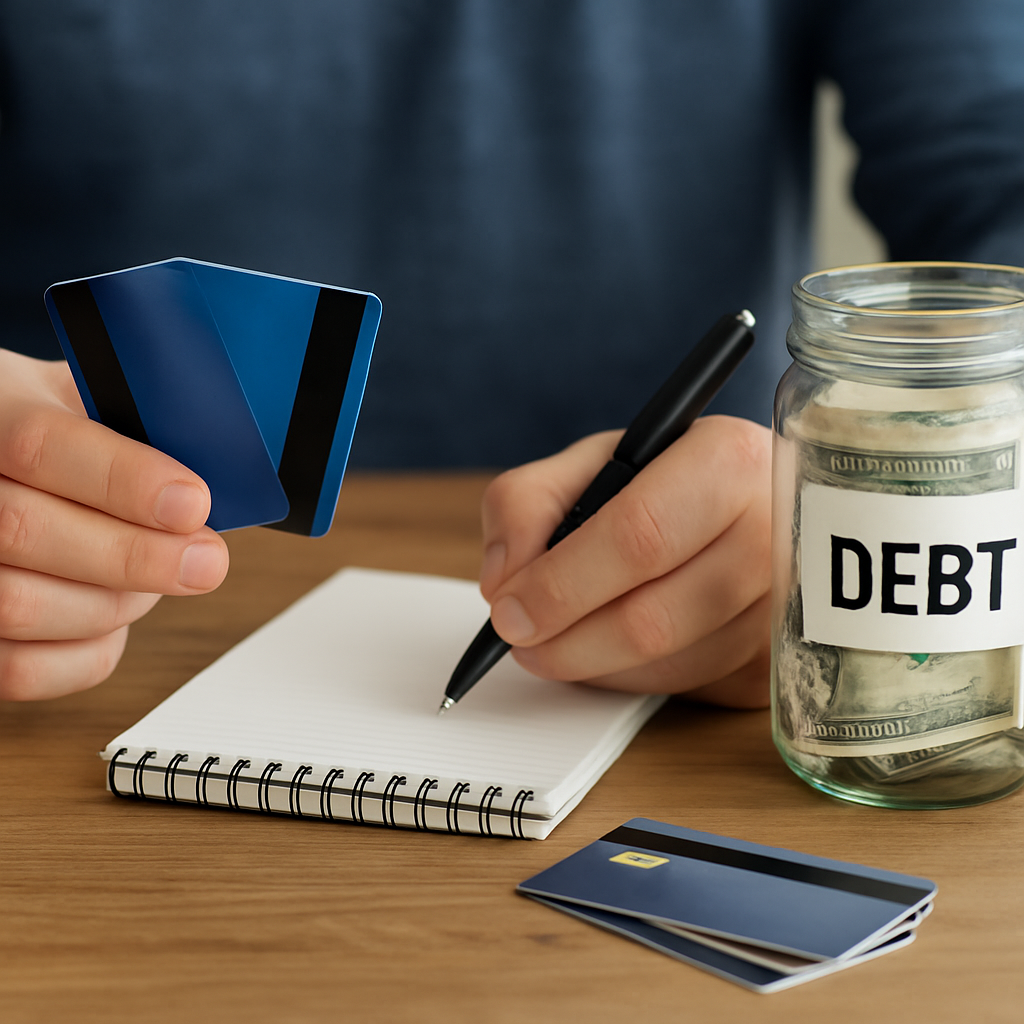
Understanding the Debt Cycle
Credit card debt is a common financial challenge that many people face. It's easy to fall into the cycle of only making minimum payments, which can keep you in debt for years. In fact, data from recent studies in 2026 indicate that the average American household carries over $8,000 in credit card debt. This highlights the importance of not only managing but also effectively paying off debt for financial stability and peace of mind.
How Does Credit Card Interest Work?
Credit card interest is a key factor in the debt cycle. When you don’t pay your balance in full, you are charged interest on the remaining amount. This interest compounds, meaning you're effectively paying interest on your interest. Understanding how compounding works is crucial to devising a strategy to get out of debt faster.
Strategies to Pay Off Credit Cards Faster
Create a Budget
Creating a comprehensive budget is the first step in tackling credit card debt. A detailed budget allows you to see where your money is going and identify areas where you can cut back. According to a recent survey by the Financial Literacy Center in 2026, individuals who budget effectively are 20% more likely to pay off their credit card debt in a shorter time.
- List all sources of income.
- List all necessary expenses, such as rent, utilities, and groceries.
- Identify discretionary expenses that can be reduced.
- Allocate more money towards credit card payments.
Use the Debt Snowball Method
The debt snowball method involves paying off the smallest debts first and then moving on to larger ones. This method takes advantage of human psychology, as paying off debts quickly can provide the motivation to continue. Say you have three cards with balances of $500, $1,000, and $1,500. You would focus on fully paying off the $500 card while making minimum payments on the others. This momentum helps keep you motivated and on track.
Consider the Debt Avalanche Approach
Alternatively, the debt avalanche method pays off cards with the highest interest rates first, which can save more money on interest in the long term. For example, if the $1,500 card has the highest interest rate of 20%, paying it off first will reduce the total amount of interest paid. This method is often recommended by financial experts as it is mathematically more efficient.
Maximize Your Payments
Pay More Than the Minimum
Paying only the minimum keeps you in debt longer and increases the total amount of interest paid. Let’s assume a $5,000 debt on a card with a 15% interest rate. The minimum payment is usually around $150. You’ll end up paying over $2,000 in interest alone if you only make minimum payments, which could take more than a decade to clear. By doubling your monthly payment to $300, you can cut your repayment time down to five years and save significant interest.
Use Windfalls Wisely
If you receive extra money, such as a tax refund, bonus, or gift, consider using it to make an extra payment. This can help reduce your principal balance quickly, leading to less interest accrued over time.
Increase Your Income
While cutting expenses is crucial, increasing your income can make a significant difference. Consider part-time work, selling unused items, or tapping into gig economy roles. Any extra income can accelerate your debt payoff timeline. According to Economic Reports in 2026, participating in side gigs has increased average monthly incomes by 15%, which can be effectively put towards debt reduction.
Benefits of Paying Off Credit Card Debt
Improved Credit Score
Reducing credit card balances decreases your credit utilization ratio, which is a key factor in credit scoring. As your utilization decreases, your score improves, which can result in lower interest rates on future loans.
Reduced Financial Stress
By eliminating debt, you eliminate the constant stress that comes with managing high-interest payments every month. Being debt-free provides financial freedom and increases your ability to save and invest for future goals.
Increased Savings
Once credit card debt is paid off, the funds used for monthly payments can be redirected towards savings and investments. Building an emergency fund or contributing to a retirement account can ensure your financial health is secured for the future. According to the latest data, only 40% of adults have an emergency fund as of 2026, which underlines the necessity of redirecting funds from debt payments to savings.