Practical Techniques for Falling Asleep Despite Anxiety
Struggling with anxiety at bedtime can make it challenging to fall asleep, but there are several soothing techniques you can try. This article explores effective methods to calm an anxious mind and set the stage for restful sleep.
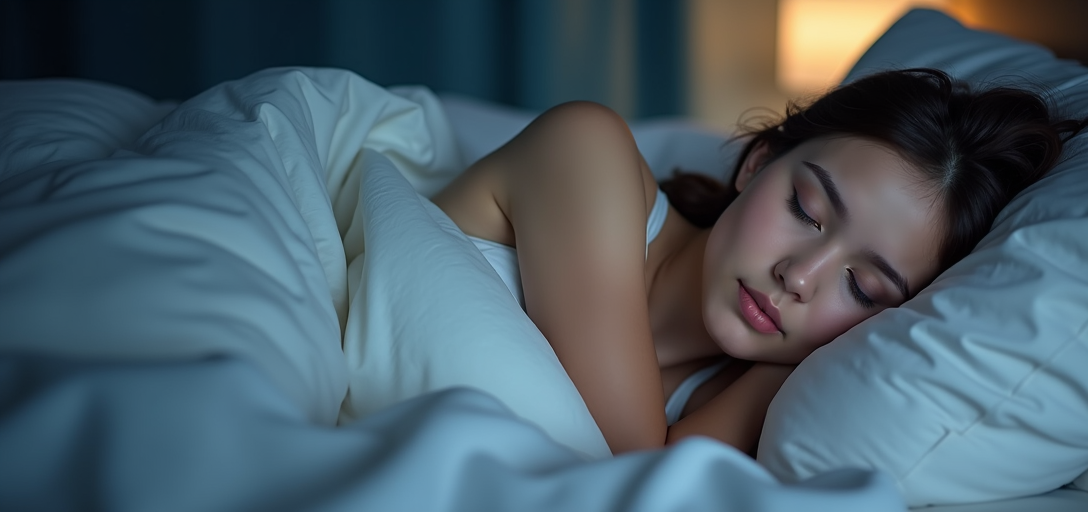
Understanding Anxiety and Sleep Challenges
Anxiety and sleep are intricately connected, often creating a vicious cycle that can leave one feeling exhausted and overwhelmed. In the United States, an estimated 40 million adults are affected by anxiety disorders each year, according to the Anxiety and Depression Association of America. When it comes to sleep, over 50 million Americans experience sleep-related issues.
Understanding this link between anxiety and sleep is crucial. Anxiety can lead to heightened arousal and restlessness, making it difficult to unwind at bedtime. Similarly, insufficient sleep exacerbates anxiety symptoms, leading to a pattern that's hard to break.
Why Anxiety Disrupts Sleep
When the mind is anxious, it's hard to shut off the "fight or flight" response, which is designed to protect us in danger but becomes problematic when persistent. This response increases heart rate, blood pressure, and alertness, all of which impede the natural transition to sleep.
Symptoms of Anxiety-Related Sleep Problems
- Difficulty falling asleep despite being tired.
- Frequent awakenings during the night.
- Waking up too early and unable to return to sleep.
- Experiencing restless or non-restorative sleep.
Effective Strategies to Fall Asleep With Anxiety
While the challenge can be daunting, adopting certain strategies can help alleviate anxiety symptoms and promote better sleep.
Create a Relaxing Sleep Environment
An ideal sleep environment can significantly impact your ability to fall asleep. Consider:
- Keeping the bedroom quiet, cool, and dark.
- Using earplugs or white noise machines to block noise.
- Investing in a comfortable mattress and pillows.
Research from the National Sleep Foundation suggests that optimizing your environment can enhance sleep quality remarkably.
Develop a Bedtime Routine
A consistent routine signals your brain that it's time to wind down. Ideas include:
- Reading a book (avoid screens as the blue light can interfere with sleep).
- Practicing light stretching or yoga.
- Engaging in mindfulness or meditation exercises.
According to a 2026 study published in the Journal of Sleep Research, individuals who practiced a regular bedtime routine fell asleep faster and reported lower anxiety levels.
Engage in Relaxation Techniques
Relaxation techniques can reduce physical tension and quiet the mind. Popular techniques include:
- Deep Breathing: Focus on slow, deep breaths, inhaling through the nose and exhaling through the mouth.
- Progressive Muscle Relaxation: Tense and relax different muscle groups, starting from the toes and moving upwards.
- Visualization: Imagine a peaceful scene or experience, immersing all senses in the imagery.
Diet and Lifestyle Adjustments
What you eat and how you live can play a role in managing anxiety and sleep patterns.
Avoid Stimulants
Limiting intake of caffeine, nicotine, and other stimulants, especially in the afternoon and evening, can prevent heightened alertness.
A 2026 survey by the American Sleep Association found that reducing caffeine intake improved sleep onset for 60% of participants.
Incorporate Regular Physical Activity
Exercise releases endorphins and reduces stress hormones. Engaging in physical activity during the day can significantly enhance sleep quality.
Experts recommend at least 150 minutes of moderate exercise each week, which has been associated with improved sleep patterns and reduced anxiety incidents.
When to Seek Professional Help
If anxiety and sleep disturbances persist despite trying these strategies, consider seeking professional help. Cognitive-behavioral therapy for insomnia (CBT-I) is a common approach that has proven effective. In some cases, therapy or medication under professional guidance can provide relief.
The importance of consulting a healthcare professional cannot be overstated, as they can tailor interventions to your individual needs, enhancing both physical and mental health outcomes.
Conclusion
Falling asleep with anxiety is a common challenge, but with awareness and targeted strategies, better sleep is achievable. From creating a soothing sleep environment to making lifestyle changes, these proactive steps can vastly improve rest and reduce anxiety.
Remember, developing healthier sleep habits is a process, and giving yourself grace is part of the journey. For further assistance, visiting resources such as Sleep Foundation, Anxiety and Depression Association of America, and other mental health services can provide valuable support.