Practical Tips for Ensuring Your Livestock Stays Hydrated During Summer
Learn practical tips to keep your livestock hydrated this summer. Discover how adequate water access can promote health without guaranteeing specific results. This article explores various methods to ensure your animals stay wellhydrated, even during the hottest months.
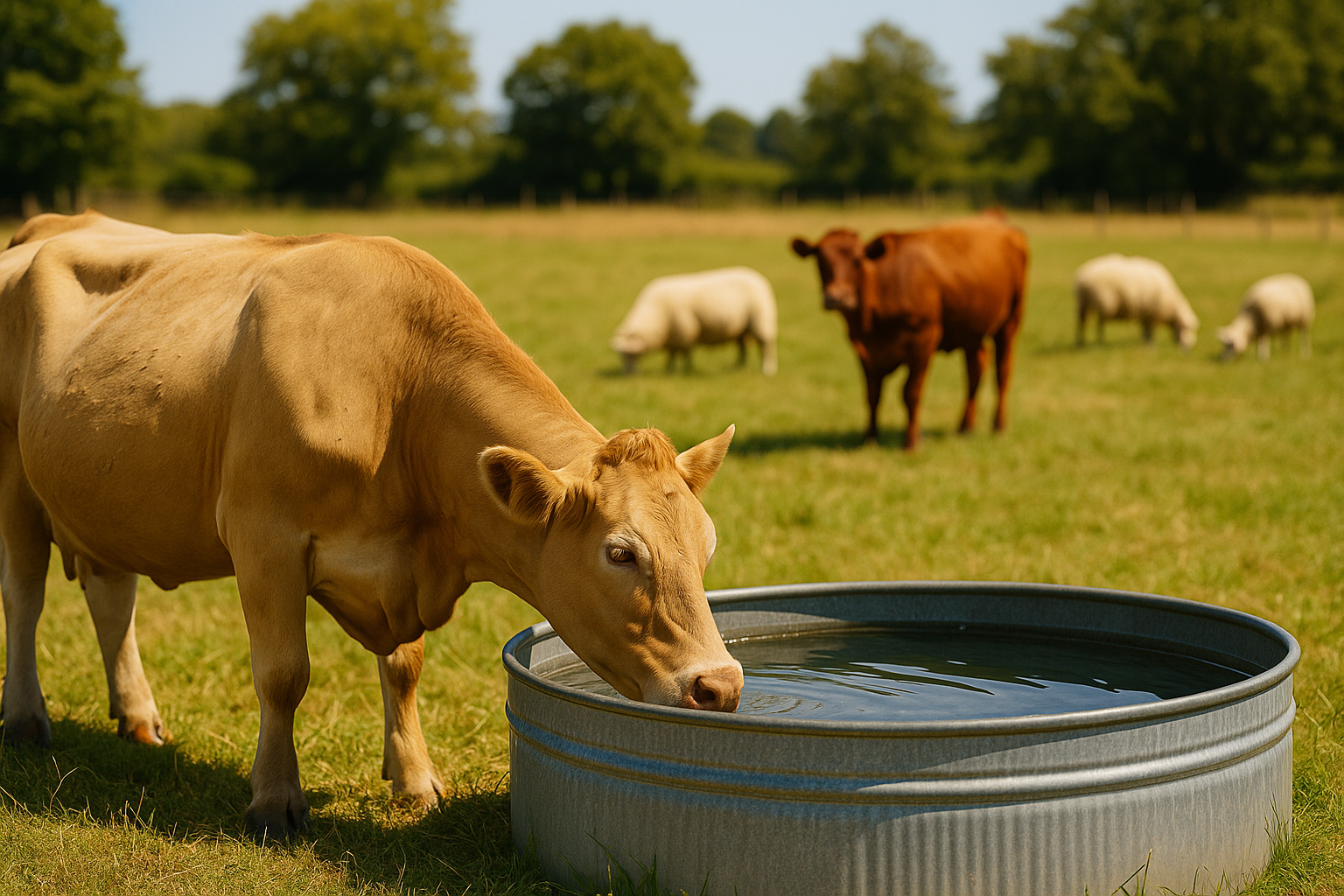
Understanding Livestock Hydration Needs
Keeping livestock hydrated, especially during the summer months, is crucial for their health, productivity, and welfare. Water is essential for maintaining normal bodily functions, including temperature regulation, digestion, and nutrient absorption. Without an adequate supply of clean, fresh water, livestock can quickly become dehydrated, leading to serious health issues and decreased productivity.
The amount of water livestock need varies by species, size, age, and environmental conditions. As a general guideline, adult cattle may require 75 to 100 liters of water per day, while sheep typically need 4 to 6 liters. These numbers can increase dramatically during hotter weather or when animals are lactating or growing.
Key Factors Affecting Water Intake
- Temperature: Higher temperatures increase water requirements as animals need more water to cool their bodies.
- Diet: High-protein or high-fiber diets increase water needs, as do dry feed sources like hay and grains.
- Activity Level: More active animals, such as those foraging extensively or those in high production phases, need more water.
- Health Status: Sick animals, particularly those with diarrhea or fever, will have increased water requirements.
Best Practices for Providing Water to Livestock
Ensuring livestock have access to clean, fresh water at all times is critical. Here are some strategies to help you achieve optimal hydration for your animals:
Infrastructure and Maintenance
- Water Troughs: Inspect troughs regularly for cleanliness and functionality. Algae and debris can contaminate water supplies, so cleaning regularly is essential.
- Piping and Accessibility: Ensure that water delivery systems are intact, with no leaks, and that water is easily accessible to all animals.
- Shade and Location: Position water sources in shaded areas to keep the water cool and encourage intake. Proximity to feeding areas without overcrowding helps prevent contamination and allows easy access.
Monitoring and Management
Regular monitoring of water intake can help identify issues early. Invest in automated water systems that measure intake to adjust supplies as needed. Anomalies in water consumption may indicate health problems or deficiencies in the water supply.
In regions susceptible to drought or water restrictions, developing a contingency plan is essential. Secure additional storage or alternative sources like ponds or rainwater collection systems.
Technological Innovations in Livestock Hydration
Technology plays a valuable role in ensuring livestock remain hydrated. Some recent advancements include:
Smart Watering Systems
Smart systems use sensors to monitor water levels and quality, ensuring constant supply and early detection of issues. These systems can be integrated with mobile apps, providing real-time data and alerts to farmers.
Water Quality Testing
Portable water testing kits help monitor pH levels, salinity, and contaminants, ensuring the water provided is safe for consumption. Ensuring water quality is crucial, as contaminated water can lead to disease outbreaks.
Impacts of Hydration on Livestock Health and Productivity
Adequate hydration impacts overall livestock health, affecting growth rates, milk production, and reproductive efficiency.
Health Benefits
Proper hydration helps prevent urolithiasis (urinary tract stones), dehydration, and heat stress. It supports metabolic processes essential for maintenance and growth. For dairy cattle, hydration influences milk yield and quality.
Economic Implications
Well-hydrated livestock are more productive, leading to better economic returns. Healthy animals require fewer veterinary interventions, and their increased performance translates into higher yields and revenue.
Real-World Examples and Case Studies
Across the globe, successful livestock operations prioritize water management. In regions like Australia and the southwestern United States, farmers are adopting solar-powered pumps to access deep groundwater, providing sustainable hydration solutions during prolonged droughts.
A 2026 study by the Iowa State University Extension and Outreach highlighted farms that implemented smart hydration solutions, noting a 20% increase in livestock production rates due to improved water management (source: Iowa State University Extension and Outreach).
Conclusion
Keeping your livestock hydrated during the summer is not only a best practice—it is a necessity. The benefits associated with proper hydration are well-documented, impacting animal health, productivity, and profitability. By leveraging modern technologies, maintaining infrastructure, and adhering to best practices, farmers can effectively manage hydration and ensure the wellbeing of their livestock.
Remember, a consistent and adequate water supply is the cornerstone of successful livestock management, ensuring healthy, productive animals that contribute to a sustainable farming operation.