Practical Tips to Lower Your Electricity Bill by Unplugging Devices
Discover how to reduce electricity bill by unplugging devices you rarely use. This simple action can lead to noticeable savings on your monthly expenses. Learn effective strategies to minimize energy consumption while maintaining comfort and convenience in your home.
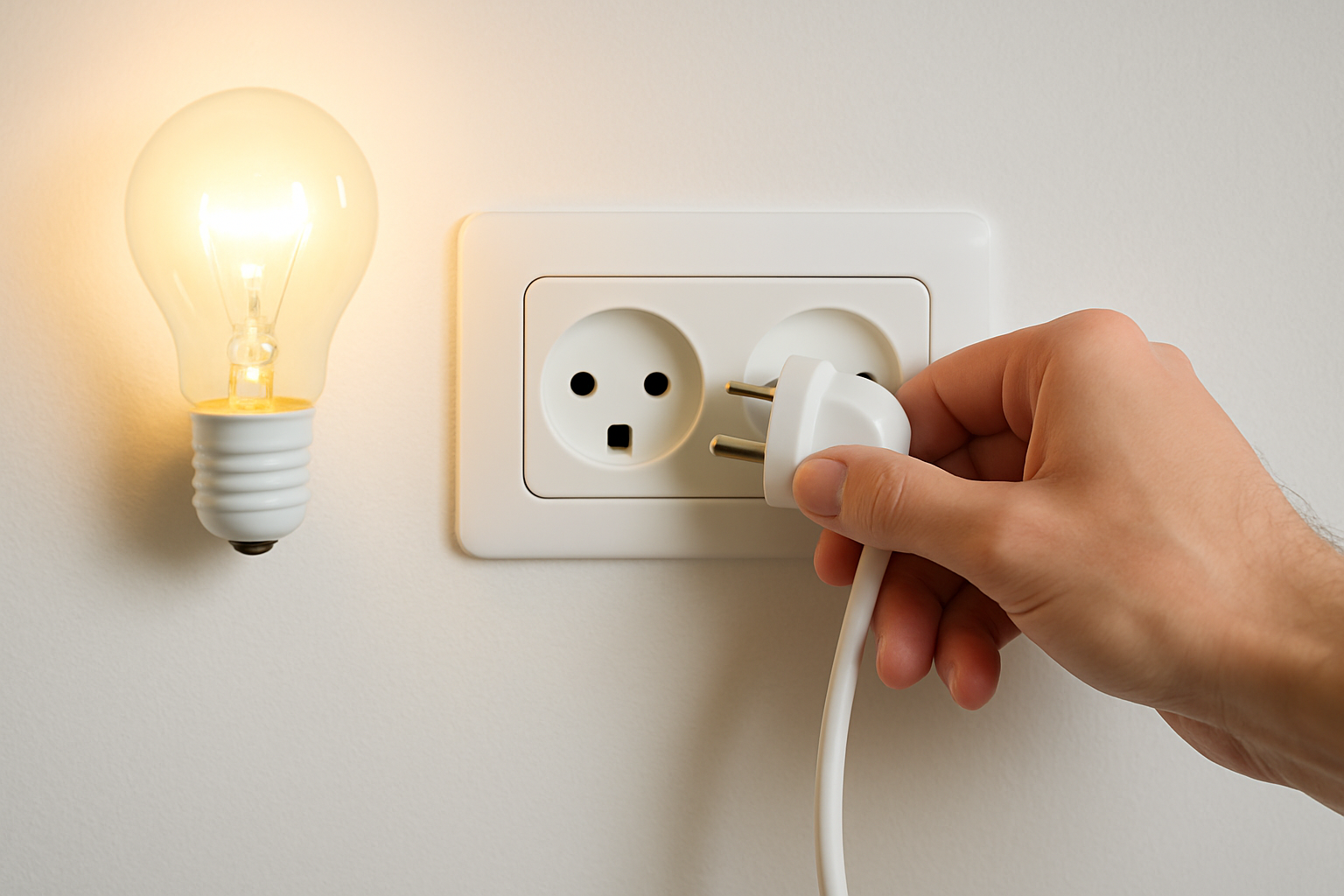
Understanding the Cost of Standby Power
As consumers become increasingly conscious of their energy use, one of the topics gaining traction is the cost of standby power, or "vampire power." This is the energy consumed by electrical devices when they are turned off or in standby mode but remain plugged in. According to a recent report by the International Energy Agency, standby consumption worldwide accounts for about 7-10% of total residential electricity use (source: IEA). Recognizing and mitigating this consumption can result in notable savings on your electricity bill.
How Devices Consume Energy When Unplugged
Devices that contribute heavily to standby power usage often include electronics with digital displays, remote controls, or continuous charging features. Televisions, game consoles, and computers are common culprits. The Lawrence Berkeley National Laboratory's study in 2026 found that the average home contains about 40 devices constantly drawing power (source: Lawrence Berkeley National Lab).
Devices with internal clocks, internet connections, or external power supplies also draw more power. For example, even when switched off, a game console may still partake in updates or downloads.
Specific Examples of Standby Power Consumption
- Televisions: Modern LEDs consume about 3 watts, even in standby mode.
- Microwaves: When not in use, can still draw about 3-4 watts to power the digital clock display.
- Routers: Internet routers can draw about 6 watts continuously, regardless of active device connections.
Calculating Potential Savings
Understanding the financial impact of unplugging devices requires some calculation based on local electricity rates. On average, household rates in 2026 hover around $0.13 per kWh in the United States (source: Energy Information Administration). By unplugging just 10 devices drawing an average of 5 watts each, consumers could save approximately $44 annually. Here's the breakdown:
- Total standby power: 10 devices × 5 watts = 50 watts = 0.05 kW
- Hourly standby consumption: 0.05 kW × 24 hours = 1.2 kWh/day
- Yearly consumption: 1.2 kWh/day × 365 days = 438 kWh/year
- Annual cost: 438 kWh/year × $0.13/kWh = $56.94/year
Effective Strategies to Reduce Standby Power Use
Unplugging Devices
The most straightforward method is to unplug devices when they are not in use. While this can be inconvenient, focusing on high-consumption devices like chargers—devices such as phones continue to draw power—can yield significant savings.
Use Power Strips
Smart or advanced power strips can ease the process of unplugging by cutting off power to multiple devices at once when they are not in use. Some even offer timed or remote-control functions.
Technology Upgrades
Invest in more energy-efficient models of appliances. Devices with an Energy Star rating typically have lower standby power requirements. Keep an eye out for this when purchasing new electronics.
Impact on the Environment
Reducing standby power not only reduces costs but also has environmental benefits by decreasing demand on power plants, subsequently lowering carbon emissions. According to the U.S. Environmental Protection Agency, reducing standby power usage by just 1% could save enough electricity to power all homes in Chicago for one year (source: EPA).
Conclusion
While unplugging devices requires some routine changes, the financial and environmental benefits are substantial. By understanding which devices consume power in standby mode and adopting effective energy-saving strategies, you can significantly reduce your electricity bill while contributing positively to the environment.