Prevent Costly Repairs: Address Small Roof Leaks Before Winter
Discover the benefits of addressing small roof leaks before winter sets in. Homeowners often choose to fix these small roof leaks to prevent potential damage from worsening during colder months.
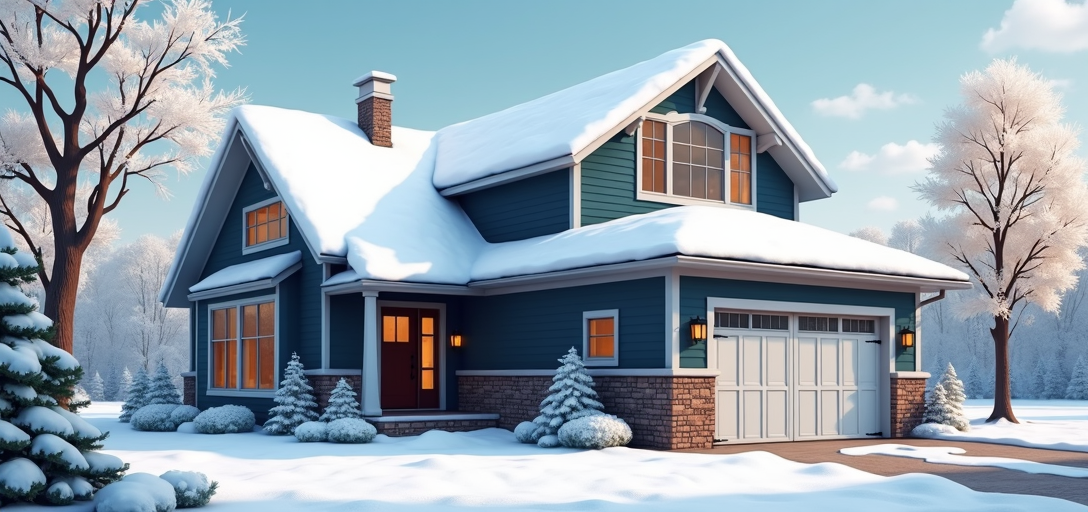
Understanding the Importance of Addressing Roof Leaks
As a homeowner, it’s crucial to maintain the integrity of your roof. Small leaks may seem minor, but they can lead to significant damage if not addressed promptly, particularly before the harsh winter months set in. Ignoring these issues can result in more expensive repairs and potentially compromise the safety of your home.
What Causes Roof Leaks?
Several factors contribute to roof leaks. Common causes include:
- Weather Damage: Severe weather conditions, such as storms or heavy snowfall, can damage shingles, leading to leaks.
- Wear and Tear: Over time, roof materials degrade, especially if the roof is near or past its expected lifespan.
- Improper Installation: Poor roofing practices or low-quality materials can lead to premature leaks and damage.
- Blocked Gutters: Debris in gutters can prevent proper drainage, causing water to accumulate and seep into the roof structure.
Potential Risks of Ignoring Small Roof Leaks
Overlooking minor roof leaks can escalate into considerable risks:
- Structural Damage: Persistent leaks can weaken the structural integrity of your home, affecting beams, ceilings, and walls.
- Mold and Mildew Growth: Moist environments foster mold and mildew, which can lead to health problems and further damage building materials.
- Increased Energy Costs: Leaks allow cold air in and warm air out, forcing your heating system to work harder, thus increasing energy bills.
Real-Life Example of Ignored Leaks
Consider the case of a homeowner in Colorado who neglected a small leak. The seemingly minor issue snowballed into a massive repair involving mold remediation costing over $15,000. This illustrates the potential cost of untreated leaks.
Why Fix Roof Leaks Before Winter?
Tackling roof leaks before winter is essential due to several reasons:
Prevention of Further Damage
The freeze-thaw cycle common during winter can widen gaps and exacerbate existing leaks. By repairing leaks before winter, you can mitigate the risk of further damage and avoid higher repair costs.
Improved Home Comfort and Safety
Ensuring your roof is watertight keeps your home warm and comfortable while protecting you and your loved ones from potential health hazards associated with mold.
Financial Benefits
Early repairs are usually less costly compared to addressing extensive damage. Additionally, maintaining your roof can extend its life, delaying the need for complete roof replacement.
Steps to Identify and Fix Roof Leaks
DIY Inspection Tips
Regular inspections can help catch leaks early. Here's how you can conduct a basic inspection:
- Inspect the attic for water stains or dampness.
- Check ceilings and walls inside your home for discoloration or bubbling paint.
- Examine the roof for missing, curled, or cracked shingles.
- Look for piles of granules on the ground near downspout splash blocks.
Professional Roof Inspection
While DIY checks are useful, hiring a professional provides a more thorough inspection. Professional roofers use advanced techniques and tools to pinpoint hard-to-detect leaks and structural issues.
Repair Options
Once a leak is identified, immediate repairs can range from simple fixes to more complex solutions:
- Sealant Application: For minor gaps in flashing or around vents.
- Shingle Replacement: When damage is localized to a few shingles.
- Flashing Repair: Replacing or refreshing metal flashing around chimneys, skylights, and vent pipes.
Conclusion: Staying Ahead of Roof Leaks
Addressing small roof leaks before winter is an essential task for homeowners in the US. It ensures your home remains safe, comfortable, and energy efficient during the colder months. By understanding the causes, risks, and solutions related to roof leaks, you can make informed decisions and take proactive steps in maintaining your home.
For more information on roof maintenance and repair, consider visiting resources such as the National Roofing Contractors Association or consulting with local roofing professionals.