Protect Your Investment: Understanding Mobile Home Insurance with Liability Coverage
Explore the essentials of mobile home insurance with liability coverage. Understand how including liability coverage in your mobile home insurance policy can offer you peace of mind by protecting against unexpected incidents.
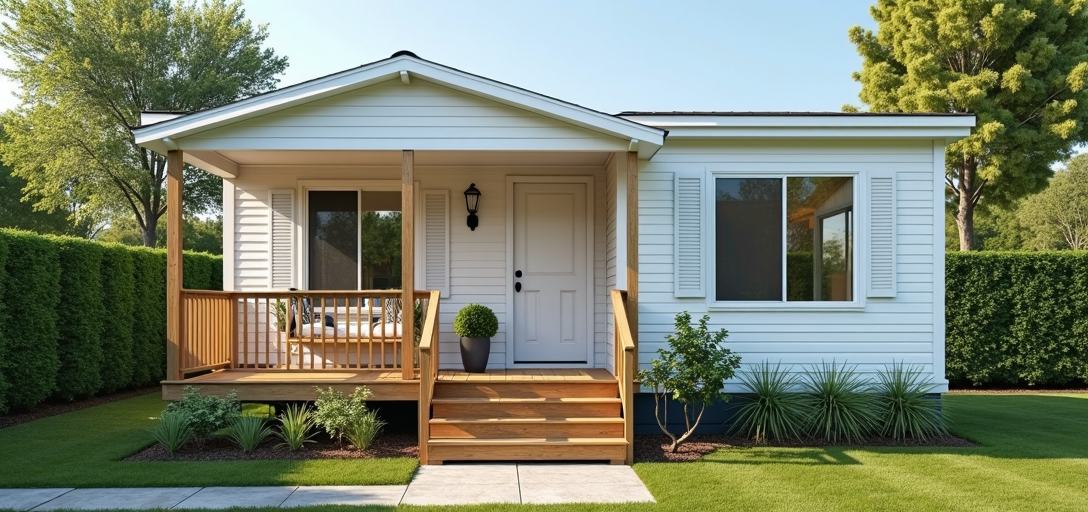
Understanding Mobile Home Insurance
Mobile home insurance is a pivotal financial safeguard for those owning or living in mobile homes (also known as manufactured homes). This type of insurance provides a safety net similar to traditional homeowners insurance, designed specifically for the unique aspects of mobile homes.
Manufactured homes can be susceptible to risks such as theft, fire, and severe weather conditions. Knowing what your insurance covers—and what it doesn’t—can illuminate your path to better protection. Let's delve into the specifics of mobile home insurance and its crucial component: liability coverage.
What Is Liability Coverage?
Liability coverage is a fundamental component of mobile home insurance. It serves to protect you financially in the event you are found legally responsible for an accident that results in injury to others or property damage.
For example, if a visitor trips over an uneven floor mat in your mobile home and sustains an injury, liability coverage may help cover legal fees and medical expenses.
Importance of Liability Coverage in Mobile Home Insurance
Financial Protection from Lawsuits
Lawsuits can be financially devastating. Liability coverage is essential as it helps shield you from these substantial costs, which could otherwise compromise your financial stability.
Coverage for Accidental Damage
Accidental damage isn’t uncommon, and liability insurance steps in to cover situations where your actions inadvertently harm others. This can include anything from accidentally damaging a neighbor’s property lawn due to an errant ride-on mower to unintentionally causing water damage through a ruptured water installation.
Peace of Mind
Owning a home—mobile or otherwise—should be an endeavor that’s enjoyed without constant worry over financial liability. Insurance can provide a safety net that grants peace of mind against potential law suits or claims.
Key Considerations When Choosing Mobile Home Insurance
Understand the Coverage Limits
It's essential to know your policy’s limits – the maximum amount your insurance will pay. Typically, liability coverage limits can start at $100,000. However, considering today’s climate of high legal and medical costs, many experts recommend opting for higher limits, potentially up to $500,000 or more.
Assess Additional Coverage Options
- Personal Property Coverage: Protects against losses involving your personal belongings. Evaluate the value of your items to ensure adequate coverage.
- Replacement Cost vs. Actual Cash Value: Replacement cost coverage means your claims will be paid without depreciation, whereas actual cash value deducts depreciation, potentially leaving you with out-of-pocket expenses.
- Additional Structures Coverage: If your mobile home includes external structures, such as sheds or decks, ensure they are covered by your policy.
Factors Influencing Insurance Premiums
Be mindful that insurance premiums can vary according to several factors, such as the age and condition of your mobile home, its location, and your personal claims history. In high-risk areas prone to natural disasters, premiums may be higher.
Current Trends and Changes in Mobile Home Insurance (2026)
As of 2026, the landscape of mobile home insurance continues to evolve alongside changing risks and consumer demands. Here are some noteworthy trends:
Increased Demand for Tailored Coverage
Policyholders now seek insurance products that can be tailored to their specific needs. Insurance companies are responding with more customizable options to ensure comprehensive protection without unnecessary coverage.[1]
Adoption of Technology
Smart home technology is gaining traction even in the mobile home market. Devices that monitor structural changes and interior environments can now be integrated into insurance packages, potentially lowering premiums by reducing risk.[2]
Emphasis on Climate Resilience
Climate change impacts have prompted insurers to factor environmental resilience into premium calculations. Homes located in areas prone to hurricanes or wildfires might see higher premiums, although additional coverage options for these risks are expanding.[3]
Conclusion: Navigating Mobile Home Insurance with Confidence
Understanding the intricacies of mobile home insurance and its liability coverage is crucial for protecting your investment in a manufactured home. From choosing the right coverage limits to staying informed on emerging trends, a proactive approach to insurance will help secure your home against uncertainties.
Seeking guidance from a knowledgeable insurance agent can also offer personalized insights and help tailor a policy that precisely fits your unique living situation.