Proven Strategies to Legally Minimize Employer Payroll Tax Liability
Discover practical strategies to potentially lower your employer payroll tax liability. This article explores various methods to manage costs effectively while remaining compliant with regulations.
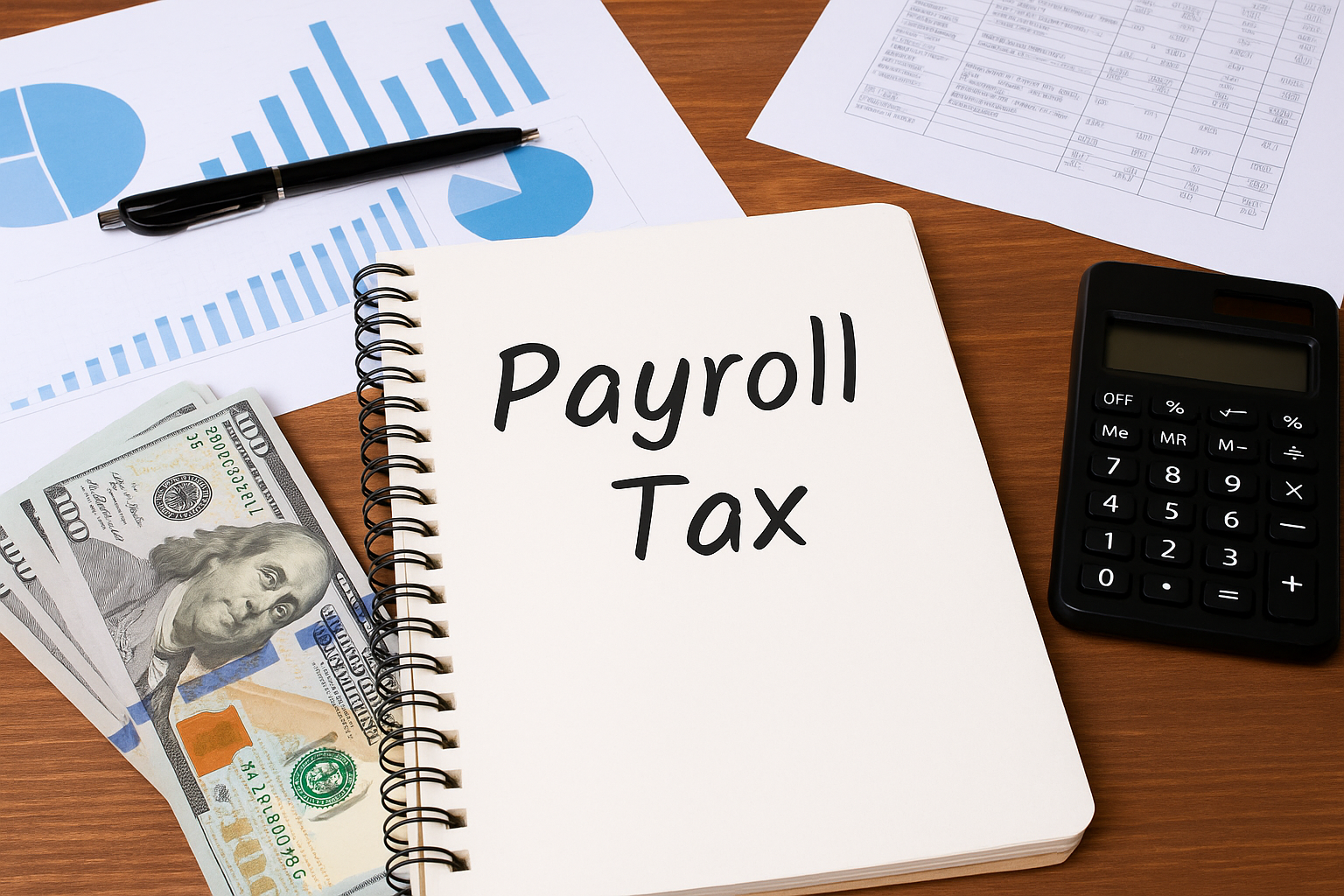
Understanding Employer Payroll Tax Liability
When managing a business, understanding and effectively managing payroll tax liability is crucial. Payroll taxes can significantly impact cash flow, and high liabilities may constrain a company's ability to invest in growth. As an employer, knowing how to reduce payroll tax liability can help improve your financial standing while also ensuring compliance with tax laws.
What Are Payroll Taxes?
Payroll taxes are taxes imposed on employers and employees, usually calculated as a percentage of the salaries that employers pay their staff. These taxes are used to fund various government programs, including Social Security, Medicare, and unemployment insurance. It's critical for businesses to accurately calculate, withhold, and remit these taxes to avoid penalties.
- Social Security Tax: This tax funds retirement, disability, and survivorship benefits. For 2026, both employers and employees typically contribute 6.2% of wages up to $160,200.
- Medicare Tax: Used to fund healthcare for individuals over the age of 65, this tax is set at 1.45% for both employers and employees. Additional Medicare rates (0.9%) apply to high-income earners.
- Federal Unemployment Tax: This helps fund unemployment benefits. Employers pay this tax at a rate of 6% on the first $7,000 of wages per employee, although reductions can apply.
Strategies to Reduce Payroll Tax Liability
Reducing payroll tax liability is not about evasion but rather utilizing legal strategies to optimize your company’s financial health.
1. Classify Employees Correctly
The distinction between independent contractors and employees is significant. Misclassification can result in owing back taxes, penalties, and interest. Contractors generally manage their own taxes, offering employers potential payroll tax savings. Ensure that you meet the IRS guidelines when classifying workers. A rule of thumb is that contractors control their work details, while employees do not.
2. Leverage Tax Credits
Various tax credits can reduce your overall tax liability. For instance, the Work Opportunity Tax Credit (WOTC) benefits employers who hire individuals from certain groups that face employment challenges, such as veterans or individuals receiving government assistance. Stay informed about available credits and consider incorporating them into your hiring strategy.
3. Implement an Accountable Plan
An accountable plan allows reimbursement for employees' business-related expenses without these being subject to payroll taxes. These reimbursements must be for legitimate business expenses and properly documented. For instance, travel expenses covered under an accountable plan do not contribute to taxable income, thus reducing payroll tax obligations.
4. Optimize Compensation Structures
Structuring employee compensation to include more non-cash benefits can reduce payroll tax liability. For example, contributions to retirement savings plans (e.g., 401(k) plans) are not subject to payroll taxes. Providing certain fringe benefits, like health insurance or tuition reimbursement, can also lower taxable income.
5. Use Payroll Management Software
Employing robust payroll management software can improve accuracy in tax filings and flag potential areas for tax savings. These systems often include tools for monitoring tax compliance and generating reports that can be used to strategize payroll tax reductions.
Real-World Examples and Data
Employers leveraging these strategies have realized significant savings. For example, a 2026 study by the National Small Business Association found that small businesses using tax credit programs, like the WOTC, saved an average of $9,600 per eligible employee. Similarly, businesses adopting accountable plans saw reductions in payroll tax liabilities averaging 3.5% of total payroll costs.
Case Study: TechStartup Inc.
TechStartup Inc., a midsize software firm, successfully reduced its payroll tax liabilities by re-evaluating its compensation structure. By increasing contributions to employee Health Savings Accounts (HSAs) and retirement plans, their taxable payroll basis decreased, resulting in an annual tax saving of approximately $45,000.
Staying Compliant
While reducing payroll tax liability is beneficial, compliance with IRS regulations is paramount. Employers should conduct regular audits of their payroll processes, maintain up-to-date knowledge of tax laws, and consult with tax professionals if necessary. The IRS website provides resources and guidelines helpful for understanding current payroll tax regulations.
Consider checking the Society for Human Resource Management (SHRM) for insights and updates on managing payroll taxes effectively as part of overall human resource strategies.
In summary, while payroll taxes are an unavoidable aspect of business operations, strategic planning and informed decision-making can significantly alleviate their impact on your company's finances. By utilizing accurate classification, taking advantage of tax credits, optimizing compensation, implementing accountable plans, and using modern payroll management tools, you can effectively reduce your employer payroll tax liability while staying well within regulatory frameworks.