Realistic Tips and Strategies for Living with Stage 4 Kidney Disease
Explore our comprehensive guide to living with stage 4 kidney disease. Discover practical tips for managing symptoms, improving quality of life, and understanding treatment options.
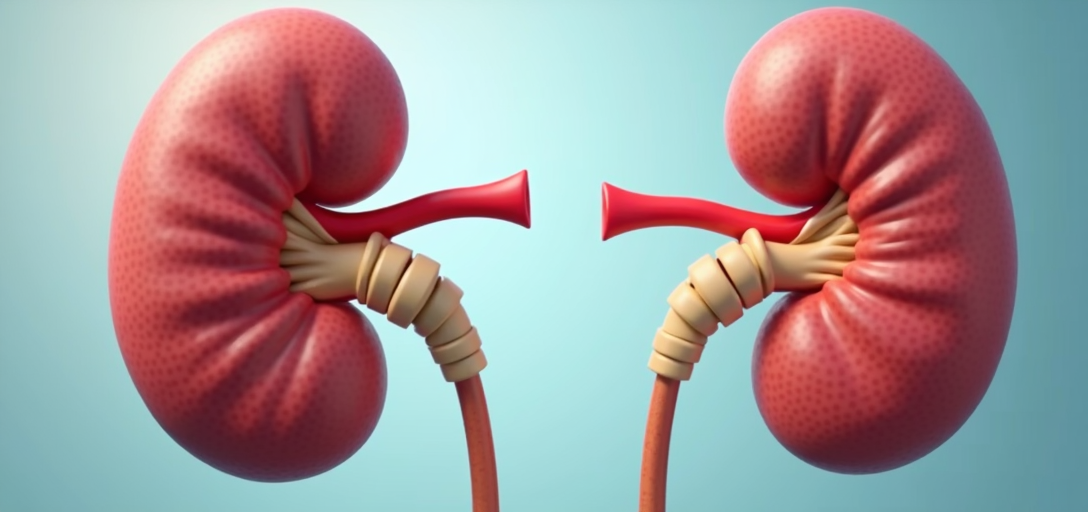
Understanding Stage 4 Kidney Disease
Stage 4 kidney disease is a critical condition that requires careful management and understanding. It occurs when the kidneys are severely damaged, leading to a significant decrease in their ability to filter waste from the blood. According to the National Institute of Diabetes and Digestive and Kidney Diseases, stage 4 is characterized by a glomerular filtration rate (GFR) of 15–29 mL/min, indicating severe kidney damage.
Common Symptoms
As kidney function declines, various symptoms may arise, including:
- Fatigue and weakness due to decreased red blood cells (anemia).
- Swelling in hands, feet, or ankles resulting from water retention.
- Changes in urination frequency and appearance.
- Nausea or vomiting, often caused by the buildup of toxins in the blood.
- Difficulty concentrating or a feeling of cloudiness in the mind.
Living with Stage 4 Kidney Disease
Managing stage 4 kidney disease involves a combination of lifestyle adjustments, medication, and regular consultations with healthcare providers. Early intervention and symptom management can improve quality of life and delay further progression.
Medical Management and Treatment Options
Upon reaching stage 4, it is essential to work closely with a nephrologist to tailor a suitable treatment plan. This plan may include:
- Medication Management: Medicines to control blood pressure, manage diabetes, and address anemia are often prescribed.
- Potential Dialysis: Doctors may discuss initiating dialysis preparation if kidney function continues to decline.
- Nutrition and Diet Adjustments: A renal dietitian can help design a meal plan low in sodium, phosphorus, and potassium, essential for maintaining kidney health.
Importance of Regular Monitoring
Regular monitoring of kidney function is crucial. Patients need to routinely check their GFR levels and other associated markers to assess disease progression and adjust treatment accordingly.
Coping with Emotional and Mental Health
The diagnosis of stage 4 kidney disease can be overwhelming, and it's essential to address the emotional and mental challenges it may bring. Support groups and counseling services can be invaluable resources.
Utilizing Support Networks
Many people find support in sharing their experiences with others facing similar challenges. Organizations such as the American Kidney Fund provide numerous programs designed to support patients and families.
Mental Health Resources
Guidance and emotional support from mental health professionals can equip individuals with strategies to manage stress, anxiety, and depression commonly associated with chronic illnesses.
Looking to the Future
While stage 4 kidney disease is serious, advancements in medical research and technology continue to provide hope and options for individuals living with this condition.
Emerging Treatments
Researchers are focusing on innovations such as wearable artificial kidneys and regenerative medicine, which may offer new treatment possibilities. As per a 2026 study published in the Journal of Nephrology Innovations, the development of bioengineered kidneys has shown promising results in preliminary trials.
The Role of Policy and Advocacy
Advocacy groups are actively working to ensure patient access to advanced treatment options and improved healthcare policies. The National Kidney Foundation continues to spearhead initiatives aimed at increasing federal funding for kidney research and patient support programs.
In conclusion, while living with stage 4 kidney disease presents significant challenges, access to comprehensive medical care, emotional support, and emerging treatment possibilities can empower patients to lead fulfilling lives. For further information, consider visiting resources such as National Kidney Foundation and NIDDK for the latest updates and support services.