Recognizing Symptoms of Low Oxygen Levels in COPD Patients
Struggling to know if your oxygen is low with COPD? It's crucial to recognize signs early to manage your health effectively. Symptoms like shortness of breath, confusion, and increasing fatigue may indicate low oxygen levels.
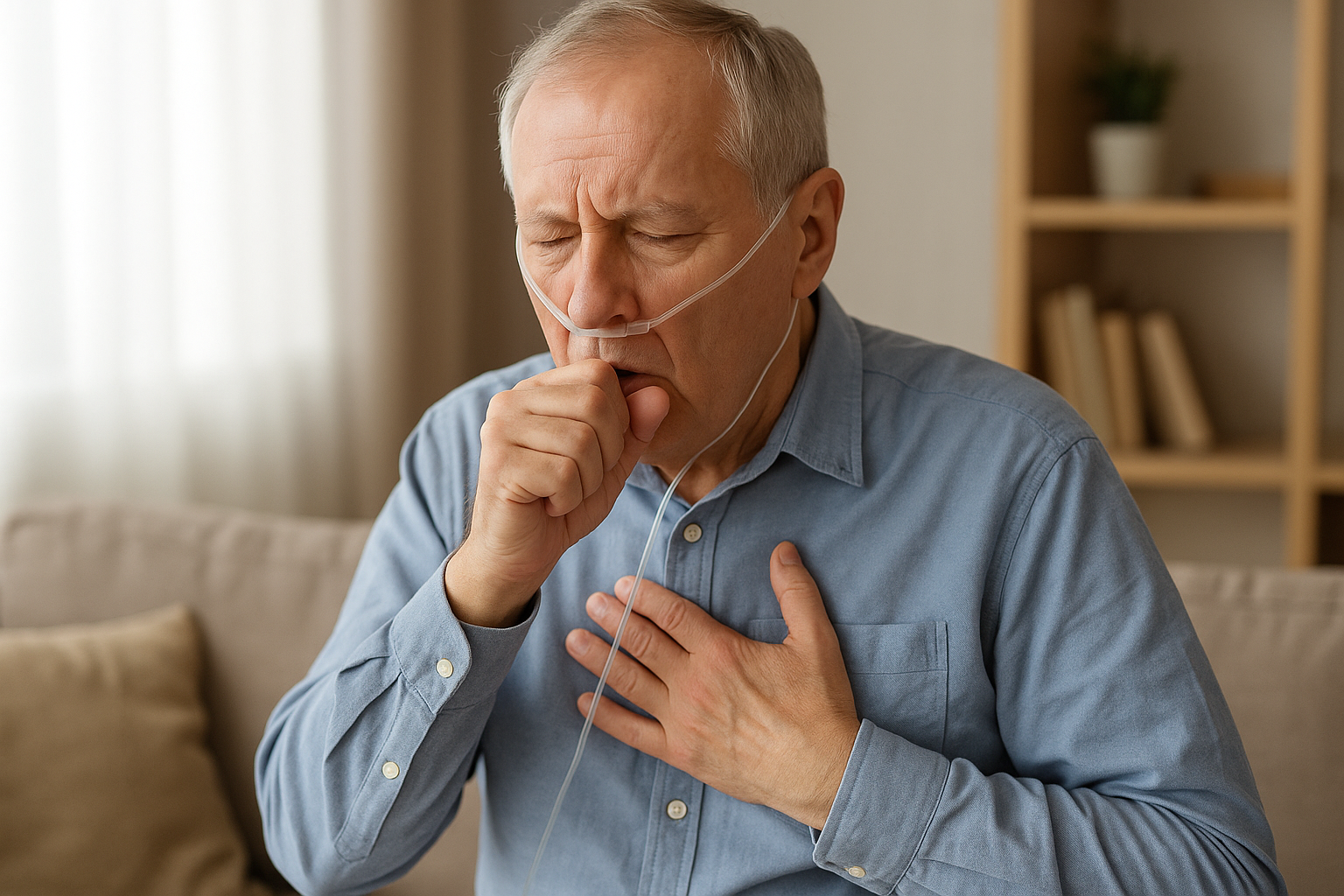
Understanding COPD and Oxygen Levels
Chronic Obstructive Pulmonary Disease (COPD) is a group of progressive lung diseases, including emphysema and chronic bronchitis, that restrict airflow and make breathing difficult. Monitoring oxygen levels is crucial for managing COPD effectively, as low oxygen levels can lead to severe complications. But how can you know if your oxygen is low when living with COPD?
What Causes Low Oxygen Levels in COPD?
Oxygen levels can drop in COPD patients due to the reduced ability of their lungs to take in oxygen and expel carbon dioxide. This is primarily due to damage caused to the air sacs (alveoli) and airway inflammation. Common causes include:
- Increased air sac destruction in emphysema.
- Excessive mucus production obstructing airways.
- Lung infections or exacerbations.
- Decreased lung elasticity.
Signs of Low Oxygen Levels
Recognizing the signs of low oxygen levels is critical. Symptoms of low oxygen, also known as hypoxemia, may vary in severity but often include:
- Shortness of breath even at rest.
- Rapid breathing (tachypnea).
- Chronic fatigue or exhaustion.
- Confusion or difficulty concentrating.
- Cyanosis: bluish tint in lips or fingernails.
- Increased heart rate.
Monitoring Your Oxygen Levels
Using an Oximeter
A pulse oximeter is a simple, non-invasive device that measures the oxygen saturation level in your blood, commonly known as SpO2 levels. It clips onto a finger and provides quick results, making it ideal for at-home monitoring. A normal SpO2 level for healthy individuals typically ranges from 95% to 100%, but for those with COPD, a level above 88% is generally considered acceptable.
Smart Devices for Health Monitoring
In 2026, advancements in wearable technology have improved how patients can monitor their health. Smartwatches with health-tracking features often include built-in oximetry sensors, allowing continuous SpO2 monitoring. These devices can alert users to critical drops in oxygen levels, providing reassurance and peace of mind. Modern smart devices can sync with health management apps to track trends and offer reports for healthcare consultations.
Steps to Take If Your Oxygen is Low
Immediate Actions
If an oximeter or smart device indicates that your oxygen level is low, take these immediate steps:
- Use supplemental oxygen if prescribed by your healthcare provider.
- Practice controlled breathing techniques to improve oxygen intake.
- Sit upright to maximize lung capacity and ease breathing.
- Contact a healthcare professional if corrective actions don’t improve your oxygen levels or if symptoms worsen.
Long-Term Management Strategies
Effective long-term management can help prevent low oxygen episodes. Consider the following strategies:
- Pulmonary Rehabilitation: This involves exercises, education, and support to improve lung function and overall health.
- Medication Adherence: Regularly take prescribed inhalers and medications to control symptoms.
- Lifestyle Modifications: Quit smoking, avoid pollutants, and eat a healthy diet to support lung health.
- Vaccinations: Stay updated on vaccines like the flu and pneumonia to reduce infection risks.
When to Seek Medical Attention
While minor fluctuations in oxygen levels might be manageable at home, severe or persistent low oxygen levels warrant medical attention. Seek immediate help if:
- SpO2 levels fall below 85%.
- Breathlessness continues or worsens despite using oxygen.
- Accompanying symptoms like chest pain or significant confusion occur.
Regular check-ups with your healthcare provider can also help adjust treatment plans to better manage your condition.
Recent Developments in COPD Management
Staying informed about the latest research and developments can offer new potential avenues for managing COPD. As of 2026, research highlights include:
- Stem Cell Research: Studies show promise in regenerating damaged lung tissue to improve lung function.
- Telemedicine: Increased access to remote consultations helps manage COPD effectively without the need for frequent in-person visits.
For more information on advancements, consult credible resources like the American Lung Association and the COPD Foundation.
Conclusion
Monitoring oxygen levels and understanding the implications of changes is vital for managing COPD. Utilizing the information and tools available ensures that you can take proactive steps in maintaining your health. Always consult healthcare professionals for personalized advice and management plans.